THE World Economic Forum (WEF) has identified escalating geo-economic confrontation as the foremost global risk for 2026, a development that threatens to destabilise international trade, supply chains and economic recovery.
This warning carries significant implications for vulnerable economies, including Zimbabwe, which remain deeply sensitive to shifts in the global economic landscape. According to WEF’s Global Risks Report 2026, the threat of geo-economic confrontation is far deeper than interstate conflict, extreme weather, societal polarisation, and misinformation and disinformation.
The report draws on the views of global leaders and experts and assesses risks over immediate, short- to medium-term, and long-term horizons.
The findings paint a grim outlook. Half of respondents expect the global environment to be “turbulent or stormy” over the next two years, an increase of 14 percentage points from last year. A further 40% expect conditions to be unsettled, while only 10% foresee stability or calm. Over the next decade, pessimism is expected to deepen, with 57% expecting a turbulent or stormy world.
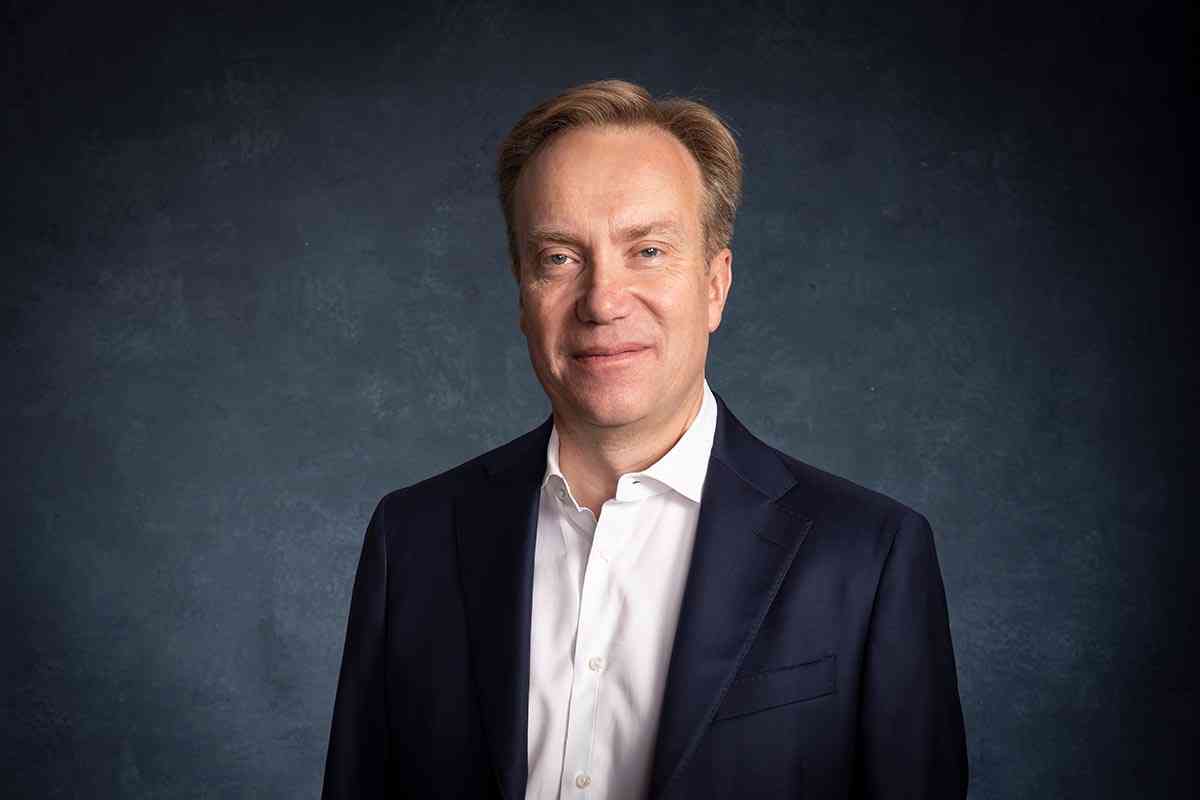
WEF president and chief executive Børge Brende said the global order was shifting as major powers increasingly compete for influence.
“A new competitive order is taking shape as major powers seek to secure their spheres of interest,” Brende said.
“This shifting landscape, where cooperation looks markedly different than it did yesterday, reflects a pragmatic reality: collaborative approaches and the spirit of dialogue remain essential.”
Geo-economic confrontation was cited by 18% of respondents as the risk most likely to trigger a global crisis in 2026. It also ranked first in severity over the next two years, jumping eight places from last year’s survey. State-based armed conflict ranked second for 2026, though it drops to fifth when assessed over a two year timeframe. The report warned that intensifying rivalry and prolonged conflicts threaten global supply chains and economic stability, while undermining cooperation needed to respond to shocks. Reflecting this shift, 68% of respondents expect the world to move towards a “multipolar or fragmented order” over the next decade.
- New perspectives: Investing in human capital to support structural transformation of Zimbabwe
- NPA, Zacc battle US$28m graft cases
- NPA, Zacc battle US$28m graft cases.
- South African rand dives after president cancels Davos trip over energy crisis
Keep Reading
Economic risks recorded the sharpest rise in the two year outlook. The risk of an economic downturn climbed eight positions to 11th place, while inflation risks also rose eight places to 21st. Concerns over asset bubbles increased sharply, rising seven places to 18th. The WEF cautioned that mounting debt and financial imbalances, combined with geopolitical tensions, could usher in a new period of volatility. Social and technological risks are also rising. Misinformation and disinformation ranked second in the two-year outlook, while cyber insecurity was sixth.
Risks linked to artificial intelligence showed the steepest long-term climb, rising from 30th over two years to fifth over the 10-year horizon, reflecting growing anxiety over impacts on jobs, societies and security.
Societal polarisation ranked fourth for 2026 and is expected to rise to third by 2028. — Staff Writer.