Zimbabwe’s central bank on Thursday mounted a strong defence of its tight monetary policy stance — widely blamed by industry for inflaming a liquidity squeeze — arguing the economy has remained robust under the current framework.
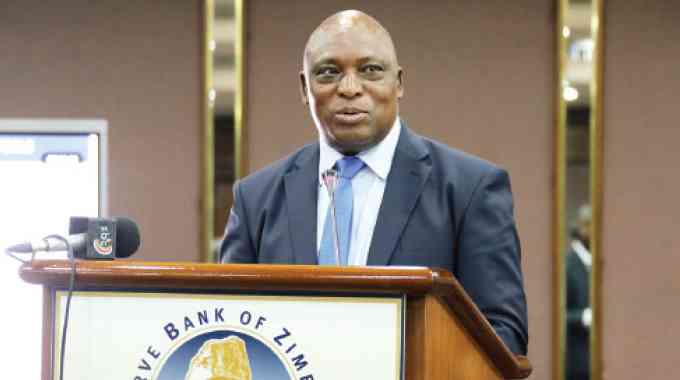
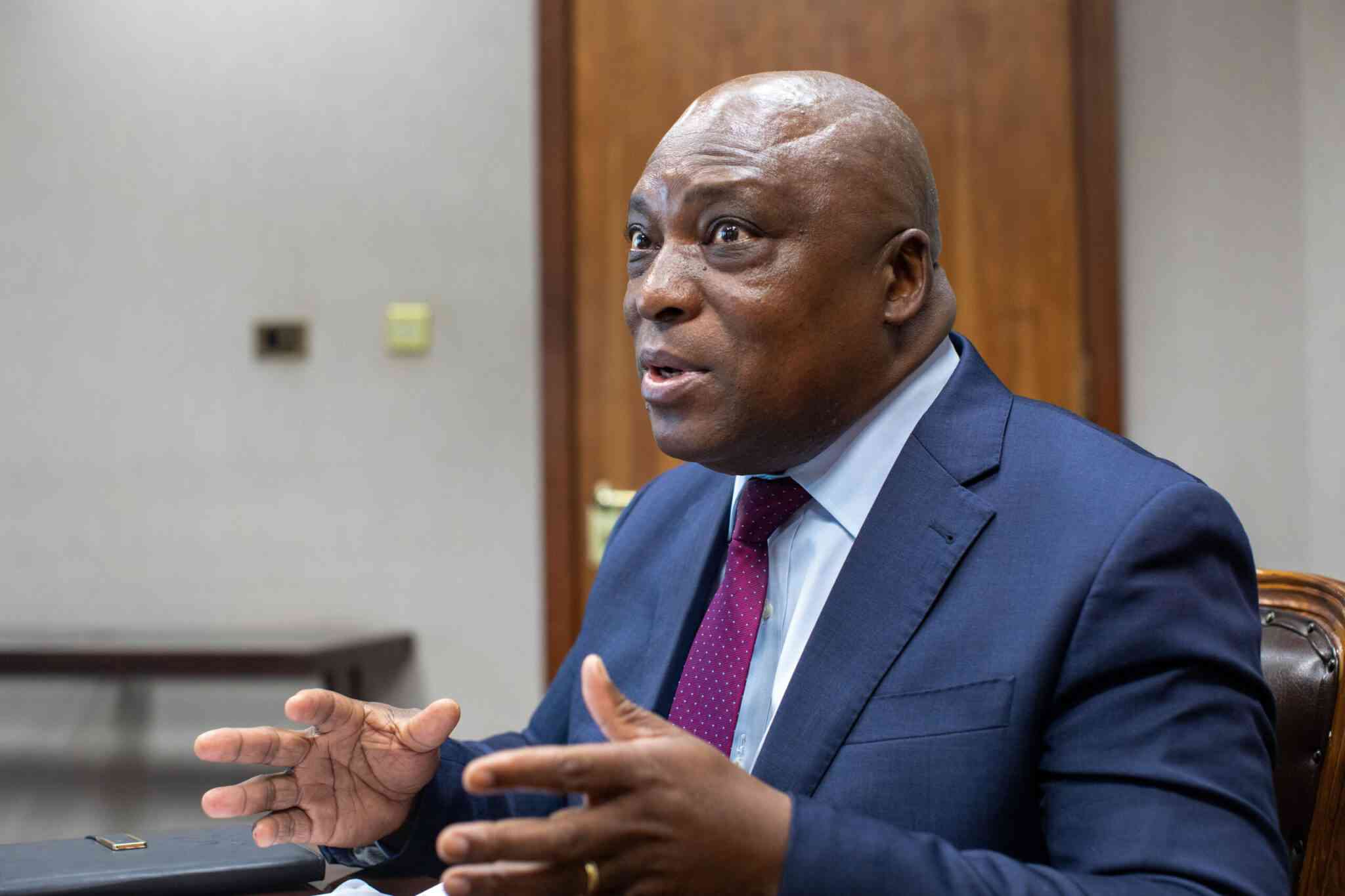
Speaking during an interface with industrialists, Reserve Bank of Zimbabwe (RBZ) governor John Mushayavanhu insisted the bank would maintain its aggressive policy stance, including a benchmark interest rate of 35% — one of Africa’s highest.
The meeting came a week after the central bank released its latest Monetary Policy Statement (MPS), in which it opted to maintain the policy rate unchanged, despite a groundswell of complaints from industry and financial markets.
However, Mushayavanhu rejected the argument that the central bank’s policies were responsible for the distress.
Instead, he argued that the current policy framework had stabilised the economy following years of monetary instability.
“When we started last year, we projected GDP growth of about 6%.
“Current data points to around 6,6%, and we believe the economy could grow above 8% or even 8,5%,” he said.
“These outcomes are happening under the same monetary policy framework that some are criticising.”
- Rampaging inflation hits Old Mutual . . . giant slips to $9 billion loss after tax
- Monetary measures spur exchange rate stability: RBZ
- Zim deploys IMF windfall to horticulture
- Banker demands $21m from land developer
Keep Reading
The governor said the central bank would only consider adjusting its stance after assessing economic conditions later this year.
“We will assess the situation this quarter, including developments in the global economy and geopolitical tensions, and then make an appropriate decision,” he said.
“If you remember, last year we said we would end the year with inflation around 10%. We ended up at about 15%,” Mushayavanhu added.
“But if we had promised something unrealistic, the market would not believe us. Whatever you say as a central bank must happen. That is how credibility is built.”
Corporate leaders argue the tight policy environment has choked liquidity in the financial system, triggering a string of corporate crises across several sectors.
Retailers, mining companies, manufacturers and telecommunications firms — including Truworths Zimbabwe, Metro Peech & Browne Wholesalers, Zimasco, Telecel Zimbabwe, and Khayah Cement — have recently entered corporate rescue as they struggle to manage debt obligations and falling liquidity.
Last week, the crisis claimed one of Zimbabwe’s most recognisable retail brands.
Directors of Zimbabwe Stock Exchange (ZSE)-listed OK Zimbabwe Limited voluntarily placed the retailer under corporate rescue.
Once considered a blue chip stock on the ZSE, OK Zimbabwe has been battered by severe financial pressures and weakening consumer demand. The development underscores the severity of stress facing companies operating under Zimbabwe’s tight monetary regime.
Zimbabwe introduced its new gold-backed currency, ZiG, in April 2024 as part of a broader monetary reform programme aimed at restoring confidence in the local currency after years of volatility.
Since then, the exchange rate has remained relatively stable against the US dollar, while inflation has slowed sharply from the triple digit levels recorded in previous years.
Mushayavanhu said the bank’s policies were working, pointing to stronger than expected economic growth. To cushion productive sectors from the impact of tight liquidity, the RBZ has expanded its Targeted Finance Facility — a funding programme aimed at supporting strategic industries.
The facility has been increased by US$600 million to US$1,2 billion, Mushayavanhu said, adding that the funds would support productive sectors of the economy. Despite complaints from businesses, the governor insisted that Zimbabwe was not facing a liquidity crisis.
“There is no liquidity crisis in this market,” Mushayavanhu said.
“Banks have been given liquidity limits that are higher than what they are currently using. In fact, some institutions are sitting on excess liquidity that has not been deployed.”
He argued that inflation control remained the central bank’s primary objective.
“Inflation is largely a monetary phenomenon. For us the key issue is controlling money supply and ensuring that what we predict actually happens,” he said.
Still, the widening gap between the central bank’s optimistic outlook and the rising number of companies entering corporate rescue highlights the difficult balancing act facing policymakers as they attempt to stabilise Zimbabwe’s fragile economy.