THE British Council and the Embassy of Switzerland in Zimbabwe are providing crucial platforms for local creatives, cultural practitioners and artists through the annual Creative Economy Week (CEW).
The series of curated events connects Zimbabwean talent with peers across Africa and the global diaspora.
At the official launch of the third edition of CEW at the British Council this week, organisers unveiled this year’s theme: “Inclusive Growth Through Collaboration/ Kuvaka Pamwe/ Ukukhula Okuhlanganisayo”, which celebrates partnerships as a pathway to inclusive and sustainable growth.
“This year’s theme underscores the importance of diverse and inclusive ecosystems in strengthening networks and building resilient creative and cultural sectors,” the organisers said in a statement. “It enables collaboration, long-term impact, mutual benefit, and greater international understanding.”
Farai Ncube, regional arts director for Sub-Saharan Africa at the British Council, said the event centres on “people, place and value”.
Attendance at CEW continues to grow each year. This edition features creative and cultural sector partners from India, Rwanda, Nigeria, Pakistan and the United Kingdom, participating in roundtables, workshops and masterclasses designed to benefit entrepreneurs across the creative spectrum.
Stefano Berti, head of co-operation at the Swiss embassy, emphasised that Zimbabwe has no shortage of creativity.
“What we are building together is access to markets, management skills and finance,” Berti said.
- NBA Playoffs: Curry gets the Warriors to semis
- Climate action project builds new narratives
- Climate action project builds new narratives
- Fashion show explores local tribal groups
Keep Reading
Lloyd Anderson, country director of the British Council Zimbabwe, said: “Creative Economy Week shifts the focus from celebrating talent to strengthening the systems that help creative practitioners earn and scale. Our partnership with the Embassy of Switzerland supports practical pathways, skills development, networks, and market connections for sustainable growth in the creative industries.”
Napoleon Nyanhi, national executive director of the National Arts Council of Zimbabwe, highlighted the importance of relationships and knowledge sharing.
“The relationships forged here, the contacts made, the knowledge shared, are the true currency of the creative economy,” Nyanhi said.
Over the past four days, artists, creatives, policymakers, investors and cultural leaders gathered at the British Council in Harare for a mix of open and invite-only sessions. Activities included masterclasses, exhibitions, music showcases and a tour for Creative DNA programme participants to David Whitehead Cotton Textiles in Kadoma.
In Bulawayo, Oasis Creators Hub hosted a half-day conference featuring industry leaders and creatives, including Mayor David Coltart, Tino Kambasha and Chief Dakamela.
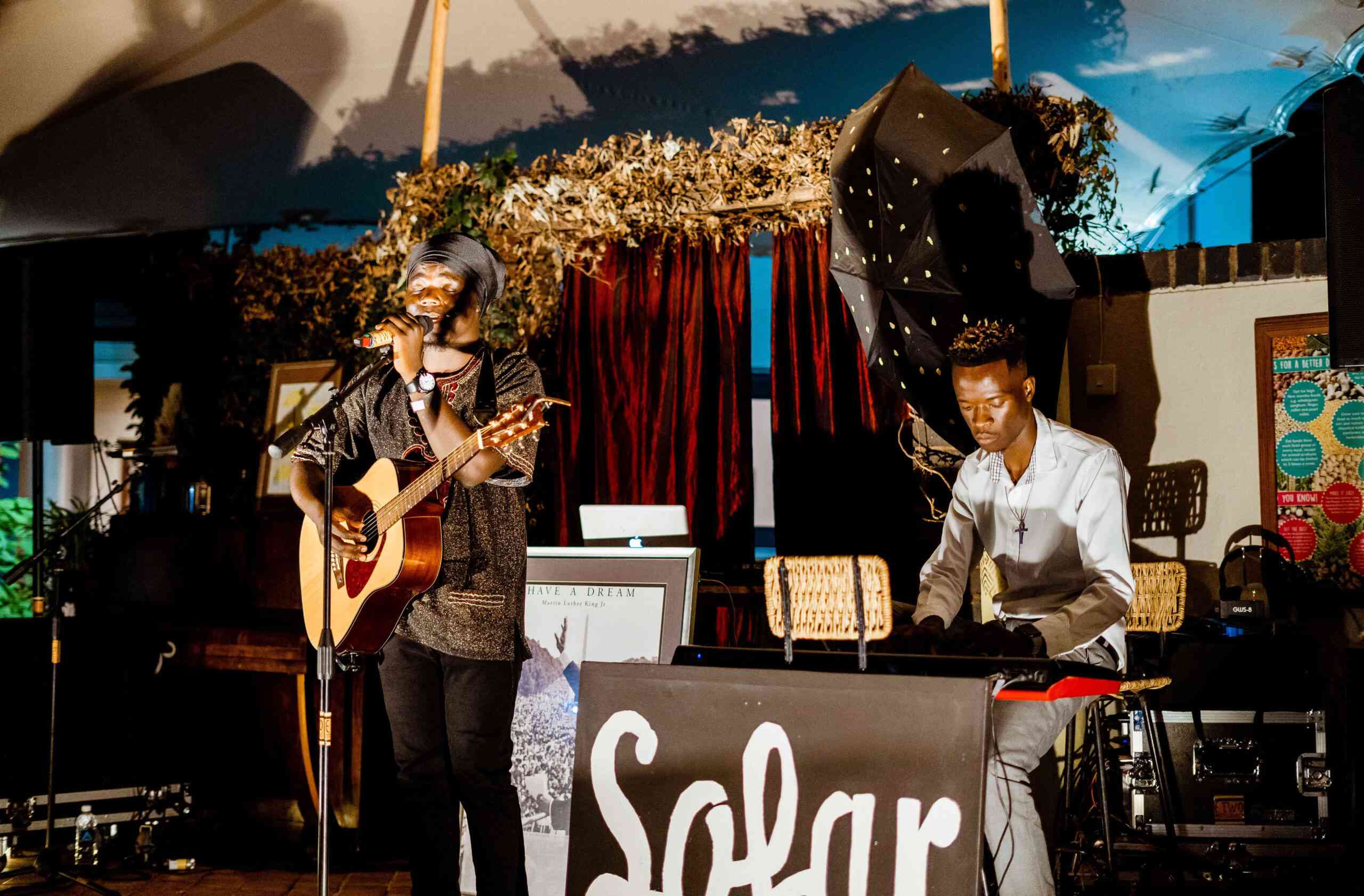
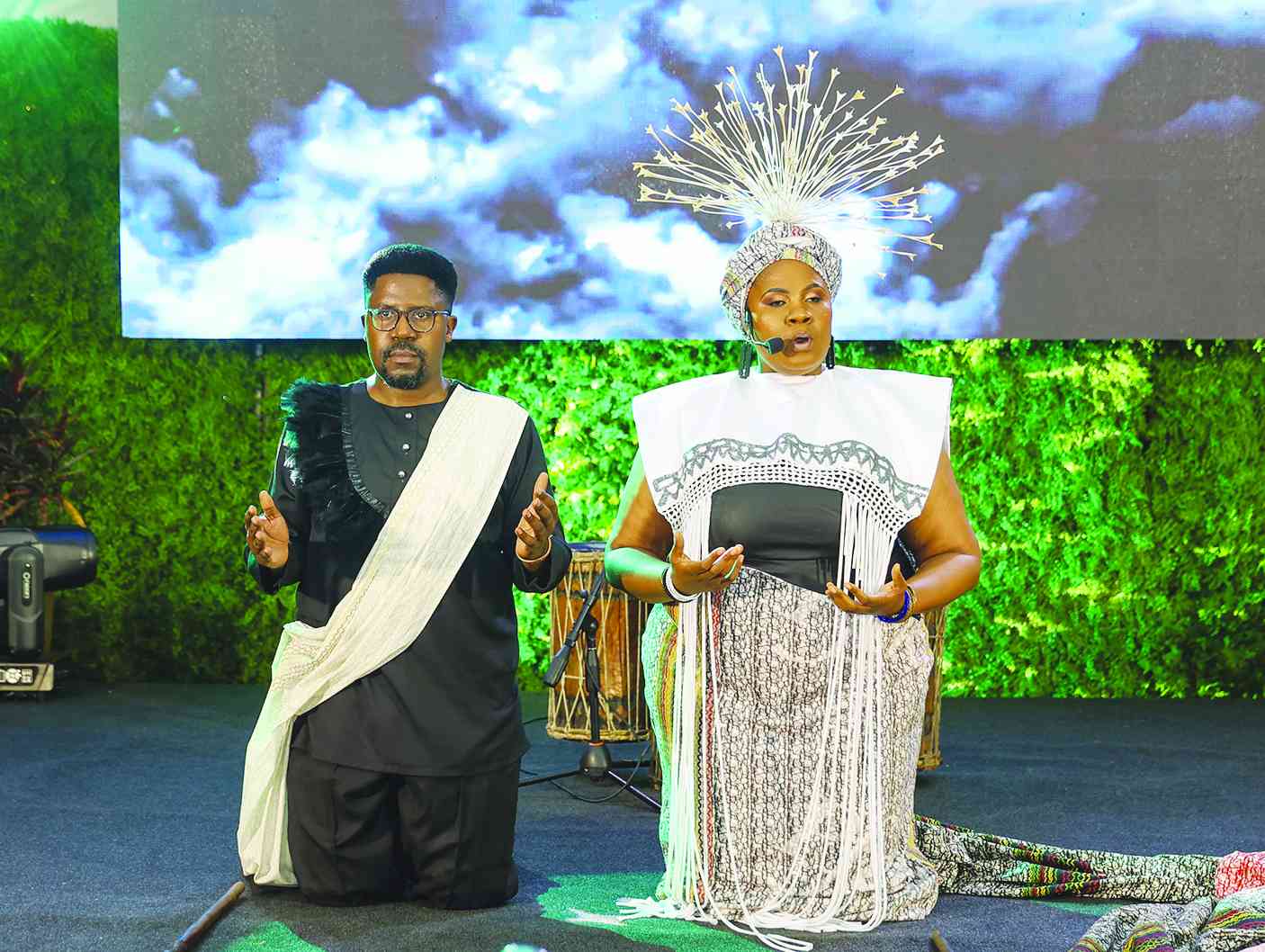
Amakhosi Theatre staged a theatre, poetry and music showcase, with performances by acclaimed artist Lady Tshawe and female a cappella quartet Nobuntu.
The festival concludes tomorrow with activities across Harare, Bulawayo and Amagugu Cultural Centre in Matobo. The newly built Mosi oa Tunya Skate Park in Victoria Falls will host a creative showcase featuring DJ sets and art exhibitions.