ZIMBABWE has initiated formal talks with the World Bank to explore accessing investment guarantees from its political risk insurance arm, the Multi-lateral Investment Guarantee Agency (MIGA).
The move aims to reduce perceived investor risk and attract capital inflows, a senior Treasury official has stated.
This engagement follows decades of economic challenges for the southern African nation.
A significant wave of capital flight began after the late president Robert Mugabe launched a contentious and chaotic land redistribution programme in 2000, plunging the country into instability.
Subsequent elections, often marred by violence and disputes, further tarnished Zimbabwe’s image as an investment destination.
The West later imposed sanctions on Harare over violations of property rights and a breakdown in the rule of law.
MIGA provides political risk insurance and credit enhancement guarantees to protect foreign direct investment against non-commercial risks in developing countries.
Last year, reports indicated the agency was struggling to establish a foothold in Zimbabwe due to heightened country and currency risks.
- “Africa’s energy sector faces significant non-commercial risks”
- Zimbabwe tackles political risk with World Bank move
- Securing World Bank nod not paper exercise
Keep Reading
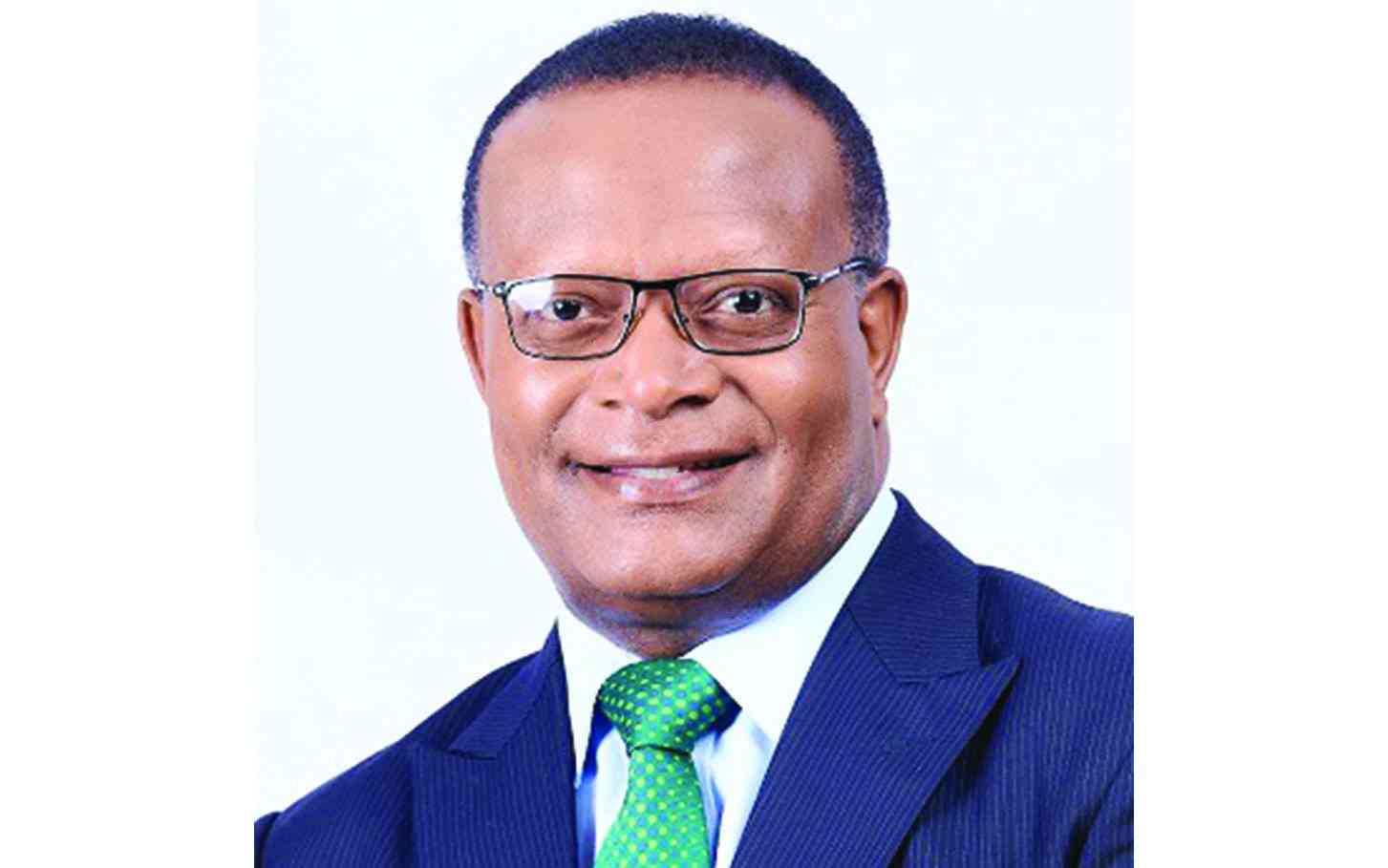
Speaking exclusively to the Zimbabwe Independent on the side-lines of the Africa Investment Forum 2025 Market Days in Morocco, Matthew Sangu, acting director for investment coordination in Zimbabwe’s Ministry of Finance, Economic Development and Investment Promotion, said the government was actively working to understand and fulfil MIGA’s prerequisites.
Responding to concerns over Zimbabwe’s difficulties in accessing such guarantees to unlock new investment, Sangu confirmed steps were being taken.
“Basically, you would notice that we have already started engaging the World Bank where the MIGA falls under and to see what guarantees they can give," he said, emphasising the critical role these guarantees would play in helping investors manage risk and participate more confidently.
“Mainly there should be several guarantees which should help even in all the trades that take place so that investors have somewhere else to fall back on,” Sangu said.
He stressed that improving Zimbabwe’s eligibility for MIGA backing required consistent adherence to policy commitments, particularly respecting the rule of law.
“What we really need is then to respect the rule of law as well so that our risk or premiums will not be that exaggerated.”
He added that Zimbabwe was collaborating closely with the World Bank to understand specific policy and implementation requirements.
“We just need to, I think, understand the requirements of MIGA which they have and what they are looking forward to for us to function in terms of all our policies and in terms of implementation of our policies.”
Policy consistency, Sangu noted, would be key.
“We need to believe or we need to stick to what we have put up front because if like now we have done our budget there are a lot of things which we have already mentioned to say this is the way to go,” he said.
“I think let’s stick to that until we have satisfied certain requirements. That is the only way we can shift a certain policy. Again that has to be communicated to everyone else to follow and to know and protect where we are going.”
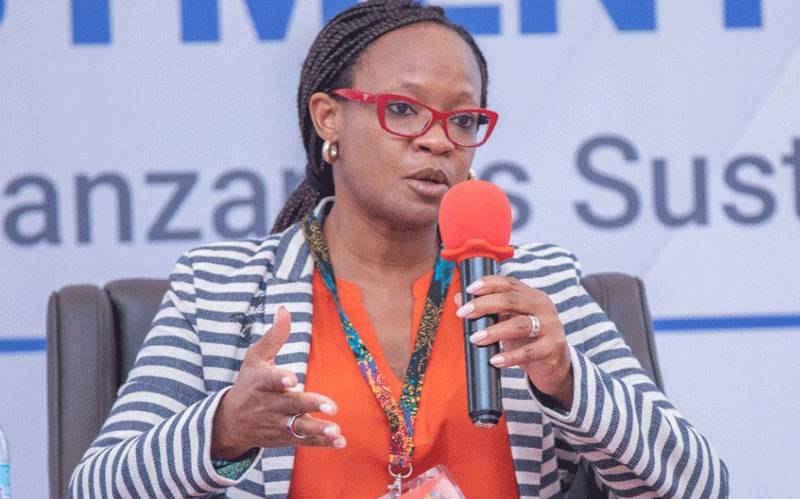
During the forum, MIGA’s Africa regional head, Nkem Onwuamaegbu, urged African governments to urgently tackle regulatory unpredictability and the weak financial health of public utilities.
She warned these issues remain the primary deterrents for investors in continental energy projects.
Onwuamaegbu stated that investors entering African markets continue to grapple with non-commercial risks that governments have been slow to resolve.
“We have been created and set up to try and mitigate what we call non-commercial risks and a lot of what you have heard is beyond the control of a sector investor that is coming into the market that may not have a predictable regulatory environment that gives them confidence,” she said.
She said independent power producers across Africa are often forced to deal with public utilities that “do not have strong balance sheets to give the investors and importantly the financiers that comfort that… the project is well bankable.”
She revealed energy projects now account for nearly 30% of MIGA’s exposure in Africa.
To contain risks, she said the agency has been providing guarantees covering breach of contract, currency transfer restrictions, political violence, and regulatory uncertainty.
She also noted rising concern from developers over currency convertibility challenges, saying “we have heard that it is also highlighted as a key risk for developers”.