
AS the Zimbabwean economy continues to struggle, an even desperate cry is coming from the country’s retirees — the hundreds of thousands whose sweat oiled industry and commerce as well as government services during their entire working lives.
They left employment with promises of smoother lives in retirement. Sadly, this has not been so. A sizeable number who left the uniformed forces have joined private security organisations.
The trend is the same — there is no real retirement as people are almost always forced to go back to work at advanced ages.
Economists have always attributed the undermining of Zimbabwe’s economic trajectory to policy inconsistency. They argue this breeds uncertainty and undoubtedly erodes confidence in potential investors who feel putting their money in Zimbabwe is tantamount to throwing it down a bottomless pit.
For decades since Independence, the economy has been stuck in the sick bay, panting for survival all the way and pensioners have been hardest-hit. The companies and organisations they worked for have closed doors on them and they cannot possibly go there for assistance.
They have been subjected to inhuman treatment by being forced to endure long queues at banks during successive cash shortages. Frail and aged, they at times went back home empty-handed.
Some would have travelled all the way from rural homes to access their paltry payouts.
The amounts are inadequate and often forces retirees to go to loan sharks in order to fund their survival.
- UK based Zimbabwean divorces wife of 33 years over conjugal rights
- New perspectives: Role of private sector in resource mobilisation
- Village Rhapsody: Govt must ensure that devolution works
- New perspectives: Money laundering red flags in insurance sector
Keep Reading
The bulk of medical insurance companies shun pensioners since they are already out of employment and cannot afford premium payments.
The country’s health delivery system has remained in the intensive care with staff having gone on strike recently over poor remuneration and conditions of service.
In South Africa, the South African Social Security Agency pays out R2 400 (US$145,43) per month to retirees or R2 420 (US$146,63) for those who are 75 years of age or more.
While Botswana pays its retirees P830 (US$61,73) per month, prices of goods and services in the southern African nation are reasonable. Zimbabweans flock to Botswana and South Africa to buy consumer goods. Namibian pensioners receive N$1 700 (US$102,98) per month.
In Zimbabwe, private pension schemes are suffering from legacy issues relating to the hyperinflationary 2008/2009 period. Thousands of Zimbabweans lost entire savings during these chaotic years.
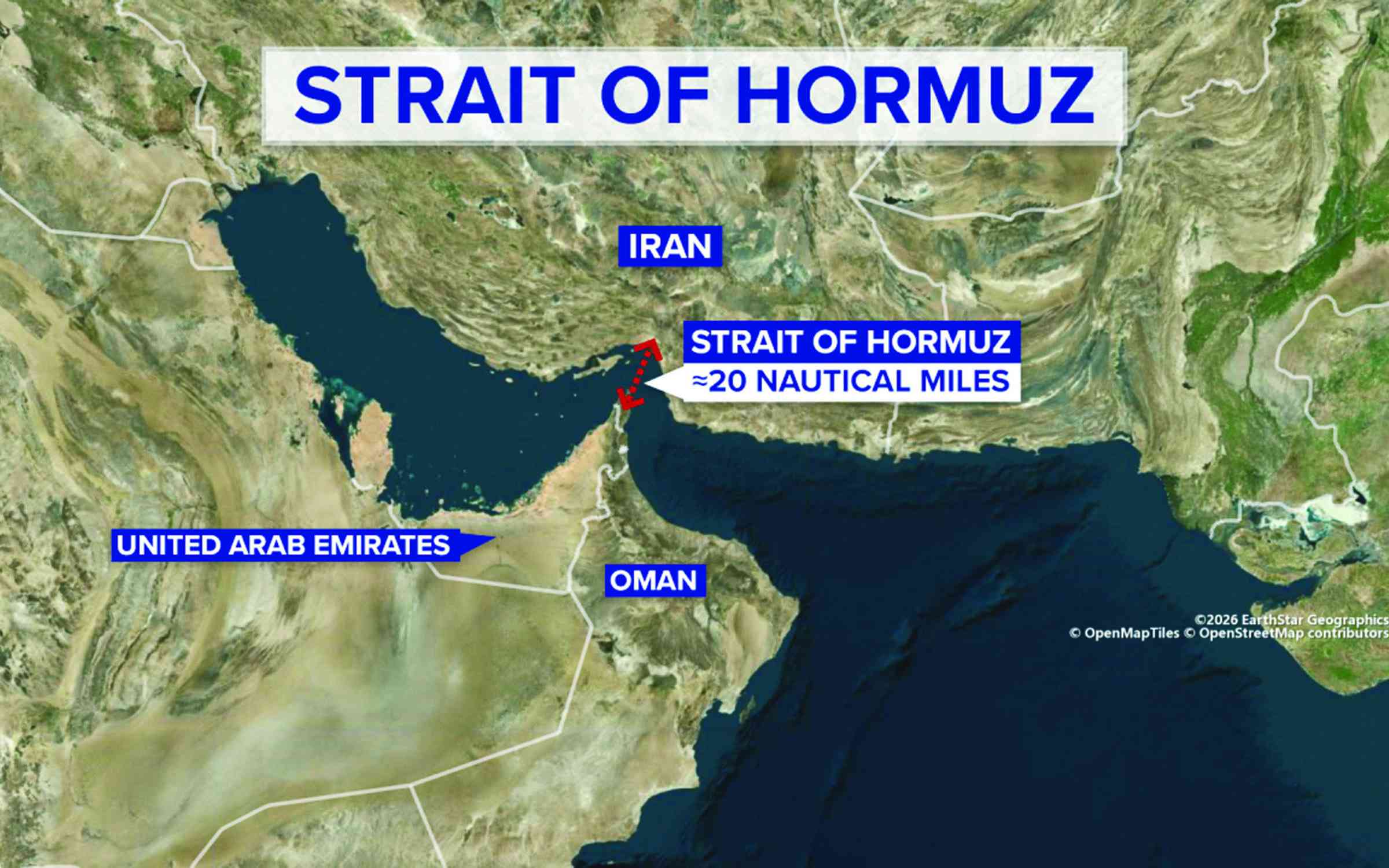
Prices of goods and services, especially transport costs, have gone up, owing to the ramifications of the Gulf crisis. Fuel prices have gone up and so have the costs of goods, placing pensioners in an even more difficult position.
Although the government has tried to come up with formulae aimed at addressing the issue, thousands of retirees died before these latest propositions.
The scars of the period have remained and insurance firms have been struggling to restore the trust and confidence lost during the hyperinflationary period.
What is disheartening is that they see corruption taking place all around them and this has stripped the country of its moral standing. Elites and some politically-connected individuals flaunt cash acquired through dubious means and yet their honest working lives are receiving very little.
Zimbabwean pensioners deserve better and it is prudent for authorities to have a rethink. Public health institutions must come up with schemes for pensioners and their dependents so that at least they can access the facilities.
The government must, as a matter of urgency, revisit the amounts payable to pensioners as the current figures are hardly adequate for basic survival.
A compassionate government would want to look after its retirees well or at least afford them a decent living in this critical period of their lives.
After working for decades, contributing religiously to pension funds that invest the money, mostly in real estate, it is a mockery that they do not seem to benefit from their contributions.
Wilson is the founder and leader of the Democratic Official Party.