
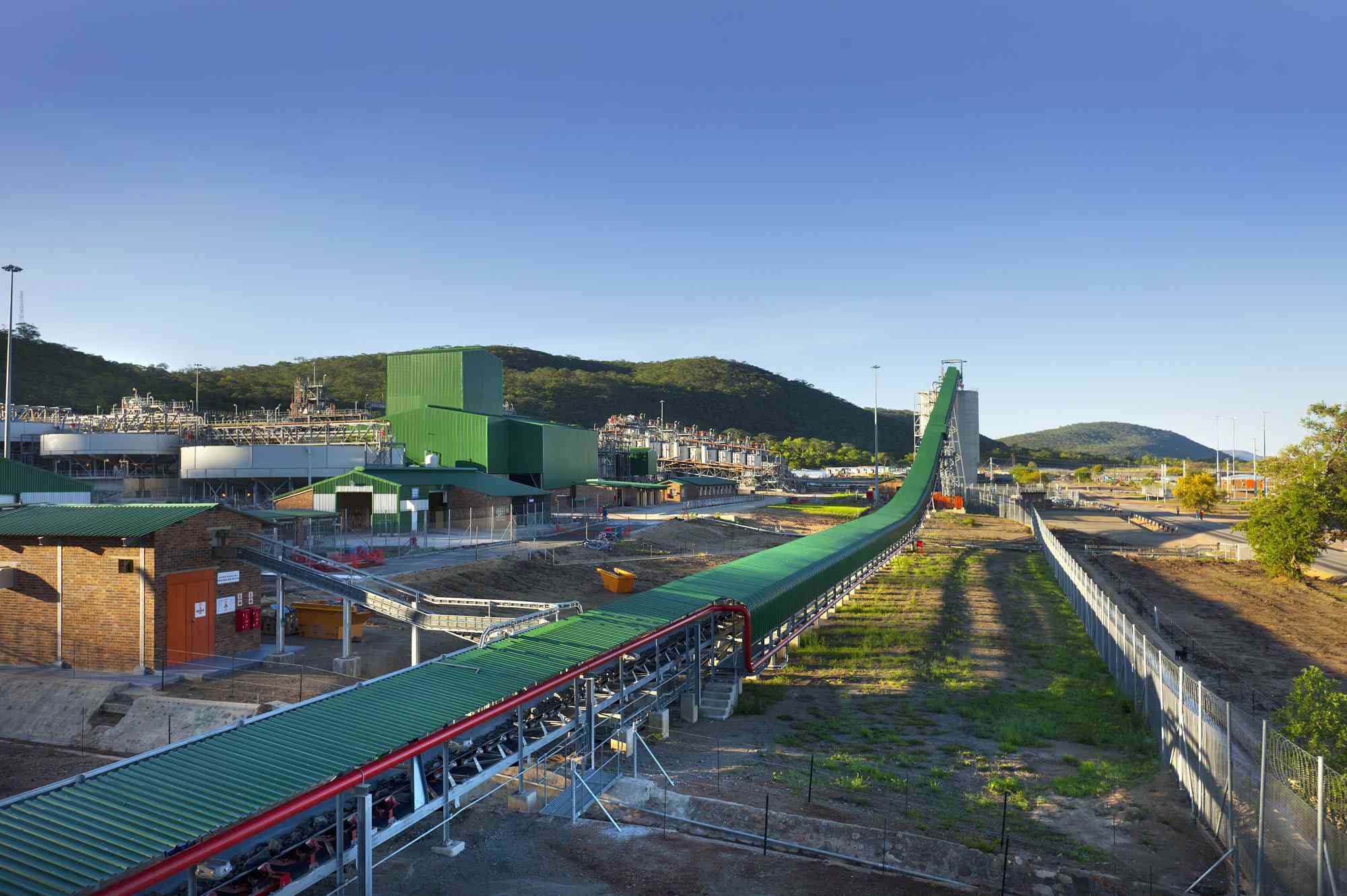
One of Zimbabwe’s largest platinum producers this week pushed back against allegations that mining firms in Shurugwi were bribing traditional leaders to ease expansion.
Unki said it operates transparently and does not offer inducements to local leaders.
This follows a damning report by the Centre for Natural Resource Governance (CNRG), which alleged a pattern of collusion between mining companies, traditional leaders and local officials in one of Zimbabwe’s richest mineral belts.
The watchdog claimed some companies provide “token” incentives, including fuel coupons, to chiefs and councillors to secure compliance as they expand into communal land.
General manager Walter Nemasasi dismissed the claims.
“We engage with host communities openly and ethically, and we do not provide improper inducements or anything that could reasonably be perceived as such,” Nemasasi told businessdigest.
He said community engagement is conducted through a structured forum that includes elected village representatives, youth, vulnerable groups and government officials.
“The three chiefs of Shurugwi participate in the community engagement forum as ex-officio members,” he said. “Participants are reimbursed only for reasonable transport costs. No other benefits are provided, including to chiefs.”
- Smuggling of gems bleeding Zim’s economy
- Erik ten Hag: Manchester United appoint Ajax boss as club’s new manager
- Zimbabwe’s smuggled gold destined for China
- Smuggling of gems bleeding Zim’s economy
Keep Reading
Nemasasi added that the mine has no plans to relocate communities.
The report, however, painted a different picture, alleging a deeply-entrenched system of dispossession driven by expanding mining concessions.
Zimbabwe earns about US$6 billion annually from mineral exports, yet communities in areas such as Shurugwi remain trapped in poverty, facing displacement, environmental degradation and social dislocation.
CNRG alleged that some mining firms invoke state security links to silence resistance, with villagers reportedly warned they have no legal claim to the land.
“The state resettled you here and it has the authority to relocate you,” one villager was told, according to testimonies gathered in the report.
While such claims have previously been dismissed by presidential spokesperson George Charamba, their persistence on the ground has heightened fear in affected communities.
The watchdog further alleged that consultation processes are often choreographed, with companies selecting compliant participants to create the appearance of consent.
“The mine would selectively summon the councillor, chief and a few villagers sympathetic to its interests, ensuring predetermined outcomes,” the report said, without naming the mine.
Communities in areas such as Pasimupindu and around Unki are said to face possible displacement as mining operations expand, leaving residents uncertain about their future.
The uncertainty has disrupted livelihoods, with farmers reluctant to invest in crops amid fears of sudden relocation.
CNRG said the social impact is severe as up to 70% of displaced people are women, while youth unemployment in mining zones stands at about 60%.
People living with disabilities are among the hardest hit.
Environmental damage has compounded the crisis. Opencast mining has degraded arable land, while rivers such as Mutevekwi have reportedly been polluted, threatening human and livestock health.
Despite these concerns, government insists that the law protects communities.
Permanent secretary in the of Information ministry Nick Mangwana said any displacement linked to national projects must be handled “sensitively, fairly and with dignity”, in line with constitutional protections.
However, analysts say gaps in the Communal Lands Act, which vests land control in the state, continue to expose rural communities to abuse.