
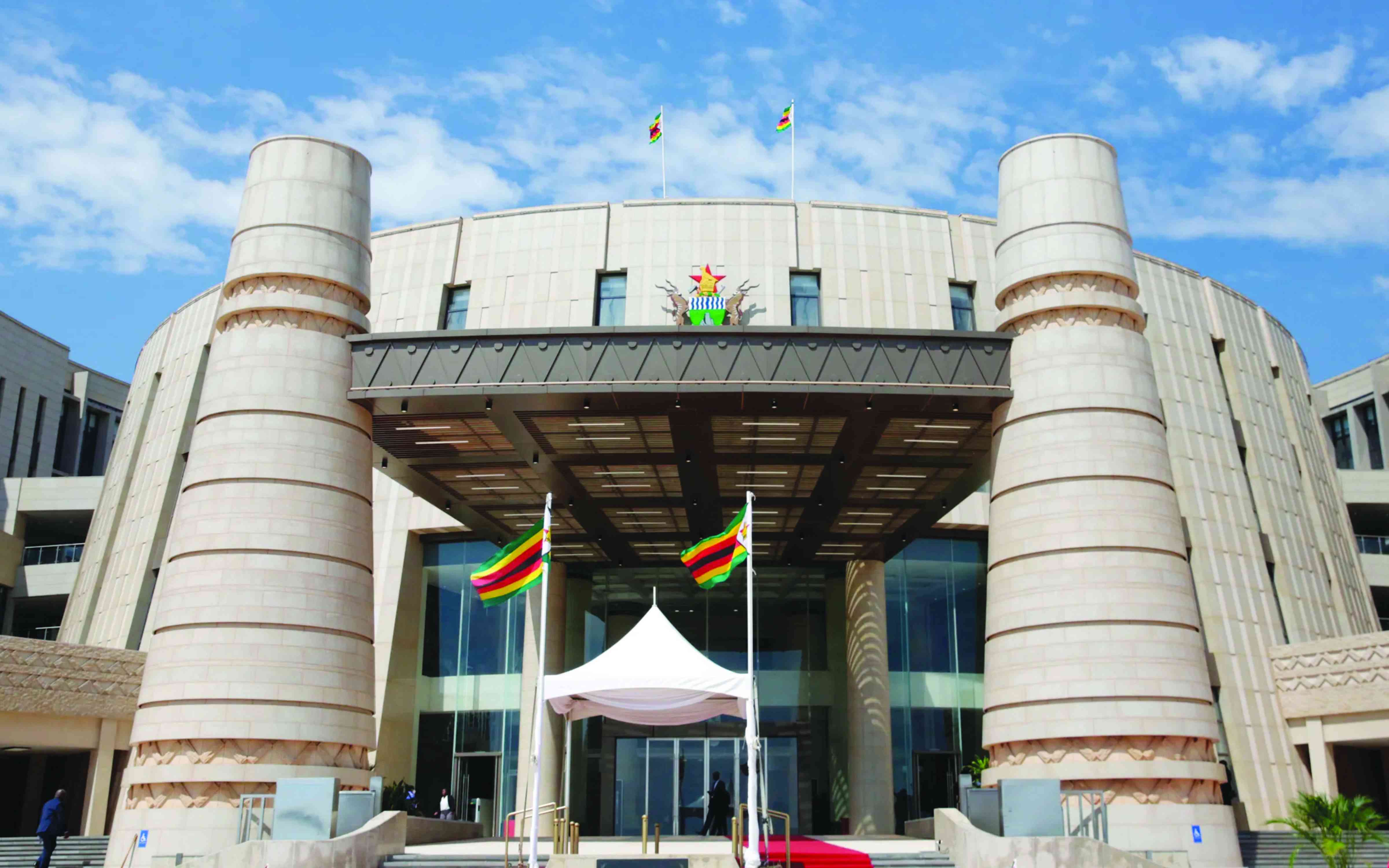
ZIMBABWE has quietly restructured how it pays public service pensions, shifting responsibility from the Treasury to the Public Service Commission (PSC) in a move that effectively takes a US$500 million obligation off the State’s balance sheet.
At the centre of the change is the newly-established Public Service Pension Fund, a funded defined-benefit scheme that officials say is now valued at more than US$500 million.
The fund replaces the long-standing pay-as-you-go system, under which pensions were financed directly from Treasury through annual budget appropriations approved by Parliament.
Senior officials acknowledge that the State has struggled to meet pension obligations while simultaneously funding civil service wages, debt servicing, agricultural support programmes and infrastructure projects.
Pensions, historically treated as a residual fiscal item, have repeatedly fallen into arrears. The PSC, a constitutional body traditionally focused on public sector human resources, will now oversee pension payments through the fund.
“The correct position is that government is working on a funded defined-benefit scheme called the Public Service Pension Fund, which was recently created and is now above US$500 million in value,” secretary for Service Commissions Sibusisiwe Zembe said.
Officials argue the restructuring will stabilise pension payments and shield retirees from the fiscal shocks that have defined Zimbabwe’s recent history.
However, the transition has taken place without public announcement, parliamentary debate or legislative amendment to existing pension laws.
- Cars up for grabs in batteries competition
- Africa should be better prepared for Europe’s security funding shift
- Sadc PF wants right to health enforceable
- AG’s report shows growing impunity at the heart of govt operation
Keep Reading
Previously, Parliament exercised direct oversight by approving pension spending through the national budget.
But under the new arrangement, a substantial pension pool now sits outside Treasury, raising questions about accountability, transparency and institutional capacity.
In separate interviews, Treasury sources told the Zimbabwe Independent the fund was built through Treasury transfers and internally-generated investment income.
It remains unclear whether audited financial statements or actuarial valuations have been published to substantiate the US$500 million valuation.
The shift comes against a backdrop of deep pension distress.
Government has previously acknowledged owing more than US$1,7 billion in arrears to pensioners, contractors, schools and other public institutions.
For some public sector unions, the fund offers cautious hope that pension payments could become more predictable.
Civil society organisations, however, warn that without strong legal safeguards, the fund risks mismanagement or political interference.
“Whether you call it restructuring or surrendering responsibility, the real issue is governance,” said a senior official in the Ministry of Finance.
“Who oversees the fund, what assumptions underpin it, and how long can it realistically sustain payouts in a volatile economy like Zimbabwe?”
Zimbabwe’s pension system has long been a source of grievance and litigation.
Hyperinflation in 2008 wiped out lifetime savings, while dollarisation in 2009 reset pension values to a fraction of their worth.
Subsequent currency shifts further eroded benefits, leaving many retirees in persistent financial distress.
Government has pledged compensation for historical losses, but implementation has been slow, contested and frequently challenged in the courts.
For pensioners, however, structural reforms matter less than outcomes.
“They can explain the funds and the structures,” a retired teacher said.
“What matters is whether the money comes on time and whether it is enough to live on.”