The African Development Bank (AfDB) has issued a strong warning to Zimbabwe over its reliance on mortgaging natural resources to secure foreign loans.
The Pan-African lender cautioned the strategy risks entrenching fiscal vulnerability while quietly transferring control of strategic assets to external financiers.
In two newly-released reports — Zimbabwe Natural Resources Country Analysis and an accompanying policy brief — the continental lender said Zimbabwe has increasingly turned to resource-backed loans (RBLs) to finance infrastructure and energy projects.
It identified the People’s Republic of China as the dominant beneficiary of these arrangements.
While acknowledging such loans have helped Zimbabwe rebuild critical infrastructure, AfDB warned weak transparency, limited parliamentary oversight and opaque contract structures have created long-term risks that could outweigh short-term development benefits.
Between 2004 and 2019 alone, Zimbabwe mortgaged an estimated US$2,87 billion worth of mineral resources to China, primarily through financing agreements with the China Exim Bank, the reports showed. These arrangements have tied future mineral revenues to debt-repayment obligations at a time when the country remains exposed to commodity price volatility and constrained access to conventional capital markets.
“China has been a key partner in Zimbabwe’s adoption of resource-backed loans, financing several transformative projects aimed at addressing developmental challenges,” AfDB said.
“However, as public debt remains elevated, future engagements must be carefully structured to safeguard fiscal sustainability and national resource sovereignty.”
- The brains behind Matavire’s immortalisation
- Red Cross work remembered
- All set for inaugural job fair
- Community trailblazers: Dr Guramatunhu: A hard-driving achiever yearning for better Zim
Keep Reading
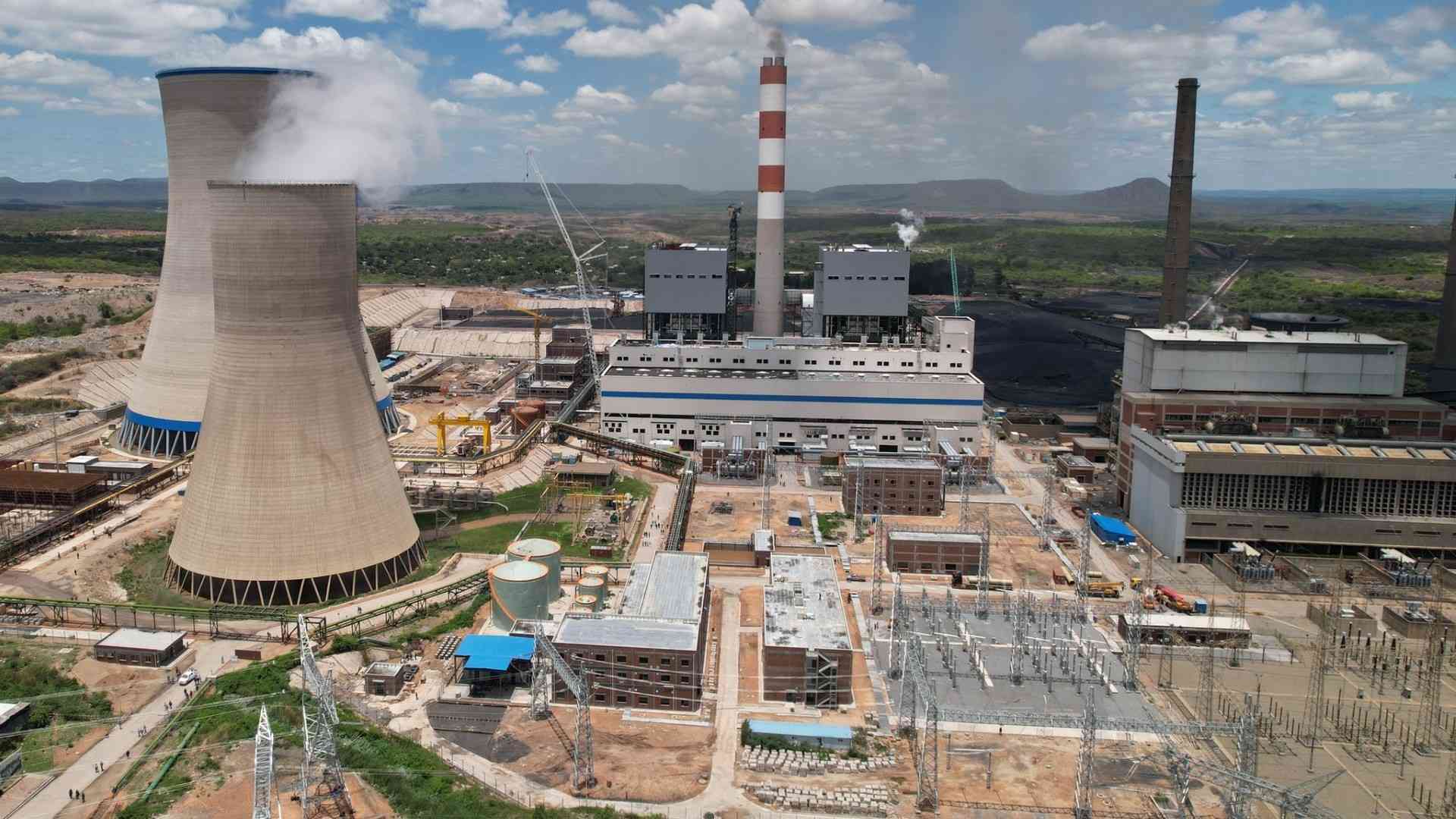
Among the largest projects funded through such mortgage-style financing was a US$998 million lifeline for the expansion of Hwange Thermal Power Station.
It significantly increased electricity generation capacity and eased chronic power shortages that had long undermined industrial productivity. Another flagship project was the US$150 million upgrade of Victoria Falls International Airport, completed in 2016, which expanded passenger-handling capacity to about 1,5 million travellers a year and strengthened Zimbabwe’s tourism infrastructure.
Before the upgrade, the airport handled about 500 000 passengers annually.
AfDB acknowledged these projects delivered tangible economic benefits, particularly in energy security and tourism development. However, it warned the governance architecture underpinning resource-backed borrowing remains dangerously thin.
The bank identified the absence of robust contract disclosure requirements, limited parliamentary scrutiny and weak institutional oversight as key vulnerabilities in Zimbabwe’s approach to mortgaging resources. It noted that approximately US$1,2 billion worth of active projects remain linked to resource-backed repayment structures, primarily in the energy and mining sectors.
“Repayment risks are heightened by declining global mineral prices and elevated debt levels,” AfDB said, warning that adverse market shifts could rapidly destabilise public finances if collateralised revenues underperform.
Beyond China, Russia and India were identified as other partners to whom Zimbabwe has pledged resources in exchange for financing across sectors, including mining, agriculture and energy. AfDB cautioned that the growing number of bilateral, non-transparent lending arrangements increases the risk of fragmented debt obligations that are difficult to monitor and manage.
The bank urged Zimbabwe to fundamentally rethink how it engages in resource-backed borrowing, stressing that future transactions must be anchored in transparent, rules-based frameworks aligned with national development strategies. It called for full parliamentary oversight of all such agreements, independent valuation of pledged collateral and competitive lender-selection processes to ensure value for money.
“All resource-backed transactions should be informed by independent technical and financial assessments, fiscally-prudent repayment structures and clear time horizons,” AfDB said, warning that poorly-structured deals could mortgage future growth rather than unlock it.
To reduce exposure, the bank recommended the use of special-purpose vehicles to ring-fence revenues generated by resource-backed projects, ensuring proceeds are channelled exclusively toward clearly-defined infrastructure and social development priorities.
It also called for comprehensive public disclosure of all such contracts, including repayment terms and beneficial ownership, as a foundation for accountability and public trust.
Regular debt-sustainability assessments, integrated into broader macro-economic risk management frameworks, were described as essential to preventing a slide into debt distress driven by commodity price shocks or tightening external financing conditions.
Across Africa, resource-backed lending has become an increasingly attractive option for governments facing limited fiscal space and restricted access to global capital markets. However, development-finance experts warn that mortgaging strategic assets often shifts risk disproportionately onto borrower countries, locking them into rigid repayment structures that offer little flexibility during economic downturns.
Unlike conventional project finance, resource-backed loans frequently bypass competitive procurement, weaken legislative scrutiny and obscure the true cost of borrowing. In several African cases, repayment obligations have extended far beyond the economic life of the projects they financed, effectively transferring long-term resource rents to external creditors.
AfDB cautioned that without strong governance, transparency and institutional safeguards, mortgaging natural resources can convert short-term infrastructure gains into long-term development constraints, reinforcing dependency rather than accelerating sustainable growth.
For Zimbabwe, the bank warned, the challenge is no longer whether resource-backed loans can deliver infrastructure, but whether the country can afford the quiet surrender of future mineral revenues in exchange for today’s capital.