A DAMNING investigation by the Auditor-General’s Office has laid bare serious financial mismanagement in the use of ZW$42,9 million allocated for the emergency production of Covid-19 supplies, exposing weak oversight, mission drift and unexplained expenditure within the Ministry of Higher and Tertiary Education, Innovation, Science and Technology Development.
The audit, covering the peak pandemic period from April 2020 to October 2021, found that while state universities did produce sanitisers and masks, a significant portion of the funds meant to support the national health response was spent without basic financial safeguards.
An amount totalling ZW$9,57 million could not be supported by any production budgets or plans, raising red flags over how the money was ultimately used.
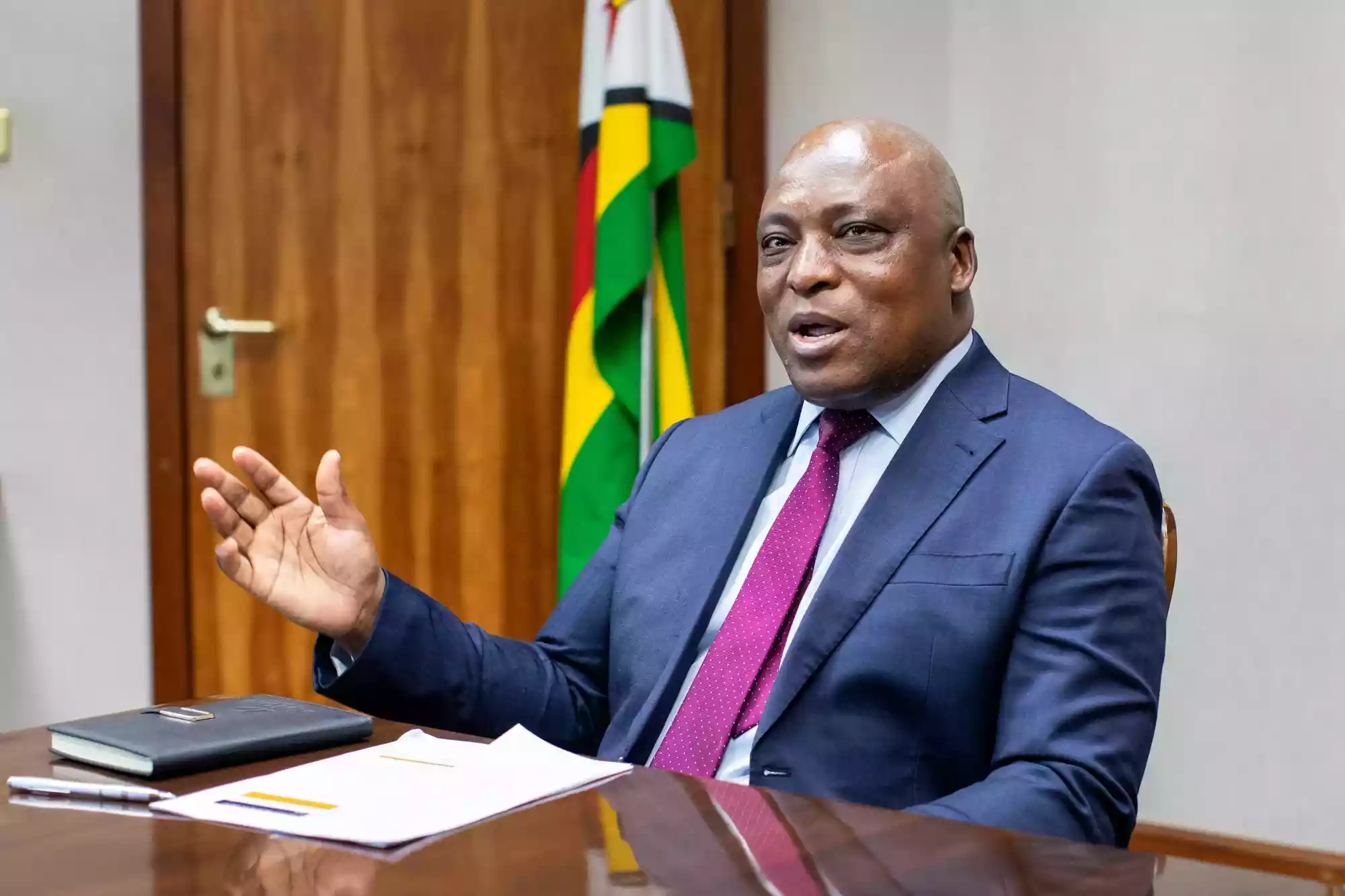
“From the ZW$42 933 870 disbursed to universities, a total amount of ZW$33 377 461 was supported with production budgets or plans, while production budgets or plans for ZW$9 566 409 were not availed for audit,” Acting Auditor-General Rheah Kujinga stated in a recent hard-hitting report on the Ministry of Higher and Tertiary Education, Innovation, Science and Technology Development.
“The unsupported amount could have been used for purposes other than the production of sanitizers and masks.”
The financial risks were compounded by the rapid erosion in the value of the local currency over the audit period.
At the April 2020 exchange rate of US$1:ZW$25, the total disbursement was worth about US$1,72 million.
By October 2021, when the exchange rate had weakened to around US$1:ZW$97, the same amount had fallen in value to roughly US$442 000.
- Young entrepreneur dreams big
- Chibuku NeShamwari holds onto ethos of culture
- Health talk: Be wary of measles, its a deadly disease
- Sakunda hail SA stadia tour
Keep Reading
The unaccounted ZW$9,57 million alone was equivalent to approximately US$382 800 at the start of the project, highlighting the scale of public funds exposed during a national emergency.
Beyond the missing documentation, the audit uncovered a fundamental shift in how the Covid-19 funds were used.
With ministerial guidance, universities moved quickly from producing pandemic-related supplies into broader commercial manufacturing.
Products ranged from school uniforms, bin liners and liquid soap to theatre caps and sanitary bags, supported by newly established marketing departments.
“While the objective was to create mitigatory measures to deal with the national shortage of materials needed to fight Covid-19, universities went further to diversify their product range so that they could continue in business after Covid-19, in fulfilment of the guidance from the parent ministry,” Kujinga wrote.
This strategic pivot effectively transformed an emergency public health intervention into a quasi-commercial operation, without the governance structures normally required to manage such ventures.
According to the audit, oversight from the parent ministry was minimal.
The ministry’s internal audit unit conducted site visits only once, during the inception phase in April and May 2020.
“In view of the fact that these were new projects that required close monitoring, regular visits providing guidance in the use of funds and other controls were needed,” the report states.
As a result, the ministry “could not measure the performance of the institutions for financial prudence and business acumen in growing the seed capital,” the report notes, highlighting how the initiative drifted away from its original mandate under conditions of weak accountability.
The auditor-general has called for strengthened oversight by the ministry, regular audits of university operations and, critically, a full reconciliation of the unsupported ZW$9,57 million.
Kujinga urged that remedial action be taken without delay, warning that failure to enforce accountability risks entrenching a culture where emergency public funds can be repurposed without consequence.
Exchange rate:
- As at April 30, 2020: US$1: ZWL$25
- As at October 21, 2021: US$1: ZWL$97