
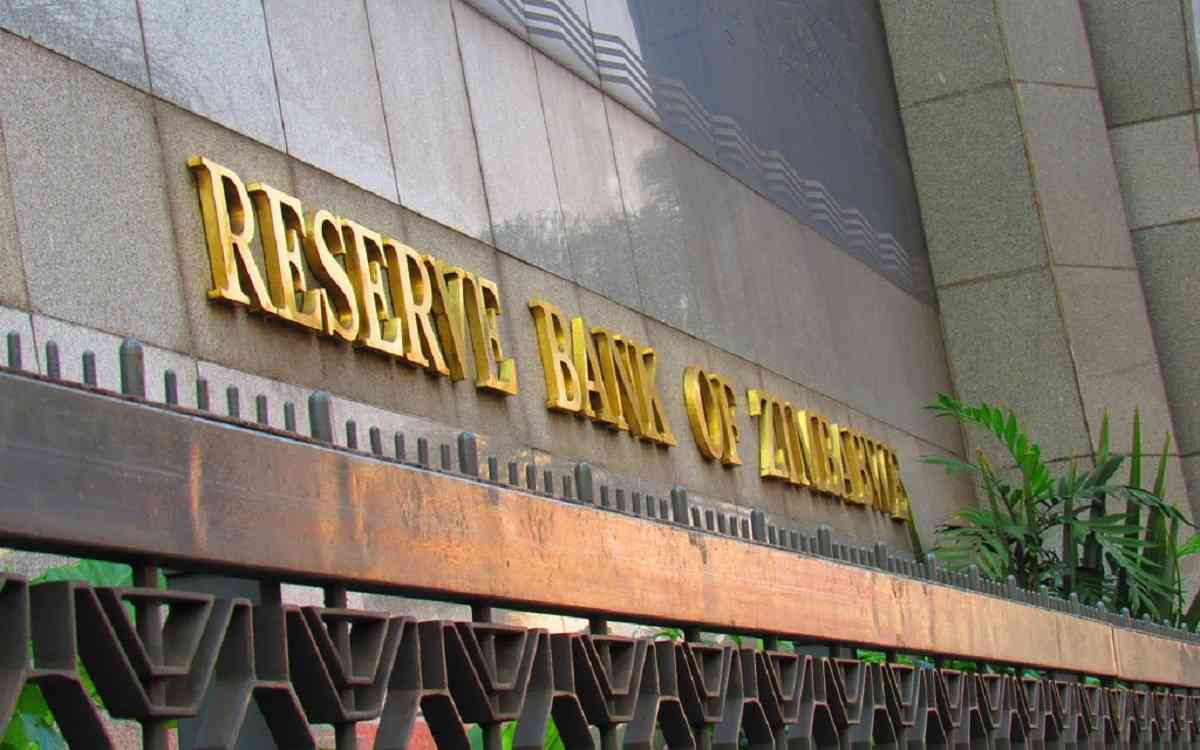
The Reserve Bank of Zimbabwe (RBZ) has clarified its role in handling export surrender obligations, emphasising that outstanding payments from the pool belong to the government, not the central bank.
“As highlighted before in the monetary policy statement of April 2024, the statutory surrender export receipts are received by the central bank for the account of the Government of Zimbabwe,” Reserve Bank governor John Mushayavanhu told businessdigest this week.
“Accordingly, the local currency equivalent for all statutory surrender on all export proceeds is paid by the Government of Zimbabwe and is therefore not an obligation of the Reserve Bank,” he added.
Under Zimbabwe’s retention policy, exporters must surrender 30% of their foreign currency earnings to the central bank in exchange for Zimbabwe Gold (ZiG) at the prevailing interbank rate.
In the past week, mining firms in Zimbabwe’s platinum sector reported that significant sums were owed to them, and attributed to the RBZ.
“The delayed payments by government have nothing to do with the Reserve Bank’s tight monetary policy, as it has open market tools to mop up liquidity in the market in case of need,” Mushayavanhu emphasised.
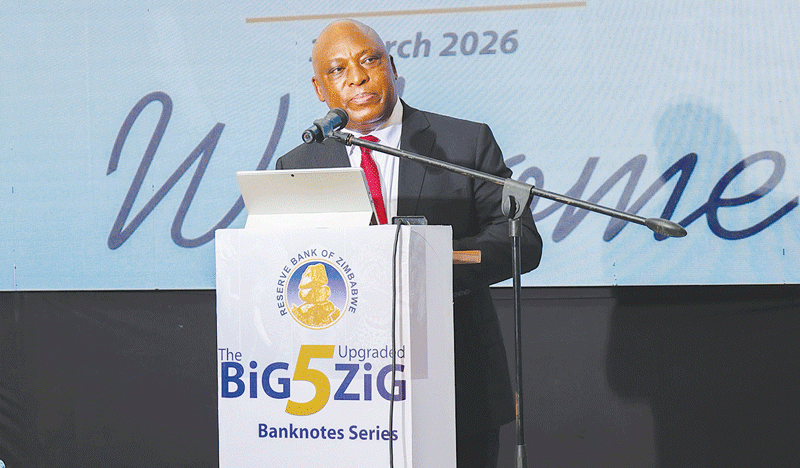
In its monetary policy statement released last month, the RBZ said proceeds from export liquidations were playing a crucial role in “liquefying” the willing buyer willing seller interbank market, along with facilitating the accumulation of foreign exchange reserves to back the local currency.
In last week’s financial report covered by the Zimbabwe Independent, Zimplats — the country’s largest platinum miner listed on the Australian Stock Exchange said: “At December 31, 2025, the company had US$78,1 million held by the Reserve Bank of Zimbabwe in a deferred liquidation account, to be converted to Zimbabwe Gold in the future.
- Zimpraise to release album Number 13
- Hyperinflation headache for accountants
- Awards target married couples
- Zimpraise to release album Number 13
Keep Reading
“This arises from Zimbabwe’s export retention regime, which requires exporters to surrender a portion of their foreign currency earnings to the RBZ in exchange for ZiG at the prevailing interbank exchange rate. The implementation of tight monetary and fiscal policy measures by the authorities has resulted in intermittent releases of local currency, resulting in the accumulation of ZiG balances.”
The disclosure makes Zimplats the latest major miner to report significant funds tied up in Zimbabwe.
Reuters reported recently that South Africa’s Valterra Platinum is owed about US$100 million in 2025 export proceeds by the Zimbabwean government, which has begun partial payments to clear arrears.
“It is about US$100 million that hasn’t been able to be accessed by us,” Valterra chief financial officer Sayurie Naidoo told analysts during a results call.
“We have been engaging with the Reserve Bank, as well as the Ministry of Finance, and we are receiving some funds in 2026 so far, and we do expect to receive that over the next couple of months,” Naidoo added.
The Chamber of Mines of Zimbabwe has previously flagged delayed disbursements of the local currency component of export proceeds, warning that hold-ups undermine firms’ ability to meet statutory and operational obligations.