
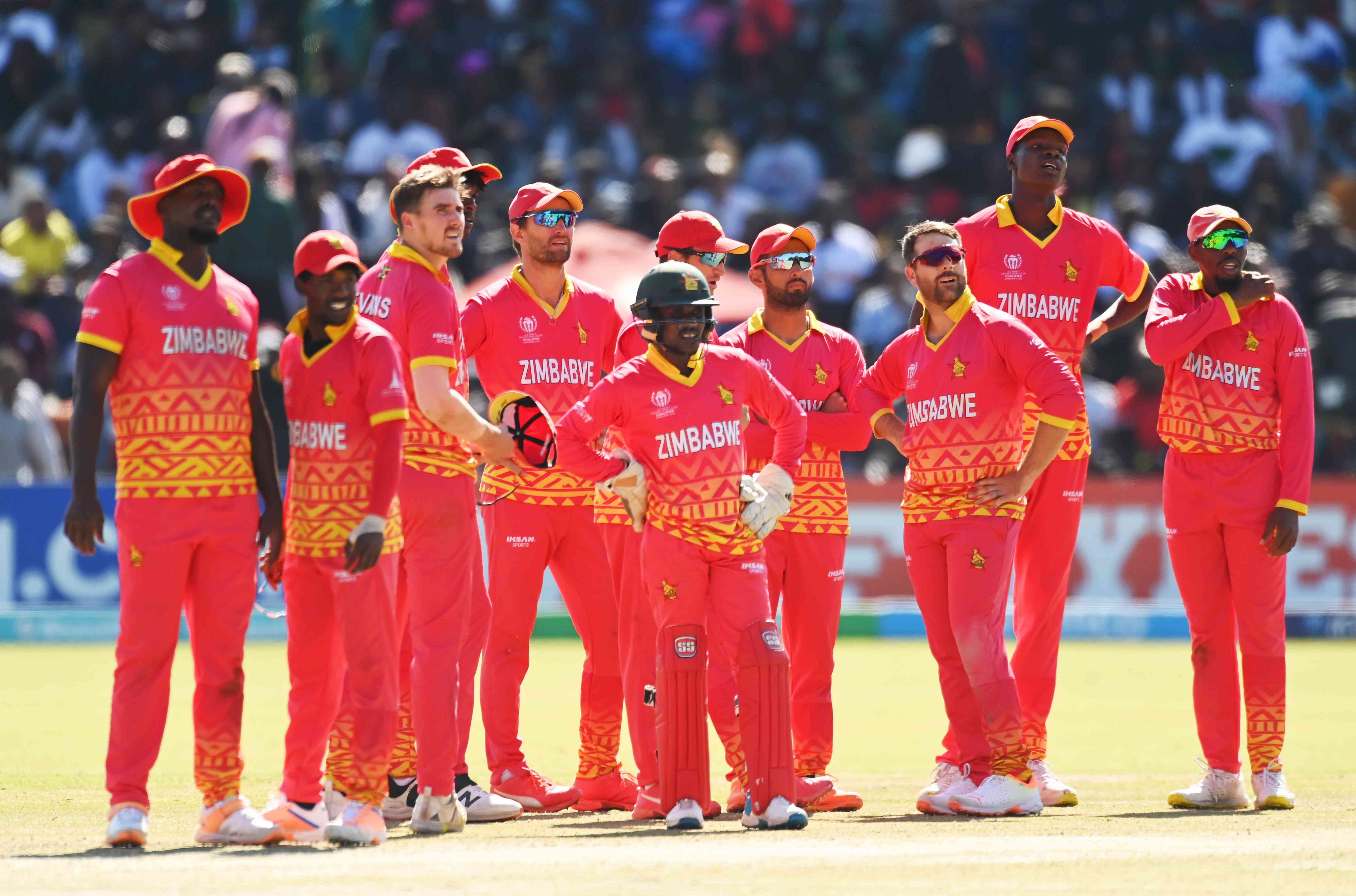
WHEN Zimbabwe on Tuesday sealed their place in the Super 8 of the ICC Men’s Cricket World Cup after gaining a point in a match against Ireland, which was abandoned without a ball being bowled, it was a symphony reaching its crescendo.
For years, the notes had wavered, the rhythm had faltered, and critics had questioned whether the music could ever return.
Some even said Zimbabwe was going the Kenyan way after their highs of qualifying for semi-finals in 2003 but now they are even struggling to beat teams in Africa. But Zimbabwe cricket continued to defy the odds.
The defining day of the Zimbabwe cricket orchestra at the 2026 T20 World Cup was against Australia in scorching and humid Colombo.
The Zimbabwean cricket team did not merely play; it performed. And like a great orchestra rising to its feet in perfect harmony, every section contributed to a masterpiece that resonated far beyond the boundary ropes and is still being talked about in the cricket world, from Canberra, Barbados, Bulawayo, Harare and far beyond.
An orchestra is not powerful because of a single violin or a booming drum. Its strength lies in cohesion — in the delicate balance between strings, brass, woodwinds and percussion, each aware of its role, each trusting the other.
In much the same way, Zimbabwe’s march to the Super 8 was not the triumph of one star player or one inspired innings. It was the product of alignment — the cricket board setting the tempo, the management shaping the structure, the technical team refining the finer notes, and the players executing the score with discipline and belief.
The much-maligned Zimbabwe Cricket board, led by Tavengwa Mukuhlani, took on the role of composer, crafting a vision and laying the framework upon which the performance would be built.
- Mavhunga puts DeMbare into Chibuku quarterfinals
- Bulls to charge into Zimbabwe gold stocks
- Ndiraya concerned as goals dry up
- Letters: How solar power is transforming African farms
Keep Reading
“To be honest as a board, when we worked on reforming the organisation, paying all our creditors and getting rid of the legacy debt that was choking the organisation, we knew that once our national teams were properly resourced, a big performance at a global stage was inevitable,” Mukuhlani told The Independent Sport.
“Many have doubted along the way when results were hard to come by but we trusted the process because we understood the task ahead in making Zimbabwe cricket the talk of the cricket world.”
He called on all to bury the hatchet and push forward the positive cricket agenda brought by the performing Chevrons.
“I hope this will not be a missed opportunity in our country to unite everyone through cricket and that we continue singing from the same hymn book because if you look at how we have gotten to this stage is that everyone has played their part from the adminstrators, technical team, players and all the fans,” Makuhlani added.
“This qualification to the Super 8 is for all of us and when the national anthem is going to be sung during those matches, it will be reminder about how good it feels to be Zimbabwean.
“Having spoken to the captain, Sikandar Raza and the coach, Justin Sammons, they are saying they are not content with just making it to the Super 8 but they are taking it one game at a time and they want to put in performances that give them the best chance of going to the next stage of the competition.”
The administration, led by ZC managing director Givemore Makoni who was given a new four-year mandate last year by the board, often unseen and underappreciated, is like the sheet music: without it, even the most talented performers drift into disarray.
Management assumed the role of the conductor, ensuring that egos did not overpower the ensemble, that aggression did not outpace control, and that strategy rose and fell with the demands of the match.
Behind the scenes, the technical team led by Sammons, analysts, physiotherapists — were the arrangers and tuners, adjusting technique like tightening strings, studying opponents like interpreting complex scores, and ensuring that every instrument was match-ready when the lights came on.
And then there were the players — the strings carrying consistency, the brass delivering bold declarations, the percussion striking decisive blows at crucial moments. Together, they produced rhythm in the field, harmony in partnerships and crescendos in pressure situations.
What makes an orchestra powerful is not volume, but unity. Timing. Trust. Discipline. The understanding that silence can be as important as sound. Zimbabwe’s journey to the Super 8 reflected these same principles: controlled bowling spells who can forget how the trio of Zimbabwe fast bowlers, Blessing Muzarabani, Richard Ngarava and Brad Evans took three wickets apiece that looked like musical notes (3 for 16, 3 for 17 and 3 for 18 respectively).
From that built pressure quietly, partnerships that accumulated steadily before exploding and fielding efforts that moved as one fluid motion. Who can forget that stupendous catch by Brian Bennett against Oman?
In a high-stakes match against Australia, Tony Munyonga then took another contender of the catch of the tournament to help Zimbabwe put one foot in the Super 8 stage.
In the grand orchestra of cricket in Zimbabwe, the fans who have stuck with the team through thick and thin have been finally rewarded with a big performance at a global stage.
The fans that travelled to Sri Lanka have played a vital role, their colorful dances and unique compositions have left a lasting impression in places such as Colombo and Kandy where they celebrated every boundary and wicket with infectious energy.
Just as an orchestra thrives on the harmonious interplay of its musicians, the spirit and passion of Zimbabwe’s fans elevate the game, creating an electrifying atmosphere that inspires the players and captivates audiences everywhere.
“I was speaking to the boys after we saw the videos of our fans at the airport coming to support the team and it just lifted up the mood in the camp,” Sammons said.
“To hear them sing in the match against Oman and Australia, it just reminded us how much they love this team and it has given the impetus that we needed during those big moments of the game.”
In qualifying for the Super 8, Zimbabwe did not simply win matches; they demonstrated what sport at its finest resembles — a coordinated performance where preparation meets opportunity, where individual brilliance blends into collective excellence, and where harmony transforms effort into art.
Like an orchestra standing after a flawless performance, Zimbabwean cricket now stands poised on a grander stage, instruments tuned, rhythm found, ready for the next movement of its World Cup symphony.