
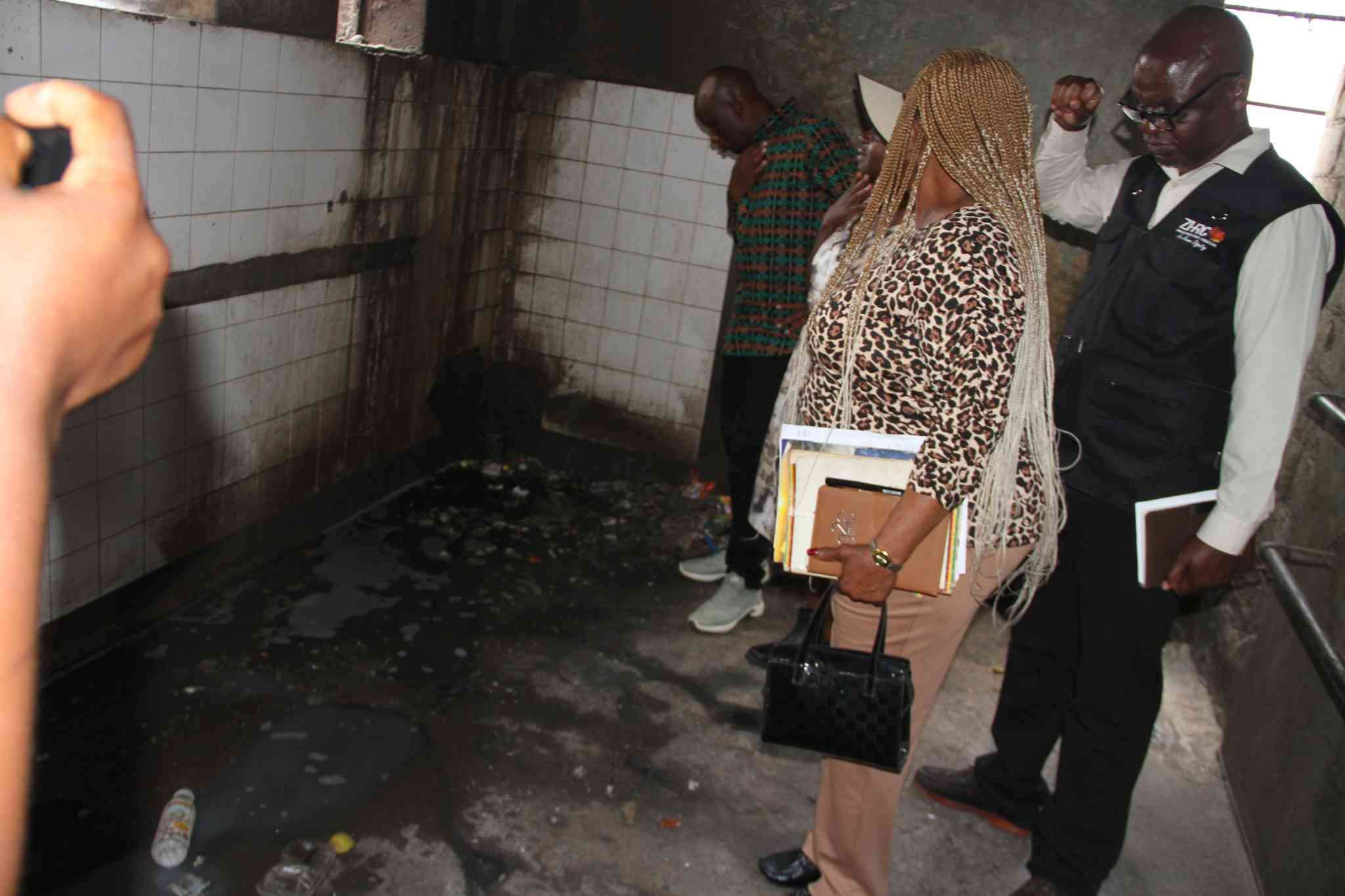
It is astonishing that it has taken a visit to Matapi Flats in Mbare by the Jessie Majome-chaired Zimbabwe Human Rights Commission for many Zimbabweans to fully grasp that some citizens of this country are forced to coexist with raw sewage and grinding squalor every day.
Matapi Flats is not an isolated case. Close by are the Shawasha Flats, another set of overcrowded residential blocks, some perilously close to the swampy banks of the Mukuvisi River, reflecting the chronic decay for which Mbare has long been notorious, particularly during the rainy season.
What makes this situation even more disheartening is that these conditions exist just a few kilometres from Munhumutapa Building, the seat of government. They are also uncomfortably close to the obscene affluence visible in Chishawasha Hills, Glen Lorne, Umwinsidale and other leafy suburbs of Harare, where hills are literally being drilled through to erect sprawling mansions.
Matapi Flats lies in Mbare, Harare’s oldest suburb. Allowing living standards there to deteriorate to such inhuman levels is nothing short of shocking.
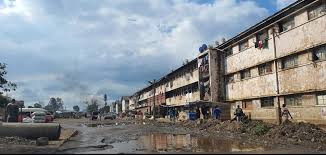
Matapi and Shawasha Flats, along with parts of Chitungwiza where residents live with uncollected garbage, are stark reminders of the gulf between policy ambition and lived reality. These conditions alone threaten to undermine government aspirations of attaining upper middle-income economy status by 2030. It is within this environment of poverty, deprivation and reeking squalor that Chitungwiza Municipality found it appropriate to splash US$147 000 on an official vehicle for Mayor Rosaria Mangoma.
The message could not be clearer: luxury is being prioritised over service delivery.
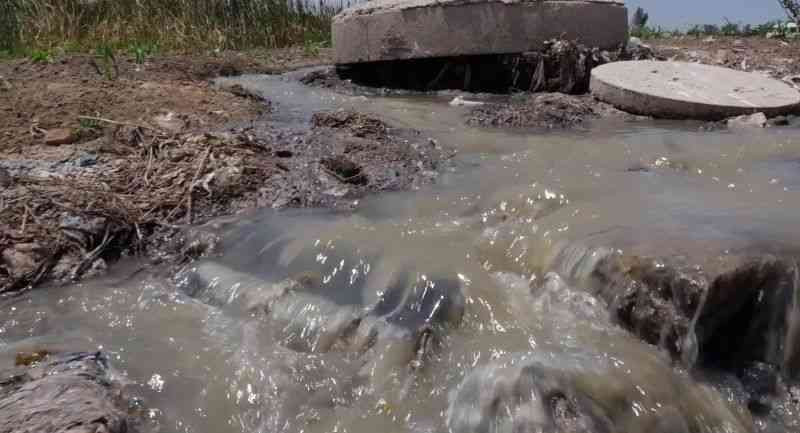
Sewer bursts have become a daily occurrence, with councils often taking an eternity to respond to residents’ complaints. Some hotspots have been virtually abandoned. Notable among them are the CA area near St Mary’s Police Station and Rufaro Road near Shingai Primary School in Chitungwiza, where residents are forced to compete for space with buzzing flies.
- Wha Wha books Chibuku date with Dembare
- Dynamos back to winning ways
- Acid test for struggling Dynamos
- TIME RUNNING OUT FOR NDIRAYA
Keep Reading
Suburban roads are in a deplorable state, riddled with gullies and craters that have become permanent features of residential streets.
Uncollected garbage — a toxic mix of diapers, leftover food, rotting vegetables and other refuse — emits a permanent stench from heaps scattered across neighbourhoods.
Erratic water supply has been a talking point for decades. Desperate residents have turned to shallow wells, an obvious breeding ground for water-borne diseases such as cholera — medieval afflictions that should have no place in a modern Zimbabwe.
In some areas, enterprising individuals now roam with water-carrying trucks, selling a basic necessity that should, by right, be supplied by councils.
Harare, Chitungwiza and other local authorities must urgently confront their failures and right these wrongs. No Zimbabwean should be condemned to live under such subhuman conditions in the capital city and its satellite towns.