
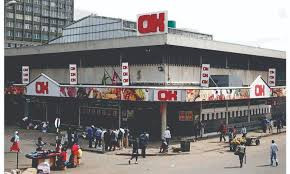
THE Zimbabwean retail sector, a critical component of the national economy, remains a key driver of employment and consumer spending.
However, it continues to navigate a challenging landscape characterised by macroeconomic volatility, regulatory shifts and rising competition from informal traders.
As of December 2025, formal retail chains such as OK Zimbabwe Limited (OK) and TM Pick n Pay (operated by Meikles Limited) exemplify a dual narrative of resilience and strain. OK reported a striking 84% revenue collapse in its half-year results to September 30, 2025, reflecting severe supply chain disruptions and liquidity pressures.
In contrast, Meikles’ TM Pick n Pay segment posted modest inflation-adjusted revenue growth of 11% for the half-year to August 31, 2025, supported by strategic store expansions and a rising share of USD-denominated sales.
This analysis evaluates recent financial disclosures, market dynamics and strategic imperatives, integrating quantitative data from audited reports, trading updates and economic indicators.
Key themes include the positive impact of the repeal of Statutory Instrument (SI) 81A of 2024 through SI 34 of 2025, the persistent threat posed by the informal “tuckshop economy” dominating 76% of economic activity and investment trends from diversified players such as Innscor Africa.
Sector projections for 2025–2026 suggest growth of 5–10%, conditional on currency stability and policy consistency, with potential mergers and acquisitions offering avenues for consolidation.
Comparative overview
- CTC approves six mergers
- CTC approves six mergers
- Shelter Afrique lays out Zim game plan
- Innscor declares dividend after impressive growth
Keep Reading
OKZ and TM Pick n Pay collectively account for an estimated 60–70% of the urban formal retail market in Zimbabwe. However, contrasting strategic approaches, OK’s focus on cost containment amid distress versus Meikles’ partnership-driven turnaround, have produced markedly different outcomes.
Profitability, efficiency metrics
A disaggregated analysis of key ratios underscores performance disparities. OK faces acute liquidity pressures (current ratio <1), while Meikles benefits from portfolio diversification (96% of revenue from supermarkets) and Pick n Pay South Africa synergies.
OK’s dramatic revenue decline coincides with an 82,7% drop in sales volume, exacerbated by supplier payment delays and net closure of five outlets. Conversely, TM Pick n Pay’s modest volume decline and US dollar revenue growth (peaking at 48% in August 2025) demonstrate the stabilising impact of its South African partnership.
Key market dynamics, trends
Zimbabwe’s retail sector is valued at US$2,5 billion in 2025 (+7% year-on-year). Formal chains, such as OK and TM dominate urban premium segments, whereas informal “tuckshops” account for 70–80% of rural and low-income trade.
Gross domestic product (GDP) growth of 6,6% projected by the World Bank (2025) is supported by agriculture and mining recoveries, but the retail sector faces headwinds from early 2025 peak inflation of 635% and El Niño-induced droughts that have curtailed disposable income.
Policy shift: Repeal of SI 81A
The repeal of SI 81A via SI 34 in April 2025 removed penalties for pricing above the official willing buyer–willing seller (WBWS) rate, aligning formal retail with parallel market realities (20% premium as of the third quarter of 2025). Meikles cited this regulatory change as pivotal, enabling margin recovery and improved competitiveness.
Informal “tuckshop” economy
Informal retail, accounting for 76% of GDP (ZimStat 2025), maintains a competitive advantage through low overheads and
US dollar acceptance, undercutting formal chains by 15–20% since 2023. Tuckshops provide basic goods at 10–20% lower prices, often leveraging smuggled imports.
Wholesaler encroachment: Innscor Africa
Diversified conglomerate Innscor Africa is investing US$74 million in milling and retail expansions, blurring wholesale and retail channels. Its 15–20% volume growth in mill-bake and protein segments increasingly overlaps with urban supermarket offerings.
Competitive landscape
Formal retailers OK (69 stores) and TM Pick n Pay (74 stores) dominate urban markets, but informal tuckshops (50 000 outlets) and Innscor’s vertical integration erode pricing power. Post-SI repeal, formal viability improves but informalisation (65% of sector) remains a growth constraint.
Strategic outlook for 2025–2026
Sector resilience will depend on targeted capital expenditures (US$50 million to US$100 million projected) for store refurbishments and digital payments to counter informal competition. Acquisition speculation, particularly Shoprite’s potential acquisition of distressed OK, may stabilise SA supply chain access. Meikles anticipates a Q4 2025 festive/tourism rebound (+10–15% sales), while Innscor’s US$150 million upstream investment pipeline underscores intensifying competition.
Conclusion
Zimbabwe’s retail sector is at a pivotal moment. Chains such as OK and TM Pick n Pay are showing they can survive, and even adapt, in a tough economic environment, generating a combined US$1,5 billion in FY25 revenue. But challenges remain: informal tuckshops dominate much of the market, foreign exchange volatility eats into margins, and liquidity pressures continue to test formal retailers’ resilience.
The repeal of SI 81A has given formal players room to breathe, restoring pricing flexibility and allowing margins to recover. Paired with anti-smuggling measures, smart investment, and modernised supply chains, the sector has a real chance to grow 10% in 2026.
For investors, the story is clear. OK’s undervaluation makes it an attractive acquisition target, while Meikles’ steady turnaround shows the payoff of careful strategy and USD diversification. Retailers that innovate digitally, invest in store refurbishments, and leverage partnerships will likely pull ahead, reclaiming market share from informal competitors.
In short, Zimbabwean retail is no longer just about survival. It is a test of strategy, agility and execution. Those who move decisively now stand to shape the sector’s future and capture real value in an economy that is slowly but surely finding its footing.
This article was written by Equity Axis, a financial media and research firm focused on Zimbabwe & Africa.