
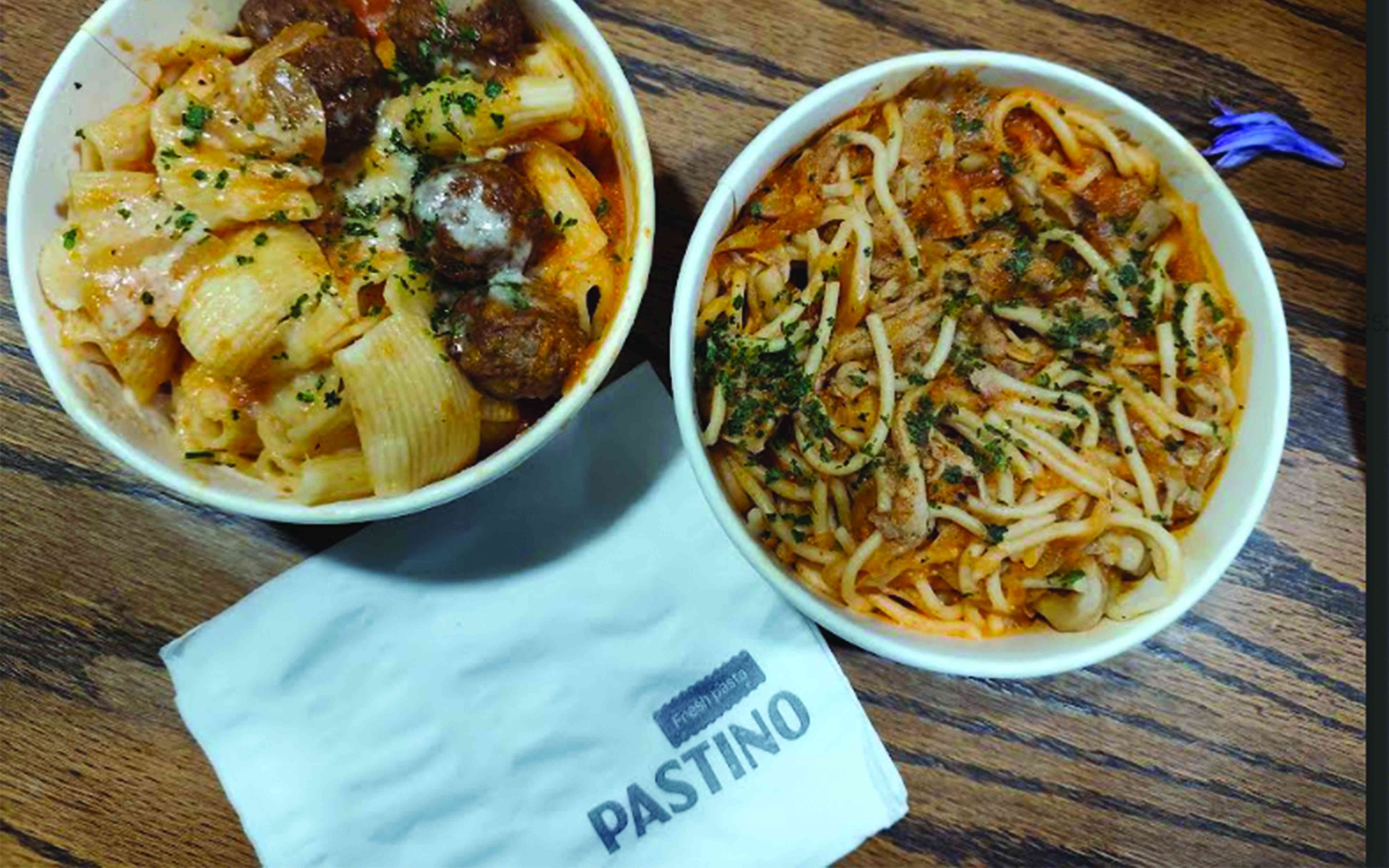
PASTINO is Innscor’s latest culinary venture — a bold attempt to bring pasta into Zimbabwe’s mainstream dining scene.
And frankly, it is a concept worth rooting for. In a market dominated by the familiar chicken-and-chips combo, a local chain offering affordable, convenient pasta feels like a welcome departure.
On paper, it is a strong idea: pasta is hearty, versatile and approachable, while still offering room for creativity as customer tastes evolve.
But pasta is an unforgiving dish. It does not bend to shortcuts or branding polish. Overcook it, and the meal collapses. Undersalt it, and no sauce can save it. That is the tightrope Pastino walks — and where the gap between concept and execution begins to show.
A strong concept
There is much to admire about the idea. Pasta suits Zimbabwe’s growing appetite for quick, value-driven meals while offering something different. It is approachable for diners new to Italian-style dishes but flexible enough to adapt to local and seasonal flavours.
The pricing makes sense, too — Pastino’s affordability is an act of good timing in a tight economy. Beyond the economics, there is cultural significance.
For many customers, this might be the first regular experience of pasta outside of a homemade macaroni bake. That exposure matters, it broadens palates and helps redefine what “normal” everyday food looks like for students, professionals and busy commuters.
- CTC approves six mergers
- CTC approves six mergers
- Shelter Afrique lays out Zim game plan
- Currency crisis haunts listed firms
Keep Reading
Convenience is another strong card. The chain format promises consistency, easy accessibility and quick service. The branding is clean, modern and approachable — designed to make pasta feel like a comforting meal for any day, not a luxury splurge. It is a thoughtful, well-intentioned effort that deserves to succeed.
Where it falters
Where Pastino stumbles is in the basics — the pasta itself. Too often, it is overcooked, soft to the point of collapse. Pasta is not meant to be mushy; its bite is its backbone.
Al dente is not a European affectation — it is a functional necessity, the structure that lets a dish hold together. When that is lost, no amount of sauce can compensate.
And about those sauces: they mostly taste flat and underdeveloped, as if they were assembled rather than cooked.
The difference between a simmered, balanced sauce and one that is simply heated is immediately clear. Great sauces need time, tasting and adjustment — none of which can be rushed. At Pastino, the flavours feel close to right but stop just short of complete.
A visit to Borrowdale
A recent visit to the Borrowdale branch at 6:30pm — a busy weekday dinner hour — revealed both the promise and problems of the brand.
The Beef Ragu, a signature dish, was already sold out. That is more than bad luck; it is a missed opportunity at peak service time when reliability builds reputations.
I opted for the chicken mushroom spaghetti and the meatballs with riga instead. The meatballs were a highlight — tender, juicy and well-seasoned, clearly made with care.
But the pasta beneath them was clumped and uneven, lacking that smooth separation that signals proper cooking. The seasoning leaned heavily on onions, which overpowered everything else.
Most disappointing was how the components did not “speak” to each other. The sauce and pasta felt like separate ideas rather than a single composition.
In truly satisfying pasta, the sauce should cling, not pool. Here, it simply coexisted.
The chicken mushroom spaghetti fared no better. The choice of oyster mushrooms over button mushrooms dulled the flavour, trading earthy richness for a faint woody note.
The chicken pieces were scarce, leaving the dish feeling unbalanced — and to my surprise, the sauce tasted nearly identical to the one from the meatball dish. When distinct menu items blur into one flavour profile, variety disappears, and so does curiosity to return.
On a brighter note, the packaging was impeccable — neatly packed, leak-free, and convenient for takeaway. For a chain courting busy diners that focus on functionality is spot-on.
Growing pains, real consequences
It is only fair to acknowledge that Pastino is still new. Building consistency across multiple outlets takes time — training staff, standardising recipes, and enforcing quality control is not easy. But customers pay for results, not potential. Good intentions do not redeem soggy noodles. The real challenge is avoiding the “chain trap”: putting speed above craft.
Pasta, unsuch as fries or chicken strips, demands precision — timing, seasoning, texture and sauce development all matter. Treat it like ordinary fast food, and that is exactly how it will taste.
Why it matters
This is not just about one brand — it is a reflection of where Zimbabwe’s food culture is heading. As new local concepts emerge, innovation should be encouraged, but not blindly applauded. Constructive criticism is part of growth.
Pastino is chasing the right vision: accessible, satisfying and locally rooted casual dining. It has the right bones — a clear identity, reasonable pricing and cultural resonance.
What it needs now is discipline: tighter kitchen control, more flavour precision, and a firmer hand on the cooking fundamentals.
If Pastino can align its execution with its ambition, it could redefine what “fast food” means in Zimbabwe — proving that convenience and craft do not have to be opposites. Because in the end, intention matters. But in food, flavour always wins.
Muzamhindo is a young, passionate chef with over seven years of experience in professional kitchens. Her love for food began at the tender age of two and has since evolved into a refined culinary career defined by precision, creativity, and excellence. A natural perfectionist, she is meticulous in the kitchen, thrives under pressure, and has a deep appreciation for exceptional food. She earned her Diploma from the prestigious South African Chefs Academy in Cape Town, South Africa, and later completed her Advanced Diploma at the Culinary Arts Academy in Harare, Zimbabwe, qualifying as a Level 3 Advanced Chef. Muzamhindo’s expertise spans a wide range of culinary disciplines, including indigenous ingredient innovation, fine dining and gourmet cuisine, gluten-free and vegan dining, food health and safety, as well as food research and development. — Chefruwa@ chefruwa.com