
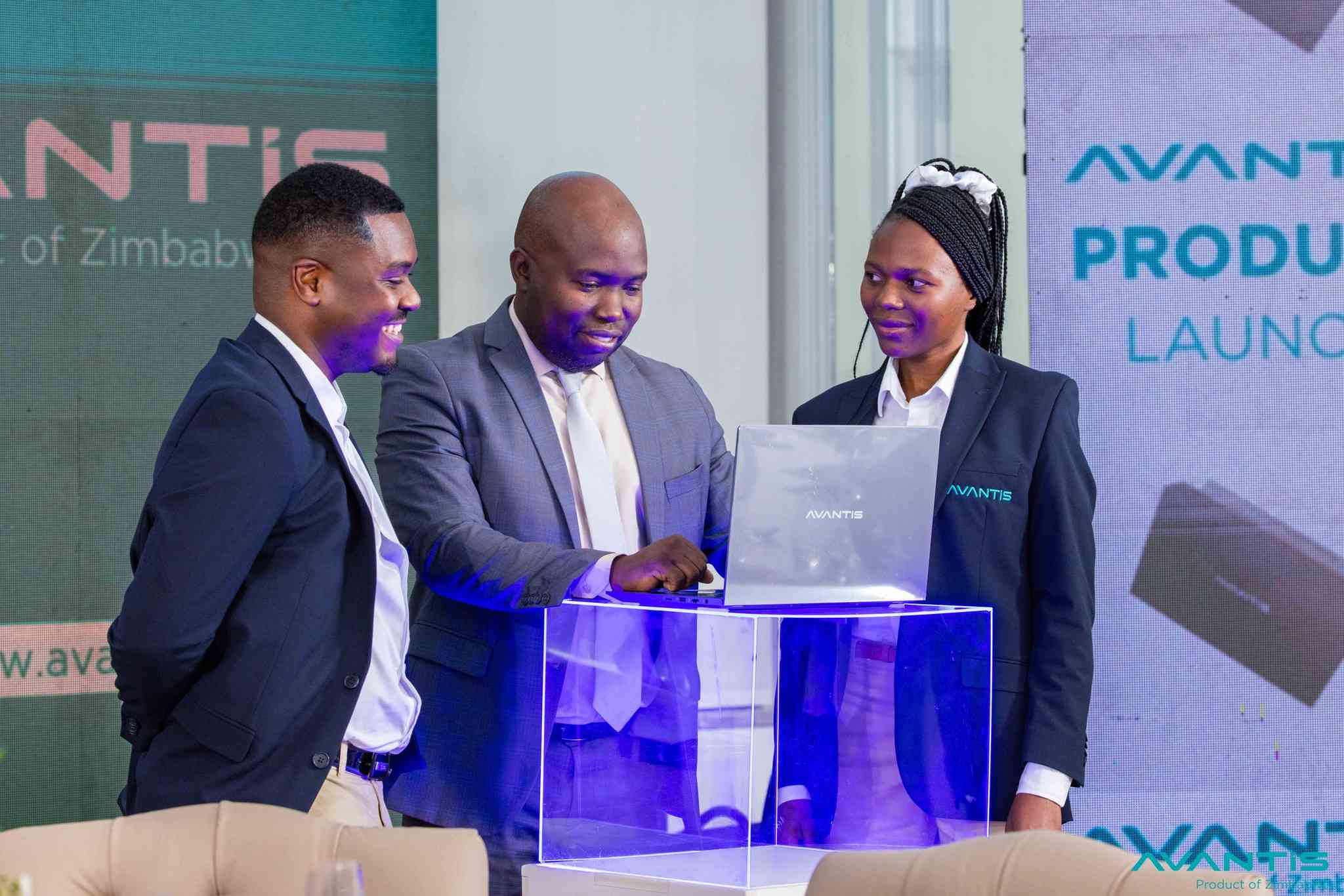
LAST week, local technology firm Avantis Technologies unveiled the Avantis Parrot 1030i laptop, a product designed and assembled locally to meet international standards.
At first glance, it may appear to be just another product launch. In reality, it represents something far greater — a statement that Zimbabwe and Africa can participate meaningfully in the global technology industry rather than remain perpetual consumers of imported innovation.
Founded in 2016 by Ari Goldstein, Avantis manufactures laptops, tablets, desktops and television sets, while also pursuing a listing on the Victoria Falls Stock Exchange. The company’s ambitions stretch beyond Zimbabwe’s borders, with plans to supply markets across South Africa, Zambia, Nigeria, Kenya, Rwanda and other African countries.
For decades, Zimbabwe and much of Africa have spent billions importing technology from Europe, Asia and the United States. While those products have helped drive development, they have also reinforced dependence on foreign innovation. Africa has often consumed technology designed elsewhere, with little influence over how it is developed, priced or adapted to local realities.
This is why the emergence of companies such as Avantis deserves serious support from governments, businesses and ordinary citizens alike. Industrialisation in the modern era cannot happen without technology. Effective e-government systems require strong digital infrastructure. Participation in the Fourth Industrial Revolution demands local innovation, technical skills and manufacturing capacity.
Avantis is attempting to contribute towards that future. Beyond producing devices, the company is looking to establish data centres that can help safeguard Africa’s data sovereignty at a time when data has become one of the world’s most valuable resources. It is also investing in local artificial intelligence models trained on African languages, cultures and experiences. Technology becomes far more relevant and effective when it understands the communities it is meant to serve.
The benefits of supporting such initiatives are huge. Local manufacturing creates jobs, develops technical expertise and strengthens the country’s industrial base. It also keeps more value within the economy instead of exporting wealth through endless imports.
Governments across Africa must therefore create an enabling environment for ICT investment and innovation. This includes improving the ease of doing business, modernising legislation, strengthening digital infrastructure and expanding connectivity. Public procurement policies should also prioritise local innovation where possible. Since government is among the country’s largest buyers, supporting locally-produced technology could significantly strengthen companies such as Avantis.
- From Harare to the world: Avantis charts bold technology expansion
- As Africans, let’s rally behind our own innovators
Keep Reading
The company’s growth projections demonstrate its potential. Avantis plans to produce about 318 000 laptops annually and has the capacity to manufacture up to 1,5 million units per year.
Zimbabweans must rally behind such initiatives. Global technology giants such as Apple and HP did not become household names overnight. They grew because their ecosystems supported them. If Africans support their own innovators with the same commitment, companies such as Avantis could one day stand among the world’s leading technology brands.