
LAST week, President Emmerson Mnangagwa ordered the publication of the long-awaited Commission of Inquiry report on the sale of state land since 2005, which was led by retired judge Justice Tendai Uchena.
The report exposes widespread illegal land sales, leading to losses estimated at US$3 billion and reportedly fuelling unregulated settlements across the country’s provinces.
However, the order reminds us of similar pronouncements in the past that fizzled into oblivion.
Although this directive, issued through Chief Secretary to the President and Cabinet Martin Rushwaya in a Government Gazette dated May 1, 2026, seems to show urgency on the part of the government, as well as a commitment to transparency and accountability, there is always something worrying about public office.
These transgressions involving land were taking place under the government’s watch.
The Justice Uchena commission’s findings come hard on the heels of yet another inquiry into the affairs of the City of Harare, led by retired judge Justice Maphios Cheda, which unearthed massive corruption, mismanagement and financial irregularities.
The illegal land sales, with over 5 000 stands reportedly illegally allocated and about 340 housing co-operatives illegally regularised ahead of the 2023 elections, are only the tip of the iceberg.
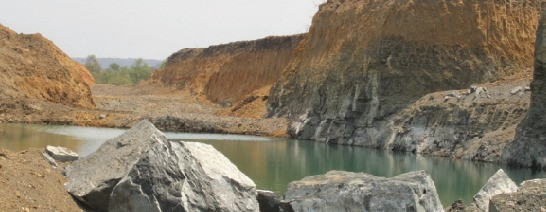
Harare City Council subsidiaries — Harare Quarry and Rufaro Marketing — were also put in the spotlight for failing to remit profits and for the non-submission of accounts.
- Attempt to corner top judge hits brick wall
- Supreme Court dashes ChiTown hopes
- Matanda-Moyo lands Prosecutor-General’s post
- SI 162: Too little, too late?
Keep Reading
There might be cheers over making the Justice Uchena report public, but nothing might move beyond that, the same fate that the Harare report eventually faced.
Culprits in the sale of state land are not from Mars. They are known land barons and politically-connected individuals who have amassed vast wealth from the sale of this finite resource.
Sadly, the individuals who bought the land are not yet being talked about. These poor citizens, driven into the deals owing to the government’s failures, might endure losses should the structures they erected face demolition.
We all know that central government, through local authorities, is responsible for allocating residential stands, but this is a duty it has long abdicated as housing waiting lists balloon to unmanageable levels.
It is not surprising that the land barons and politically-connected individuals involved in these land deals may still go scot-free. They are known, and some enjoy proximity to power, making it very difficult to pin them down.
In a country such as Zimbabwe, where citizens endure poverty and inequality while lawlessness reigns supreme and is rewarded, at times handsomely, criminals continue to amass wealth while law enforcement snoozes.
On the other hand, the clean and upright are punished on top of their suffering, as their properties often face demolition.
We do hope, though against hope, that the government will start taking reports of commissions it sets up seriously.