
Two years ago, in an economic update on Zimbabwe, the World Bank painted a grim picture of the country’s power situation. It projected that Zimbabwe’s electricity demand would rise from 1 950 megawatts (MW) to 5 177MW by 2030.
These figures should prompt the government into urgent action. The signs are clear that without action, the country will face big problems in a few years. The World Bank rarely misses the point.
Zimbabwe is pursuing upper middle income status by 2030. State media reported earlier this week that the government has set an ambitious target to electrify all schools and clinics by the end of this year. Whether authorities — who have yet to make noticeable investments toward this goal — will achieve this milestone remains uncertain.
Even so, 2030 is fast approaching, and guaranteeing universal access to electricity — a key feature of upper middle-income economies — risks remaining a mirage.
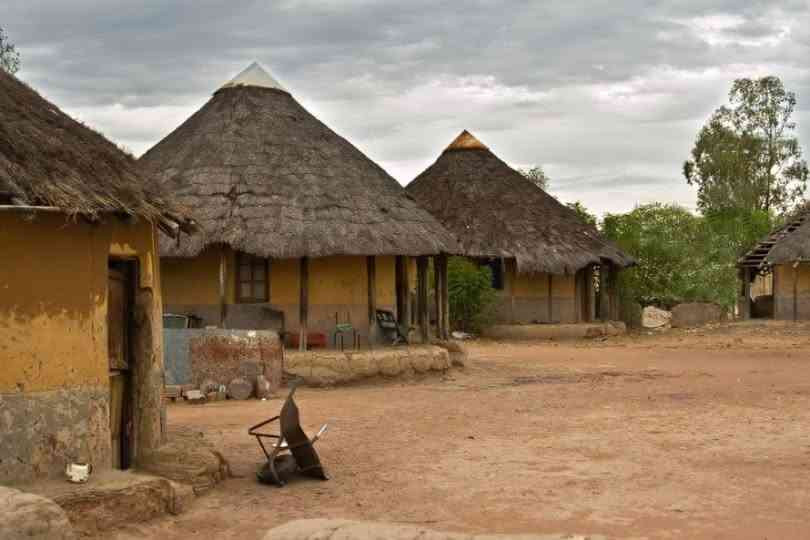
Government must immediately put its shoulder to the wheel and mobilise large scale investment to upgrade existing infrastructure and develop new energy sources to ensure universal access to clean, affordable power, including in the most affected rural areas.
It is against this backdrop that the region is hosting the 2026 Sadc Sustainable Energy Week in Victoria Falls from February 23 to 27. It is a great initiative. The event aims to explore innovative energy solutions, financing models, and the integration of renewable energy sources.
Power deficits have long been among the biggest constraints on industrial production, particularly in the energy intensive mining sector.
Apart from a few initiatives — such as the 13,9MW solar project by Caledonia Mining Corporation and the 45MW Selous solar plant developed by Zimplats — most mining operations still rely on unreliable and expensive electricity supplies. This significantly erodes operating margins and undermines feasibility assessments for expansions and new projects.
- Outcry as Chinese miners scoop precious stones from Malawi communities
- Outcry as Chinese miners scoop precious stones from Malawi communities
- Lessons on how to resist the devil
- IPP doubts Zim judiciary . . .pursues foreign verdict in US$9m Zesa standoff
Keep Reading
Given these realities, the Sadc Sustainable Energy Week must not be reduced to another talk show. It should serve as a serious business platform focused on accelerating the region’s transition from coal and petroleum to clean, renewable energy sources.
Coal-fired power plants contribute heavily to greenhouse gas emissions. Expanding renewable energy adoption would therefore strengthen the country’s climate change mitigation efforts. It is essential that government, industry, universities, and technical colleges intensify investment and research in this critical sector.
Zimbabwe cannot achieve upper middle income status without making energy both accessible and affordable for all citizens. The 2026 Sustainable Energy Week must not be merely an event. It must mark the beginning of deliberate policy action that stimulates sustained investment in renewable energy solutions.