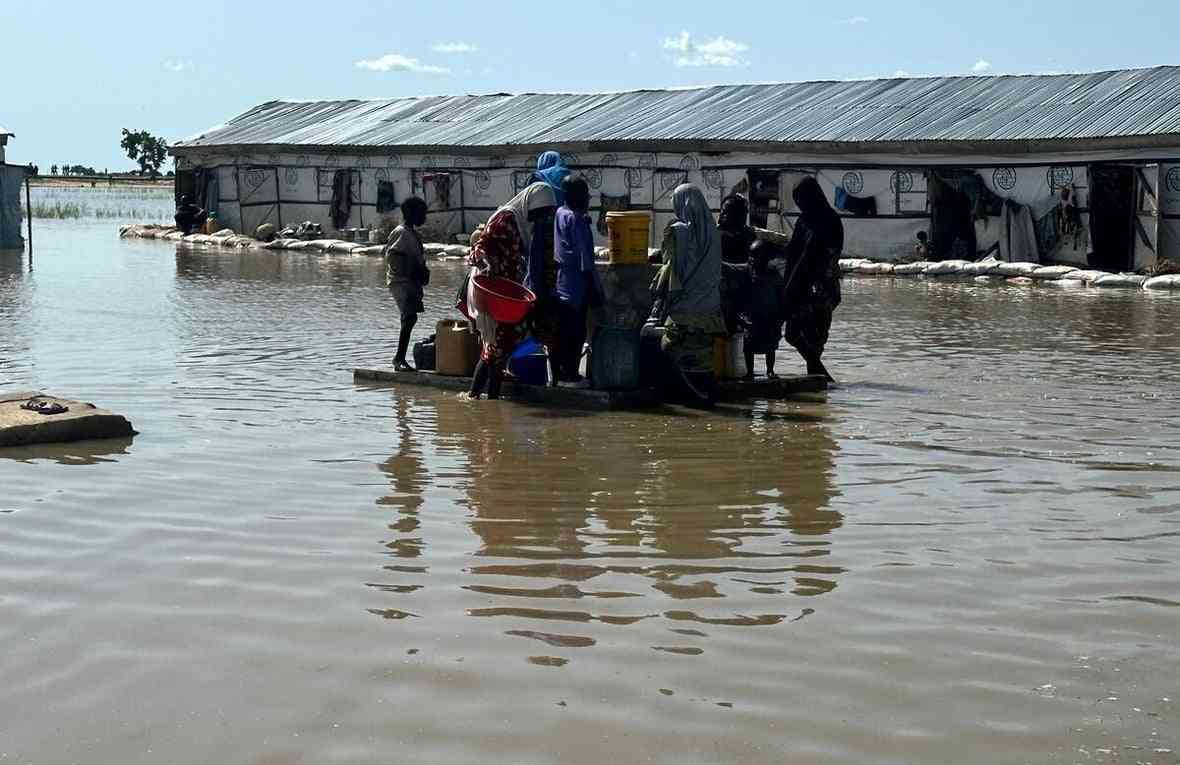
AS the Meteorological Services Department and the Department of Civil Protection (DCP) warn of possible flooding as more rains fall this week, it is important that citizens, particularly those in low-lying and flood-prone areas, take heed.
For such warnings to be effective, the same messaging must reach even the remotest parts of the country. This underscores the need for authorities to diversify the platforms they use to disseminate information.
It is encouraging that the DCP has indicated it is prepared for any flood-related eventualities.
However, history tells us that such assurances sometimes exist only on paper and not on the ground. All levels of the DCP must, therefore, remain on high alert and maintain a visible presence in flood-prone areas.
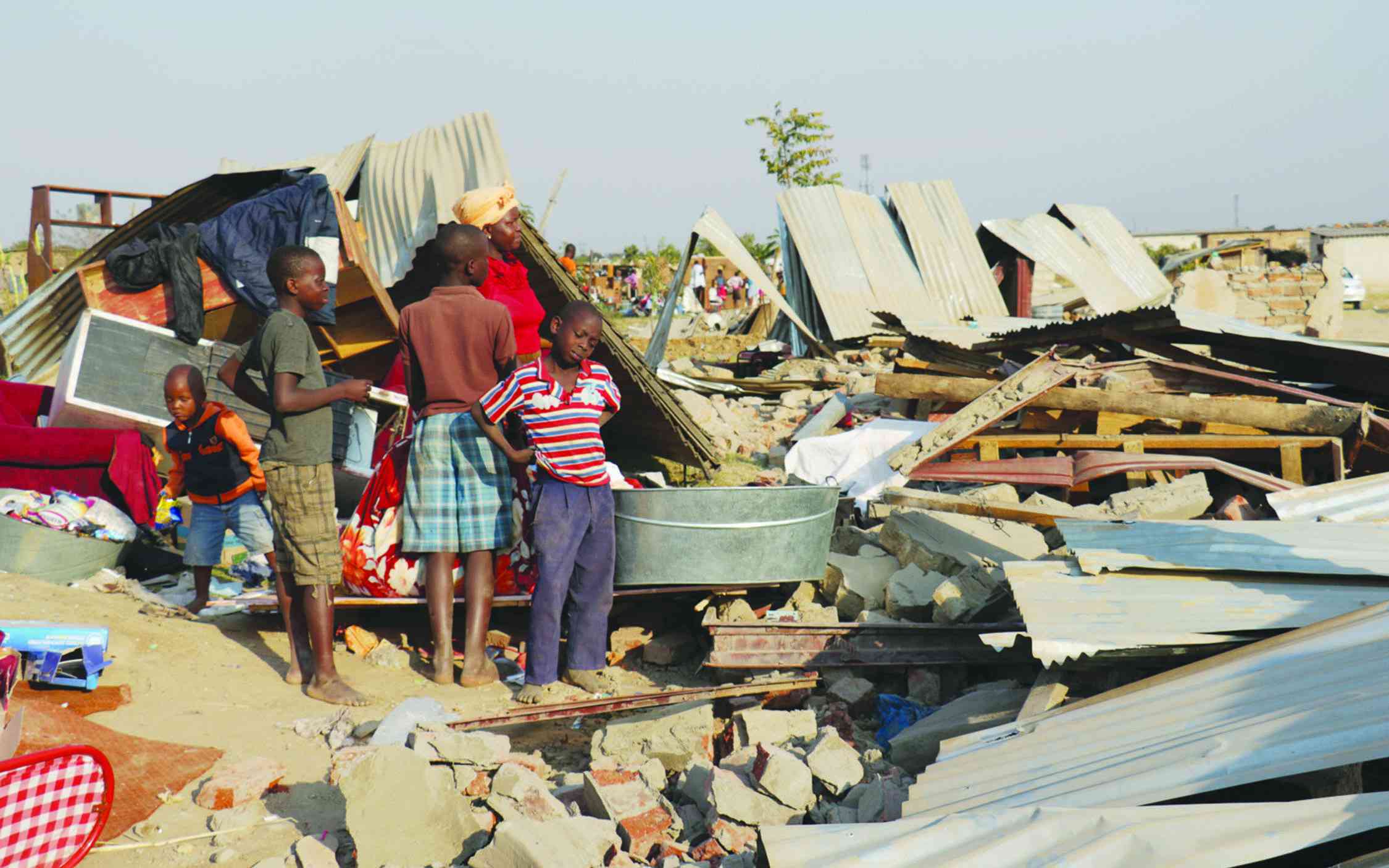
Already, the DCP reports that 74 lives have been lost due to torrential rains, while damage to critical infrastructure, including schools, bridges and health facilities, is estimated at more than US$107 402.
The case of women reportedly marooned on an island while fishing on the Mberengwa River in Mberengwa District, Midlands province, is telling. It suggests that warnings of heavy rains and the risk of flooding may not have reached every corner of the country.
Such gaps in information dissemination are unacceptable in an increasingly digitised world. Local DCP structures must be capacitated to use fast, reliable communication methods with the widest possible reach and to do so timeously.
On a positive note, the Red Cross Society, which has traditionally provided critical support during emergencies, has reportedly activated its teams nationwide to ensure a rapid and coordinated response following the flood warnings.
- Matiza’s widow in estate wrangle
- SA insurer targets Zim after US$2.4 million payouts
- Addressing climate change the green building way
- Hit hard by storms and forest loss, Zimbabweans building stronger homes
Keep Reading
It is hoped, however, that the DCP has fully internalised the lessons from Cyclone Idai in March 2019.
During that disaster, bridges and roads leading to affected areas were destroyed, while poor weather conditions grounded helicopters.
In Chimanimani, it took days for emergency assistance to reach desperate communities as access routes remained impassable.
That tragedy claimed more than 344 lives, mainly in Chimanimani, while hundreds of others went missing, likely swept away by floods or buried under landslides.
A police station and a shopping centre were flattened, and vital infrastructure was destroyed.
These are experiences that must never be repeated. Timely, accurate information must reach citizens, and emergency services must be adequately equipped and capacitated.
This time around, authorities must ensure that those who need help may be accessed at all costs with food supplies, medicines, tents and other key material support that might be needed.
That means adequate critical resources, including key personnel, must be availed promptly to avert or minimise disaster where it strikes.