ZIMBABWE’S 2026 national budget was presented with a renewed focus on economic recovery, fiscal stability, and boosting local enterprise competitiveness.
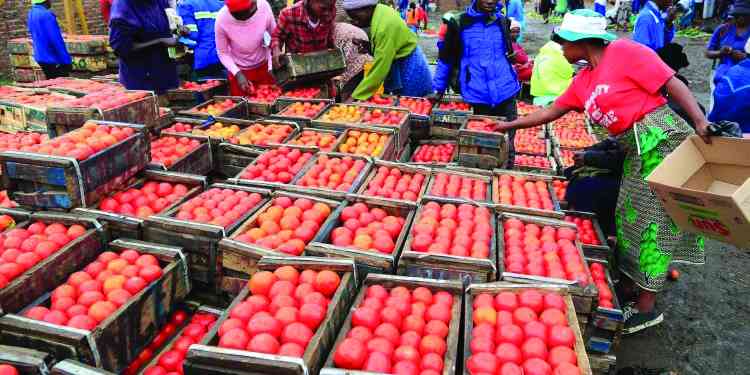
For small and micro-businesses which dominate the informal and formal economy, particularly in rural areas, the budget offers a mixture of promising incentives and potential challenges that could determine whether these enterprises thrive or struggle in the year ahead.
The Ministry of Finance, Economic Development and Investment Promotion projects GDP growth of 5% in 2026, supported by normal to above-average rainfall, stable mineral commodity prices, and lower fuel costs.
These factors are expected to stimulate production, increase consumption, and improve operating conditions for businesses across sectors.
The government has pledged tight fiscal discipline to ensure currency stability: A key concern for small-scale traders, who often face exchange rate volatility. Additionally, foreign currency inflows reached US$12 billion during the first nine months of 2025, and exports and imports totalled US$7 billion, suggesting opportunities for rural entrepreneurs engaged in agro-processing or value-added production to access both domestic and export markets.
A current account surplus of US$961,3 million (January–September 2025) further points to improving macro-economic conditions.
Several tax measures directly affect small to medium enterprises (SMEs) and micro-businesses. Notably:
Intermediated Money Transfer Tax (IMTT) on Zimbabwe dollar transactions reduced from 2% to 1,5%, which could ease digital transaction costs for small businesses using mobile and online payment platforms.
- Trophy hunting drives African lion into extinction
- Prove how we ‘rig’ polls: Zec
- Experts downbeat as Ncube cuts GDP forecasts
- CCC youths camp at Chin‘ono home
Keep Reading
VAT increase from 15% to 15,5% from January 2026 may raise costs for consumers, potentially impacting sales volumes for small traders.
Harmonisation of gold royalties and liberalisation of gold trading primarily benefits the mining sector but may indirectly affect SMEs supplying goods and services to the industry.
Removal of customs duty on raw materials, such as steel coils and plates used in local gas cylinder manufacturing, presents opportunities for small-scale manufacturers to lower production costs.
Tax incentives for a 24-hour economy and business process outsourcing/knowledge process outsourcing (BPO/KPO) sectors could create new service opportunities for SMEs that can tap into after-hours markets or digital outsourcing services.
As a result, while SMEs may benefit from lower IMTT costs and selective exemptions, increased VAT and other fiscal measures could create short-term pressure, especially for businesses operating on tight margins.
The 2026 national budget emphasises regulatory reforms: reviewing licensing frameworks to reduce administrative bottlenecks and improving the ease of doing business. For micro-entrepreneurs and rural traders, these reforms could make formal registration more accessible, reduce compliance costs, and encourage integration into the formal economy.
For example, in the case of a small agro-processor operating in a rural area and has long struggled with complex licensing requirements; with simplified licensing and support for formalisation, the agro-processor could expand operations, access credit, and engage in wider distribution channels.
In another scenario where a micro-business processes maize into flour for local markets; removal of customs duties on steel plates reduces equipment costs for small manufacturers.
By leveraging on government-backed credit and simplified licensing, the micro-business could increase production efficiency, expand storage capacity, and create new jobs in the community.
For micro street vendors, for example those who sell cooked meals along busy highway roads, the IMTT reduction on local transactions reduces costs for mobile money payments, enabling them to offer better prices to customers.
Access to business development training under the government’s 24-hour economy incentives could help micro and small enterprises formalise and upscale to nearby markets.
While urban traders (such as the street vendors) benefit from IMTT reductions, the VAT increase to 15,5% may raise the retail price of goods, potentially impacting consumer demand. Urban micro-businesses must adapt pricing strategies to maintain competitiveness.
Various positive perspectives have been trending on social media in response to the 2026 national budget including: “The reduction of IMTT on local transactions is a step in the right direction for micro-businesses heavily reliant on mobile payments. But the VAT increase poses a challenge that will require strategic adaptation by small operators”. “Simplifying licensing and encouraging formalisation are long overdue. SMEs and micro-enterprises can thrive if policy implementation is consistent and accessible.”
“If the government implements these reforms effectively, small businesses like mine could finally grow beyond the local market. But support must reach the rural areas, not just Harare.”
The 2026 Zimbabwe national budget presents several opportunities and challenges for businesses and the broader economy. On the opportunities side, reductions in the import management and trade tariff are expected to lower transaction costs, while tax incentives encourage business expansion and support 24-hour operations.
Local manufacturers stand to benefit from easier access to raw materials at reduced costs, and reforms aimed at simplifying licensing and improving ease of doing business are likely to enhance the investment climate.
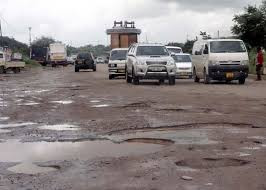
However, challenges remain. The proposed VAT increase may dampen consumer demand, and SMEs will need to navigate persistent inflation and cost pressures. In addition, gaps in rural infrastructure —particularly electricity, internet connectivity, and transport — may limit the reach of these benefits, while access to credit and digital literacy continue to pose critical barriers for many enterprises.
To ensure that the 2026 national budget translates into tangible gains for SMEs and micro-businesses, particularly in rural areas, policymakers should focus on several key strategies.
Support for SMEs must be decentralised, ensuring that credit facilities, training, and advisory services reach districts such as Mutare. Licensing reforms should be scaled for micro-businesses, with registration and compliance fees adjusted according to business size to reduce barriers to formalisation.
Investment in rural infrastructure, including reliable power, roads, and internet connectivity, is essential to enable businesses to operate efficiently and expand.
In addition, promoting digital adoption through mobile money, online payments, and digital bookkeeping training will empower rural micro-enterprises to participate fully in the modern economy.
Finally, tax reforms should be carefully balanced, with measures such as temporary relief or exemptions for small traders to mitigate potential negative impacts of the VAT increase.
Zimbabwe’s 2026 national budget carries potential to strengthen SMEs and micro-businesses, especially through regulatory reforms, transaction cost reductions, and targeted tax incentives.
However, its success will depend on implementation, rural accessibility, and complementary structural support. For entrepreneurs in rural areas, the budget could unlock opportunities for growth, job creation, and financial inclusion (provided the government follows through with effective and inclusive policies).
The table below summarises the 2026 Zimbabwe budget measures and their potential impact on SMEs and micro-businesses.
- Dr Chirima is an entrepreneur and a seasoned academic, a holder of a Doctor of Business Administration with Binary University, Malaysia whose research focus is financial planning. She is a lecturer in the Accounting and Finance Department at Africa University in the College of Business and Management Sciences. She writes in her personal capacity— [email protected], +263772811598.