International financial institutions have sharpened their focus on power sector reform and regional integration under Mission 300, an ambitious programme aimed at connecting 300 million Africans to electricity by 2030.
If achieved, the target would reduce the continent’s energy access deficit by nearly half within five years.
Led by the World Bank Group and the African Development Bank (AfDB), Mission 300 is positioning itself as more than an access drive. It is structured as a reform-linked financing platform designed to crowd in private capital, strengthen utilities and accelerate cross-border power trade under an integrated regional market model.
Africa remains home to roughly 600 million people without electricity, according to development finance estimates, with Sub-Saharan Africa accounting for the overwhelming majority. Mission 300 seeks to address these structural barriers.
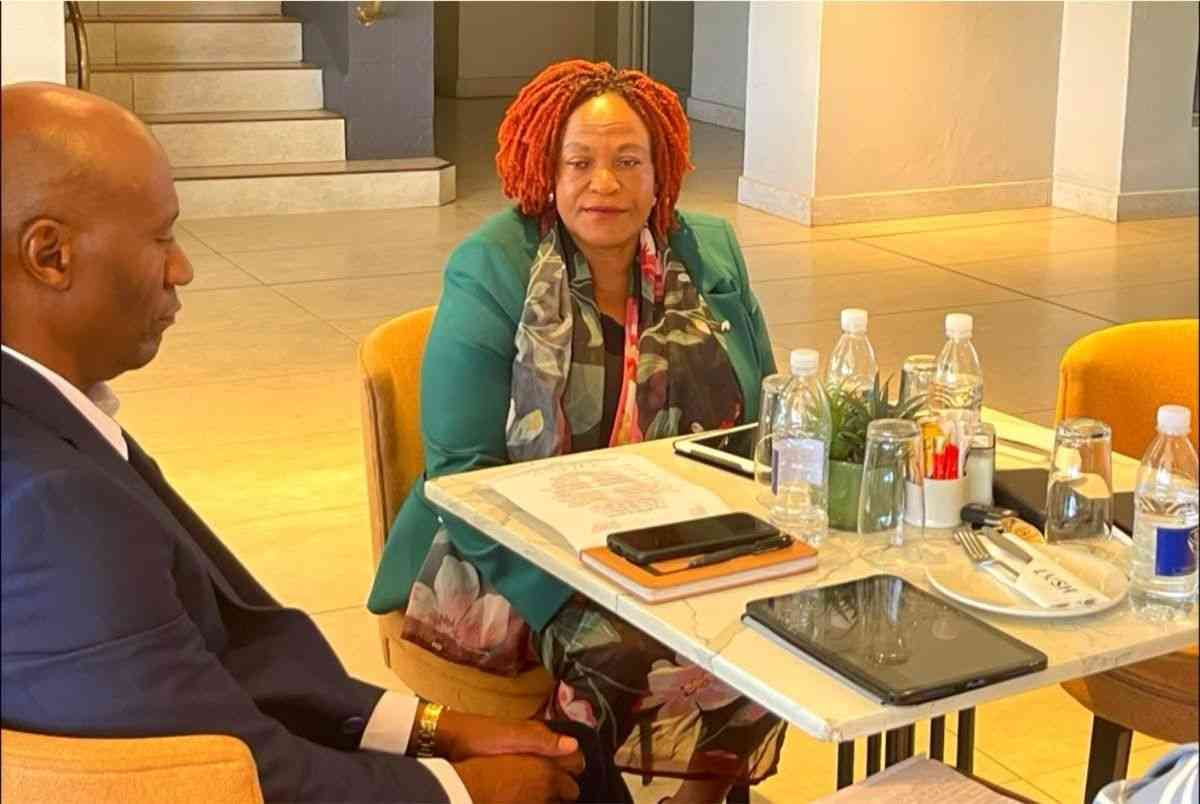
Speaking at the Sadc Sustainable Energy Week here, World Bank lead energy specialist Nadia Taobane underscored the centrality of regional integration in lowering system costs and enhancing resilience.

Sadc Sustainable Energy Week is a regional forum where stakeholders discuss strategies for enhancing energy security, expanding access to clean and affordable energy and fostering investment in renewable technologies.
The event concludes today, is running under the theme “Driving Regional Economic Growth through Clean Energy Efficiency”.
“Regional integration is expected to contribute to economic diversification and inclusive job creation across multiple sectors, supported by enhanced regional energy coordination. Leveraging the benefits of increased regional integration is also front and centre in the Dar es Salaam Declaration adopted by the Africa Heads of State Summit in January 2025 in Tanzania,” Taobane said.
- Outcry as Chinese miners scoop precious stones from Malawi communities
- Outcry as Chinese miners scoop precious stones from Malawi communities
- Lessons on how to resist the devil
- IPP doubts Zim judiciary . . .pursues foreign verdict in US$9m Zesa standoff
Keep Reading
“The World Bank is honoured and privileged to support this approach through Mission 300, which, as you heard earlier, is a joint initiative of the World Bank Group, the AfDB and a broad coalition of partners to connect 300 million people in Africa to reliable and affordable electricity by 2030.”
Under the Dar es Salaam Energy Declaration, African governments have committed to key sector reforms that are being implemented through country-led energy compacts.
The World Bank Group is increasing its support for energy projects in Africa, leveraging US$30 billion in International Development Association resources through to 2030, while deploying innovative instruments to mobilise private sector investment.
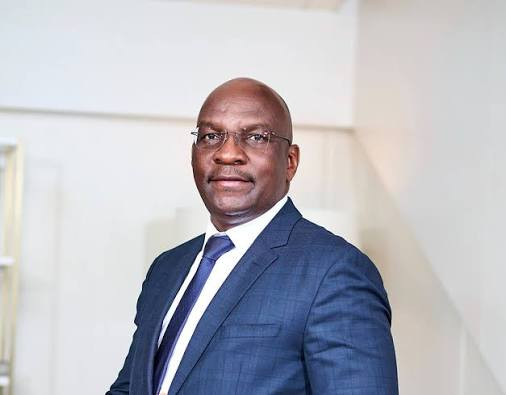
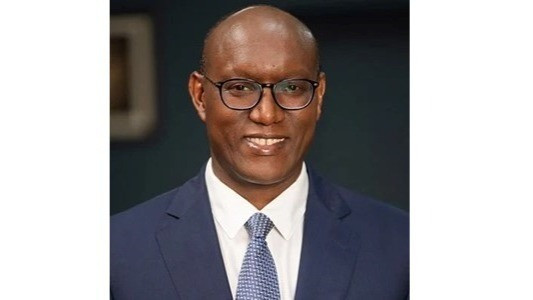
AfDB vice-president for power, energy, climate and green growth Kevin Kariuki said strengthening grid interconnectivity and transmission robustness is pivotal to energy security and advancing the long-envisioned African Single Electricity Market.
“The Mission 300 partners, among them the World Bank, the Rockefeller Foundation and Sustainable Energy for All, are deliberate in ensuring that Mission 300 delivers energy access to an additional 300 million people by 2030, while enhancing energy security and resilience in furtherance of Africa’s development goals.
“I believe that Mission 300 will provide wind in the sails of this dream of the African Single Electricity Market. This is because four of the five underpinning pillars — namely least-cost power expansion planning to engender affordability, regional integration, private sector participation (including in transmission system development) and private financing of transmission systems — are now viable options, especially considering that about 50% of the financing under the energy compacts is expected to come from the private sector,” Kariuki said.
For the region, where the Southern African Power Pool remains one of the continent’s most active trading platforms yet continues to face generation deficits and transmission constraints, Mission 300 is expected to scale up both the pace and volume of investment.