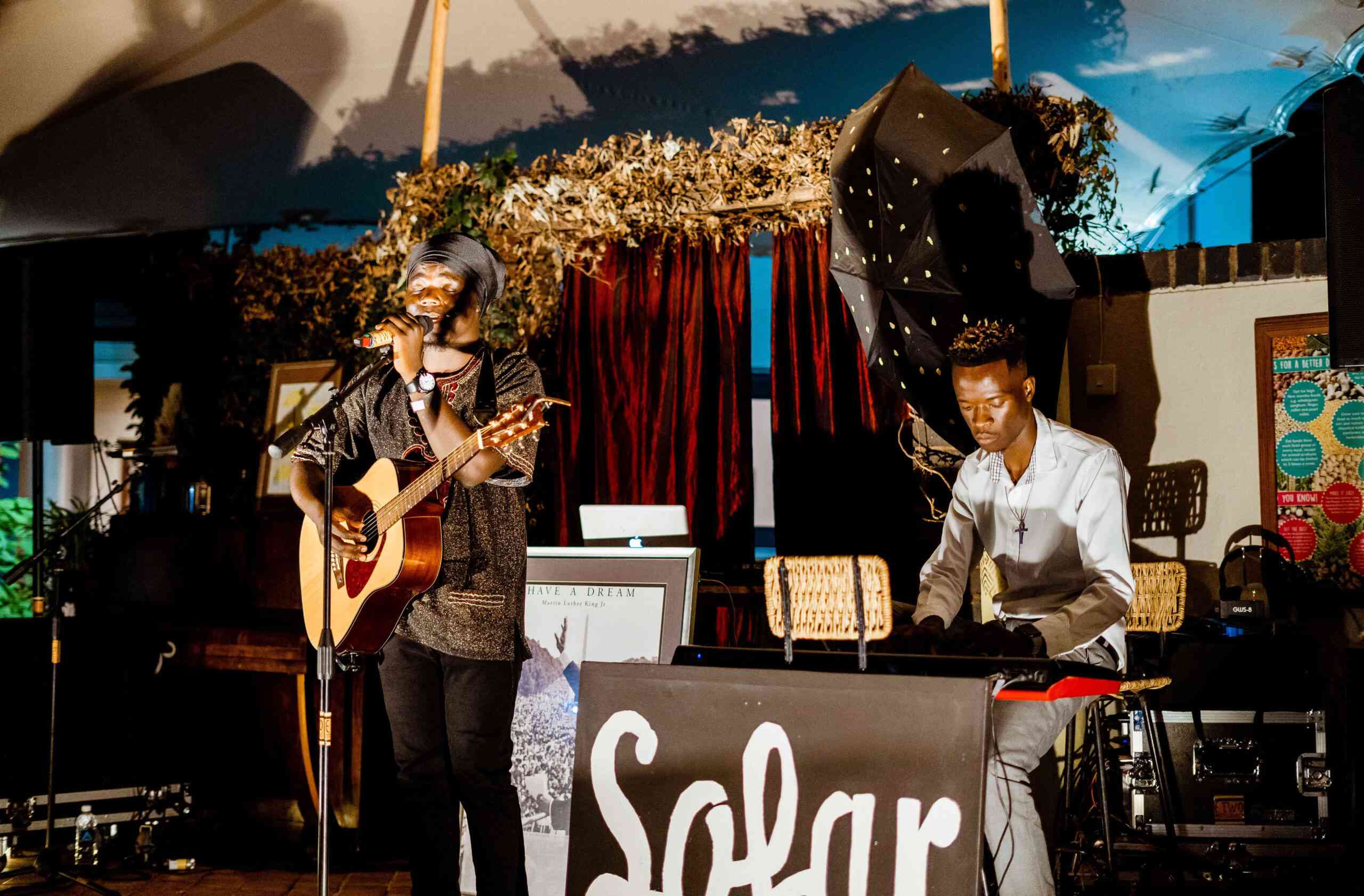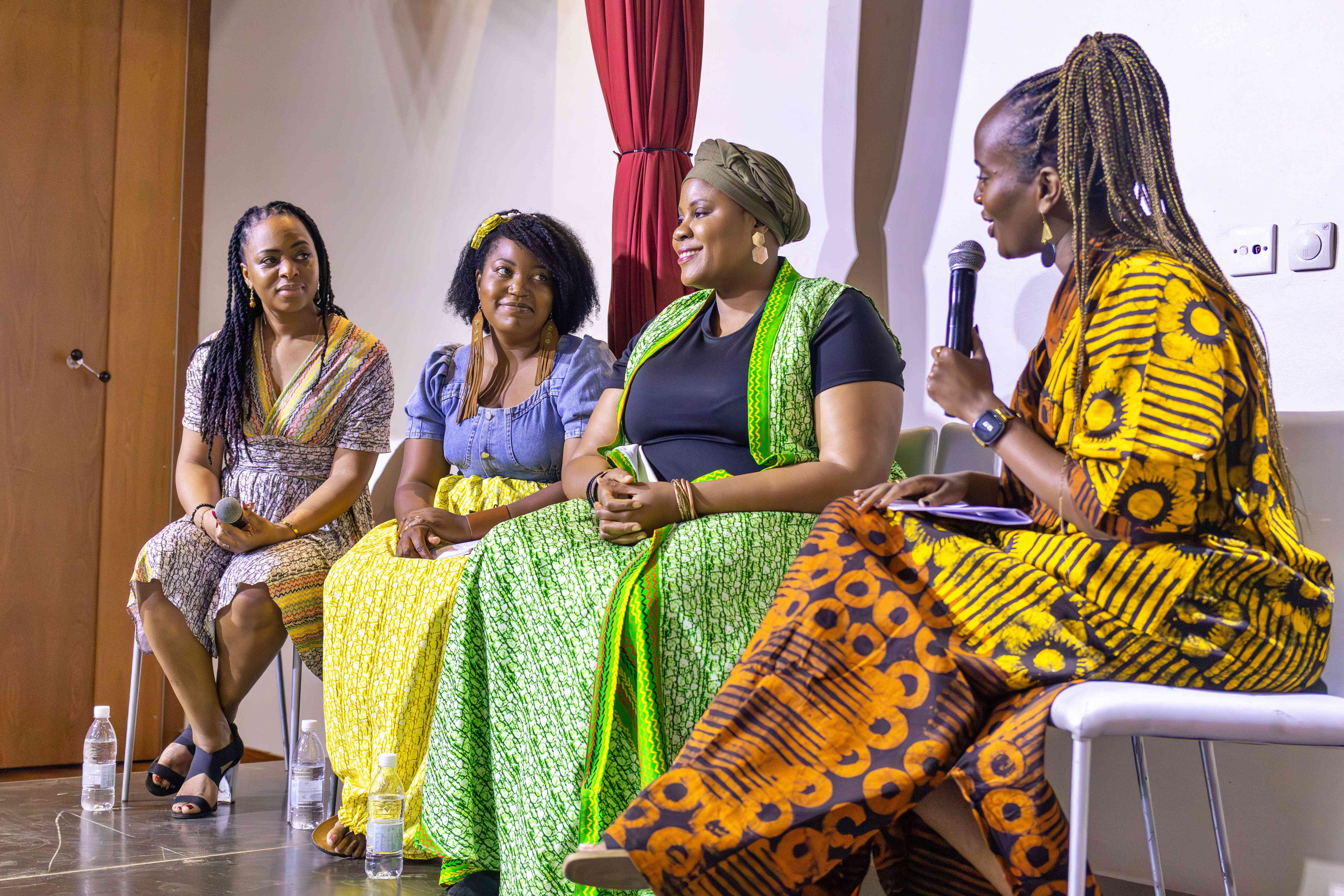
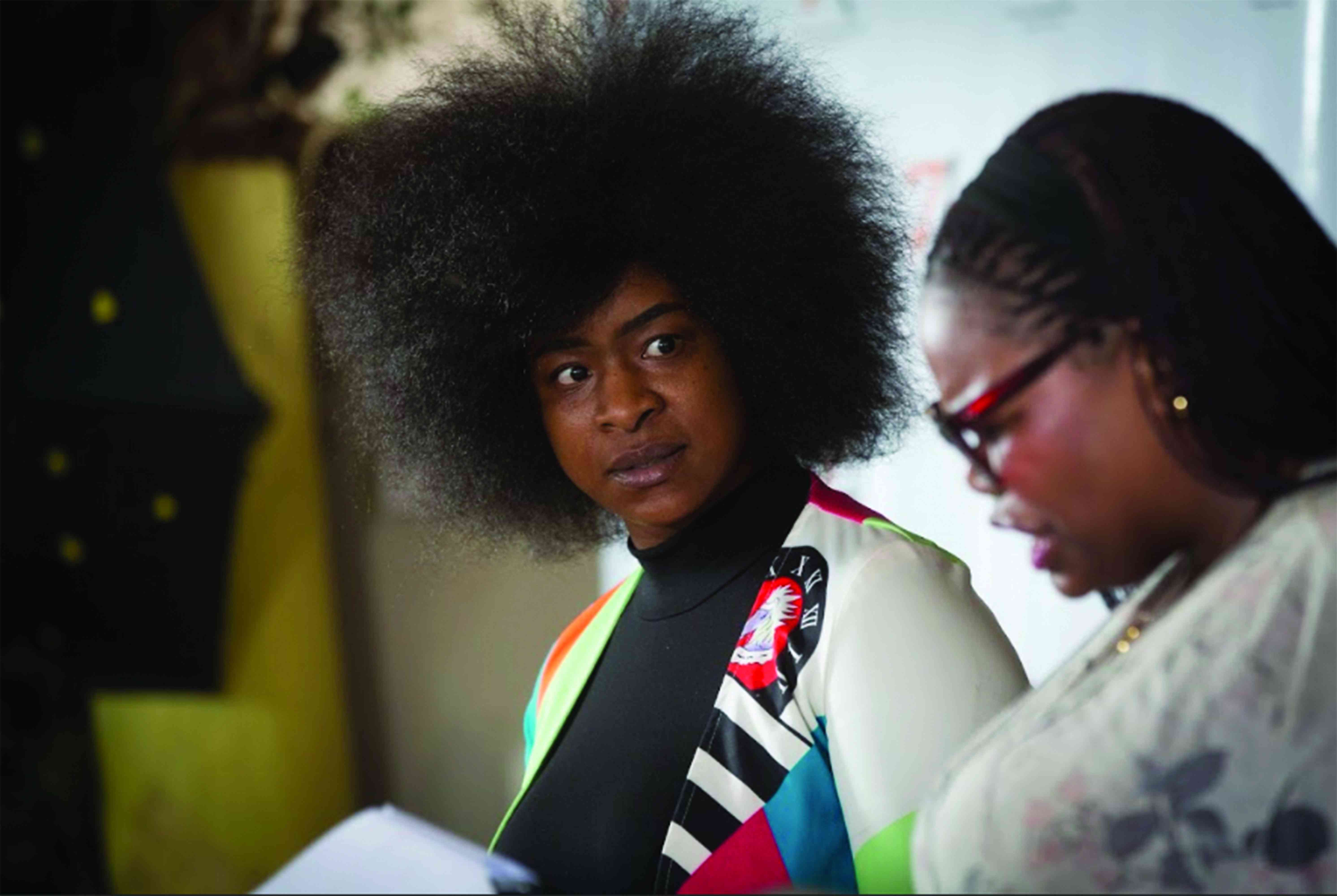
ALMASI Collaborative Arts recently celebrated its 8th African Playwrights Conference with a free, three-day staged reading showcase.
The event highlighted five compelling new plays, featuring the international perspective of South African playwright Philisiwe Twijnstra alongside standout local voices: Cynthia Marangwanda, Jonathan Brakarsh, Tawanda Josh Vombo, and Kudzai Mhangwa.
Hosted from December 8 to 20 at Friendship Bench in Mount Pleasant, Harare, the programme was convened by Tony and Grammy Award-winning producer Mara Isaacs (Hadestown) and Steinberg Playwright Award-winner Ngozi Anyanwu.
They worked alongside Gideon Wabvuta, Almasi’s programme director, to mentor the five playwrights.
This annual play development programme has nurtured over 20 plays since 2015. Selected works progress to a year-long development process, culminating in full productions at Africa Voices Now! A Festival of New African Plays.
In the play ‘Today She Sings the Blues’, music is central to the narrative. The piece marks Almasi’s first foray into a music-themed showcase.
It was written by the award-winning Zimbabwean writer of poetry, plays, and fiction, Mhangwa, and directed by Tadziyana David Bvumbe.
“I am a musician as well, so music is very important to me,” Mhangwa told IndependentXtra.
- ‘Stage readings to widen knowledge horizons’
- Zim creatives get lecture from US film producer
- Almasi brings African Diaspora voices to Harare
- Danai Gurira’s Family Riots to premiere in Zimbabwe
Keep Reading
“I am currently studying opera singing and I also play the piano. I was inspired by musicals and stories centred on the music business. I wanted to tell a uniquely Zimbabwean story set within the music industry,” he added.
Set in a whites-only club in Salisbury, Southern Rhodesia, in the late 1960s, the play follows Georgina George (Min’enhle Mguni), a mandrax-popping, whiskey-drinking jazz and blues singer. She leads an all-black trio preparing for a show while navigating racial tensions and political unrest.
The band comprises pianist Amos (Tanatswa Kumirai), saxophonist Eugene (Ngoni Mpofu), and cellist Bernard (Alder Mbofana), who later rejects his colonial name to become Shandurai.
Brandon Lawrence plays Tom, a manipulative white music executive who wields dual influence as the band’s manager and Georgina’s romantic partner.
Having introduced Georgina to mandrax, he uses her addiction to control her. He grows impatient as her drunken episodes threaten to overshadow her career, especially with a visit from a record label looming.
He demands a flawless performance to propel her into a whites-only band, intending to ditch her current all-black ensemble.
Shandurai, who insists on being addressed by his new indigenous name, is outspoken about current affairs and repeatedly threatens to quit the band to join the liberation war.
Tom warns him that leaving would mean trouble, as he controls Shandurai’s “pass” — the restrictive identification document African men were forced to carry.
This pass controlled their movement, employment, and residence, serving as a core tool of segregation and exploitation. The scene powerfully highlights the oppressive system of the time.
Tom fuels distrust by telling Georgina that her sister, Gabrielle (Deborah Kabongo), who handles her finances, is stealing from her. A confrontation in the changing room leads Georgina to fire her.
Meanwhile, Georgina's troubled relationships crumble. In one scene, when Gabrielle tries to forcibly take away Georgina’s tablets, a high and furious Georgina tragically stabs her in the abdomen with a broken whiskey bottle.
Their mother, Sandra Chidawanyika-Goliath, broken by Georgina’s descent into addiction and arrogance, tries to support her but is pushed away.
Her despair clashes with Georgina’s self-destructive path.
The band teeters on collapse as Shandurai’s activism and Tom’s scheming clash.
With record-label executives set to attend the show, the band fears Georgina’s instability and intoxication will ruin the performance.
They are on edge, dreading a disaster that would reflect badly on them all. Tom’s scheme to push Georgina into a whites-only band hangs in the balance.
‘Today She Sings the Blues’ is laced with humour but also carries strong language in some scenes. It explores powerful themes of manipulation, addiction, classism, and unwavering motherly love.
As tensions rise, Georgina's music becomes a raw expression of her pain.
The play ends with Georgina in a drunken stupor, her voice hoarse and singing off-key:
“The blues ain’t nothing but a woman crying for her man. When she wants some loving I’m sure you women understand. The blues ain’t nothing but a woman in love with a married man. The blues ain’t nothing but being alone in this world.”
Almasi is a Zimbabwe-based arts organisation committed to empowering Zimbabwean and African artists to create and produce professional, world-class, and globally competitive works.
Through training, mentorship, international collaboration, and opportunity, Almasi nurtures the next generation of creative voices and builds Zimbabwe’s arts sector.