DURING the festive holidays, a close relative of mine required urgent medical attention. He had been unwell for days but, like many Zimbabweans, had chosen to suffer in silence.
When the pain finally became unbearable, he sent out an SOS. What followed was a sobering journey through the state of our public health system - one that stripped away any remaining illusions.
Because it was not immediately life-threatening, our first instinct was to seek basic care at a nearby council-run clinic in northern Harare. On arrival, the place was eerily quiet. Growing up, one could smell antiseptic and medicine from outside such facilities. Clinics were symbols of reassurance. Today, they feel abandoned, hollow shells of what they once were. The nurse on duty was polite, professional and painfully honest.
“We can only open a medical record,” she said calmly. “There is no medication - not even paracetamol to ease the pain.”
Our relative paid US$5, was issued with a medical record, and sent into the consultation room. Moments later, he emerged with nothing more than a referral note to Wilkins Hospital. The nurse added a warning: there were hardly any drugs there either.
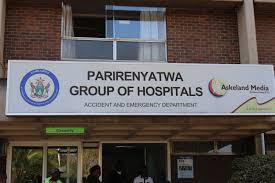
We abandoned that option. It felt futile, a mission destined to fail. With the patient still in pain, we turned to Parirenyatwa Group of Hospitals, relying on family friends, who are doctors there.
They attended to him promptly, professionally and with genuine concern. But once again, the same refrain: no drugs. We were advised to cross the road, buy the medication ourselves from a private pharmacy, and return so treatment could be administered.
This is the reality of Zimbabwe’s public health system in 2026.
- Byo armed robber in court
- Woman jailed 12 years for indecent assault
- Magistrate jailed 3 years for abuse of office
- Zim’s poor batting hands India series
Keep Reading
I share this experience to illustrate just how dire the country’s health situation has become. If this is the experience of someone with contacts, transport and access to cash, imagine the fate of a seriously ill person with none of these advantages. For millions of Zimbabweans, illness has become a potential death sentence, not because treatment is impossible, but because the system has collapsed.
This reality shows that ordinary Zimbabweans who cannot afford private hospitals or overseas treatment are exposed, vulnerable and effectively abandoned. It is a national emergency. Public health facilities must be fixed urgently. Government must move beyond rhetoric and act decisively to restore access to healthcare.
While there have been announcements about upgrading Parirenyatwa and other institutions, priorities remain deeply troubling. Millions of dollars are being poured into swimming pools and cosmetic amenities at nurses’ hostels, while hospitals lack basic drugs, consumables and equipment.
Who truly benefits from these projects? Certainly not the patient writhing in pain, or the nurse forced to apologise for the absence of paracetamol. These choices raise uncomfortable questions about procurement priorities and the influence of cash-rich tenderpreneurs feeding off public funds. People do not need luxuries. They need painkillers, antibiotics, bandages, functioning theatres and reliable diagnostic equipment. That is how taxpayers’ money should tangibly improve lives.
This year, Zimbabwe marks 46 years of independence. Yet our major referral hospitals - Parirenyatwa, Sally Mugabe, Mpilo and United Bulawayo Hospitals – are still largely frozen in time, their infrastructure reflecting decades of neglect.
Why, after nearly half a century, are we still not building new modern hospitals, refurbishing old ones properly, and ensuring consistent supplies of essential medicines? The crisis extends beyond infrastructure. Doctors and nurses are exhausted, demoralised and grossly underpaid.
“I spend hours in theatre every day and work night duty, only to earn US$250 a month. That is an insult,” said one doctor, who requested anonymity for professional reasons. “After years in medical school, we earn peanuts despite the heavy workload.”
And yet, against all odds, health workers continue to show up. They improvise, they sacrifice, and they save lives where they can. Their commitment shames the system that fails them daily.
The new year offers authorities an opportunity to reflect and correct what demands urgent attention.
Hospitals need essential drugs. Health workers deserve dignified salaries. We cannot speak seriously about stopping brain drain while treating highly skilled professionals with such disregard.
This is a new year. It should mark a turning point. Ordinary Zimbabweans are not asking for miracles. They are asking for the basics needed to survive. In any serious nation, that is not too much to ask.