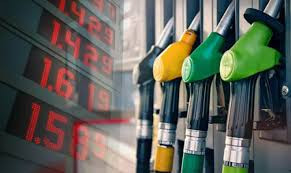
Zimbabweans are once again feeling the strain as fuel prices shoot up to some of the highest levels in southern Africa.
Over the past week, petrol prices have rocketed to US$1,70 per litre, from around US$1,50 previously, as global conflict and supply disruptions rattle already fragile energy markets. Diesel prices have also surged to above US$1,75 per litre.
These increases are not merely numbers at the pump. They are fuelling a worsening cost of living crisis affecting households, businesses and the wider economy.
The latest price shocks are unfolding against a volatile global backdrop. Energy markets remain unsettled by geopolitical tensions, including the ongoing Russia-Ukraine conflict and instability in the Middle East, which has disrupted key shipping routes used by oil tankers. Supply chains that were already weakened by the Covid-19 pandemic have struggled to recover fully, leaving global fuel markets highly sensitive to new shocks.
Domestic factors are also pushing prices higher. Zimbabwe imposes a range of taxes and levies on fuel — including charges linked to strategic reserves and carbon-related costs — which significantly increase the final pump price. The country’s heavy reliance on imported refined fuel further exposes it to global price movements and currency fluctuations.
For ordinary Zimbabweans, the consequences are severe.
Transport operators typically pass rising fuel costs on to commuters, often triggering sharp increases in fares. Higher transport costs quickly ripple through the economy, driving up the price of food and other basic goods as farmers, manufacturers and retailers face rising distribution expenses.
For households already grappling with stagnant wages, the impact is immediate. Disposable incomes shrink as families struggle to afford essentials such as groceries, medical care and school fees. Small and medium-sized enterprises are also under pressure as operating costs rise, threatening business viability and jobs.
- ‘Paltry salaries aching Zim workers’
- Underage, teenage maids sprout in Gwanda
- ‘Paltry salaries aching Zim workers’
- Underage, teenage maids sprout in Gwanda
Keep Reading
Government intervention is urgently required to prevent further erosion of living standards. Authorities should consider targeted relief measures, including rationalising certain fuel levies for critical sectors and vulnerable groups. Greater transparency in the fuel pricing structure would also help improve public understanding of how pump prices are determined.
Much will depend on how long the conflict in the Middle East persists. If tensions ease quickly, some interventions may prove temporary. But if the situation escalates into a prolonged confrontation, the pressure on global fuel markets — and on Zimbabwe’s economy — will intensify.
At the same time, policymakers must cushion workers from the shock. As the country’s largest employer, the government should consider reviewing wages to better reflect the rising cost of living, particularly transport and energy expenses.
High fuel prices pose a serious threat to economic stability, employment and social welfare. Without decisive intervention, the cost of living crisis will deepen, placing even greater pressure on already strained households and businesses.