ARTIFICIAL Intelligence (AI) is rapidly transforming the global economic landscape. Across the world, governments, businesses and institutions are increasingly integrating intelligent technologies into their operations to improve productivity, efficiency and competitiveness.
From advanced economies such as the United States and China to emerging economies across Africa, AI is becoming a central driver of innovation and development. Zimbabwe, like many developing nations, now stands at a critical point where technological adaptation is no longer optional but necessary for sustainable economic growth and global relevance.
The emergence of Artificial Intelligence presents Zimbabwe with both remarkable opportunities and serious challenges. While the country continues to face economic difficulties such as unemployment, infrastructure deficits and industrial decline, AI offers new possibilities for productivity, innovation and economic transformation. However, the benefits of AI can only be realised through strategic planning, investment in digital infrastructure and the development of policies that encourage innovation while protecting social and economic interests.
AI and economic transformation
Artificial Intelligence has the potential to significantly transform Zimbabwe’s economy by improving efficiency across various sectors. In many countries, AI technologies are already being used to automate processes, analyse large volumes of data and support informed decision-making. For Zimbabwe, this could help improve productivity in sectors that are central to national development.
Agriculture remains one of Zimbabwe’s most important economic sectors, supporting livelihoods and contributing to food security.
However, the sector continues to face challenges such as climate change, low productivity and inadequate access to modern farming technologies. AI-powered systems can assist farmers through predictive weather forecasting, precision farming and early disease detection in crops and livestock.
Access to accurate agricultural data can help farmers make better decisions, reduce losses and increase productivity. In the long term, the integration of AI into agriculture could strengthen food security and improve rural economic development.
- Time running out for SA-based Zimbos
- Sally Mugabe renal unit disappears
- Epworth eyes town status
- Commodity price boom buoys GB
Keep Reading
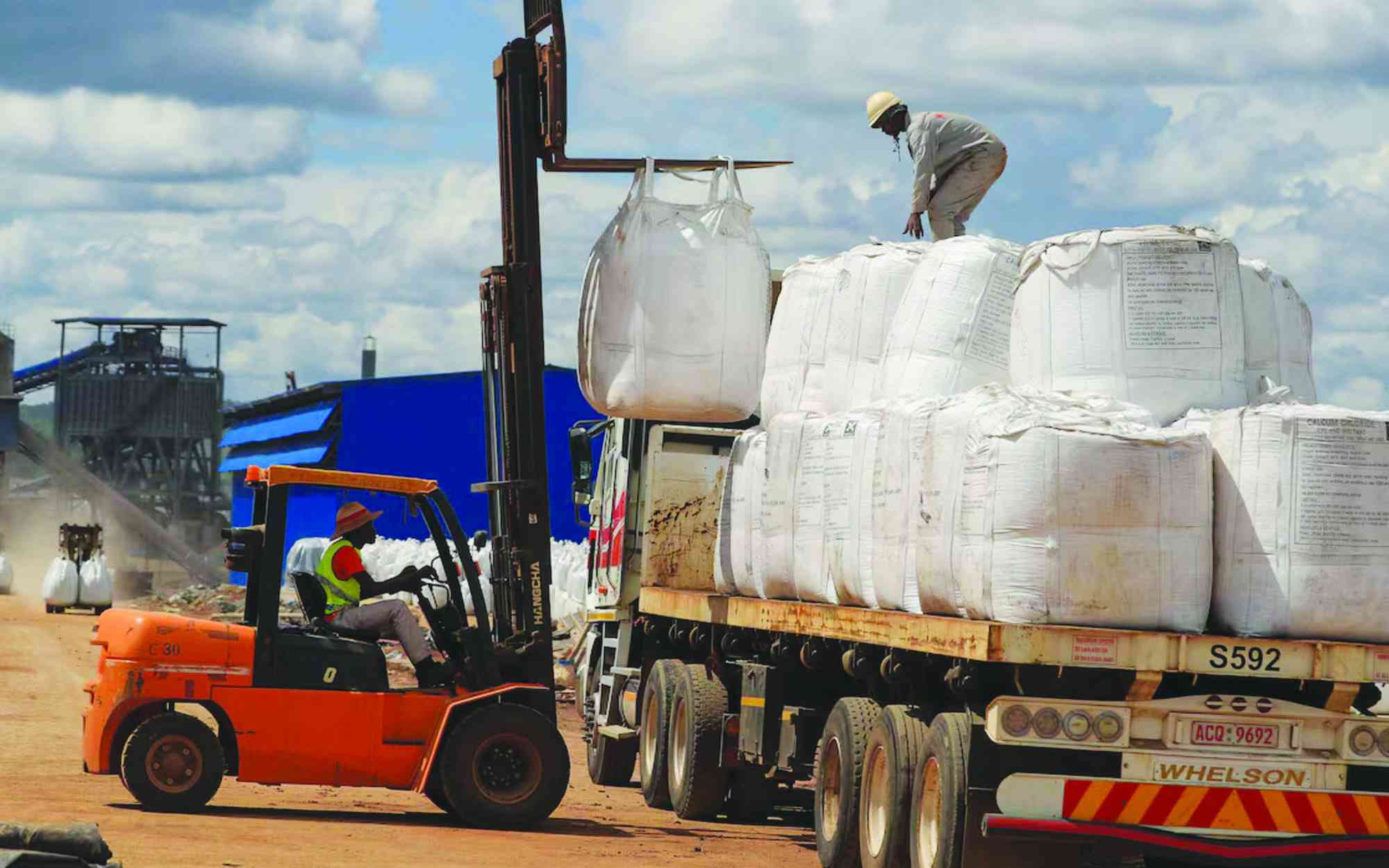
The manufacturing and mining sectors could also benefit from AI-driven innovation. Automated systems can improve operational efficiency, reduce production costs and increase workplace safety. In mining, AI technologies can assist in geological mapping, resource exploration and predictive maintenance of machinery. Zimbabwe’s industrial sector, which has struggled with declining productivity over the years, may find renewed competitiveness through strategic technological modernisation.
AI in finance and business
Zimbabwe’s financial sector has already demonstrated resilience and adaptability through digital banking and mobile money innovations. Artificial Intelligence can further strengthen the banking and finance industry by improving fraud detection, customer service and financial management systems. Globally, banks are increasingly using AI-powered chatbots, predictive analytics and automated credit assessment systems to improve efficiency and customer experiences.
For Zimbabwe, AI can also contribute to financial inclusion. Many small businesses and informal traders often struggle to access traditional financial services due to limited credit histories or lack of collateral. AI-driven financial systems can analyse alternative forms of data to assess creditworthiness, potentially increasing access to loans and financial opportunities for entrepreneurs and small enterprises.
The growth of digital entrepreneurship also presents new economic possibilities for Zimbabwe’s youthful population. Across the country, young innovators are increasingly developing technology-based solutions to address social and economic challenges.
With adequate support, innovation hubs and startup ecosystems could become important drivers of job creation and industrial growth.
Artificial Intelligence therefore has the potential not only to improve existing industries but also to create entirely new economic sectors and employment opportunities.
Human capital development
As Artificial Intelligence continues to reshape the global economy, education and skills development become increasingly important. The future labour market will require workers who possess digital literacy, analytical thinking and technological competence. Zimbabwe’s education system must therefore evolve to prepare students for the demands of the Fourth Industrial Revolution.
Universities and tertiary institutions have a critical role to play in promoting research and innovation in fields such as data science, machine learning and information technology.
Schools and colleges should also strengthen ICT education to ensure that students acquire relevant digital skills from an early stage. Investment in STEM education — Science, Technology, Engineering and Mathematics — will be essential in preparing Zimbabwe’s workforce for a technology-driven future.
Beyond technical skills, Artificial Intelligence also creates opportunities for educational innovation. AI-powered learning platforms can improve access to quality education, particularly in remote and underserved communities.
Virtual learning technologies, digital libraries and intelligent tutoring systems can support more inclusive and flexible educational models.
In a country where access to educational resources remains uneven, technology can help bridge existing gaps and improve learning outcomes.
Challenges , risks of AI
Despite its potential benefits, the adoption of Artificial Intelligence also presents several challenges that Zimbabwe must address carefully.
One of the most significant obstacles is the country’s digital infrastructure deficit. Reliable electricity supply, internet connectivity and modern ICT systems remain inconsistent in many parts of the country, particularly in rural areas.
Without substantial investment in infrastructure, the benefits of AI may remain concentrated in urban centres, thereby increasing social and economic inequality.
There are also concerns regarding employment and automation. Around the world, AI technologies are changing the nature of work by automating repetitive tasks and reducing demand for certain categories of labour.
In Zimbabwe, where unemployment levels are already high, fears of job displacement may create resistance to technological transformation.
Policymakers must therefore ensure that technological progress is accompanied by skills development programmes and employment transition strategies that prepare workers for new economic realities.
To Page 15