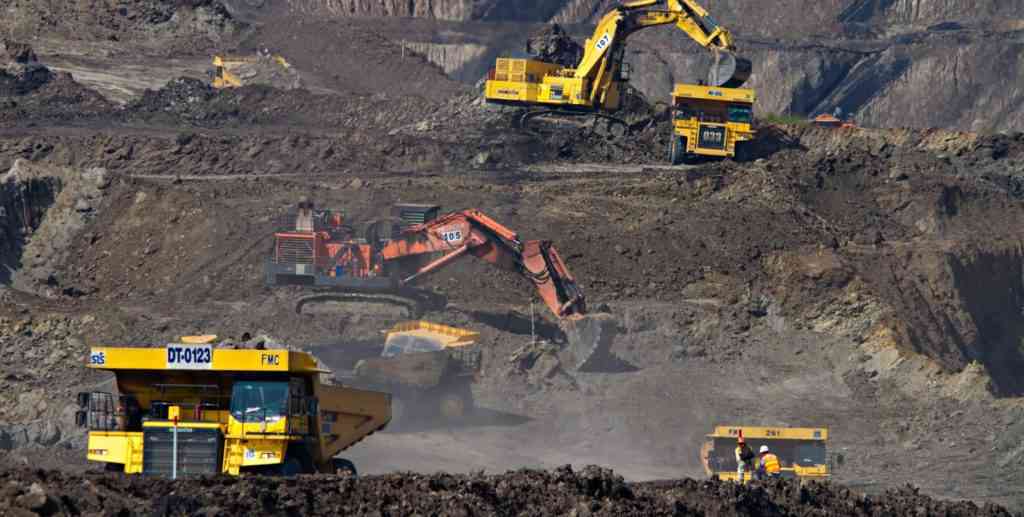
MINING is one of the biggest contributors to Zimbabwe’s gross domestic product and without doubt the country’s biggest foreign currency earner, especially gold mining. However, behind this glitter lie countless compliance and sustainability questions.
While the country’s obtaining mining regulations are in place, there are various compliance issues in the extractive sector and this has tainted the whole economic sub-sector.
It is in the public domain that small-scale miners have surpassed large-scale mining companies in terms of deliveries to Fidelity Printers and Refiners, contributing over 70% of deliveries.
Minerals are a finite resource. We are talking about the gold, diamonds, platinum, lithium and chrome, among others, and will one day run out.
This already invites self-introspection. Mining operations should remain sustainable, but at the prevailing rate, are the current operations sustainable?
Firm regulations must be put in place and their enforcement remain critical if mining operations are to remain sustainable. It appears regulations are weak and their enforcement is hardly visible as reflected by repeat offenders.
Despite the government outlawing riverbed alluvial mining, there have been several violations that have been reported across the country.
Alluvial mining is known to have far-reaching consequences on the environment. The case of Mutare River in Manicaland province remains a stark reminder of the impacts of alluvial mining.
- FC Platinum reach Chibuku Cup last eight
- Hebrew Scriptures: The best way to stop suicide
- Mpofu plots DeMbare downfall
- Inside sport: The right way to do it
Keep Reading
A Chinese miner who is believed to have been using heavy machinery reportedly fled into nearby mountains on being raided. The miner was allegedly involved in alluvial gold mining, in violation of SI 188 of 2024. This is not an isolated case as several similar violations have been reported across the country.
This is despite official calls for the respect of Zimbabwe’s laws and importance of working in harmony with local communities. Poisoning of river water is inevitable as chemicals such as cyanide and mercury are often used, in the process polluting the rivers and posing danger to both human and animal life downstream of the mining sites. At times, heavy equipment has reportedly been used. This would not have been so rampant had regulations been enforced.
Various claims have accompanied these operations. The politically-connected are usually untouchable, while the well-heeled reportedly pay their way through.
In the Makaha area of Mutoko, serious environmental degradation has been reported, resulting from unregulated artisanal and commercial mining activities that have led to river siltation, as well as soil and water pollution.
Often, abandoned open-pit mines and heavily deforested environs have been obvious results of continued extraction activities, while the land itself is also no longer fit for agricultural activities.
Despite the government and state actors such as EMA’s attempts to stop destructive operations, there have been pushbacks where confrontations with politically-connected miners were reported.
This has made land reclamation and formalisation difficult, owing to the magnitude of informal mining which makes compliance enforcement and environmental restoration in the Makaha and other areas a real challenge.
Existing laws should not be applied in isolation. The new environmental management Act, which seeks to empower EMA, should also be applied to all mining areas without any exceptions.
Mining has become so dangerous to society and the need for stricter regulation and enforcement of the same can no longer be optional. It should be mandatory.
Wildlife has been dying due to contaminated water. The deep holes are abandoned throughout the country, placing humans and animals in great danger.
There is always fighting over mining claims, at times resulting in deaths. We frequently hear of the use of dangerous weapons such as machetes in these wars over gold claims. From an economic point of view, mining has the potential to stimulate and sustain industrial growth. Industries are expected to benefit, with visible benefits being recorded in skills retention, training and employment creation, especially for the host communities.
Currently, host villagers usually do not get jobs in their own habitat. Where people have attempted to bring these issues to the attention of the government, there have often been instances of name-dropping and intimidation.
In Shurugwi, rampant open-cast and artisanal mining activities have not only left scars on the land but have also led to the shrinking of wetlands, air and noise pollution. Injuries were reported at a primary school in Kwekwe after a classroom caved in as a result of mining operations underneath.
Such levels of impunity in mining operations can not be allowed to continue. The law must be followed without any exception. When people, whether Zimbabweans or foreign nationals, are left plundering the country, nothing will be left for future generations.
It only means we must be ready to accept the blame these generations are going to level against us for plundering the country’s resources with reckless abandon.
Wilson is the founder and leader of the Democratic Official Party.