AS the world embarks on a new year, the theme of the upcoming Davos 2026 conference, “A spirit of dialogue”, could not be more relevant.
The event aims to rebuild trust and navigate the complexities of technological, ecological and geopolitical transitions.
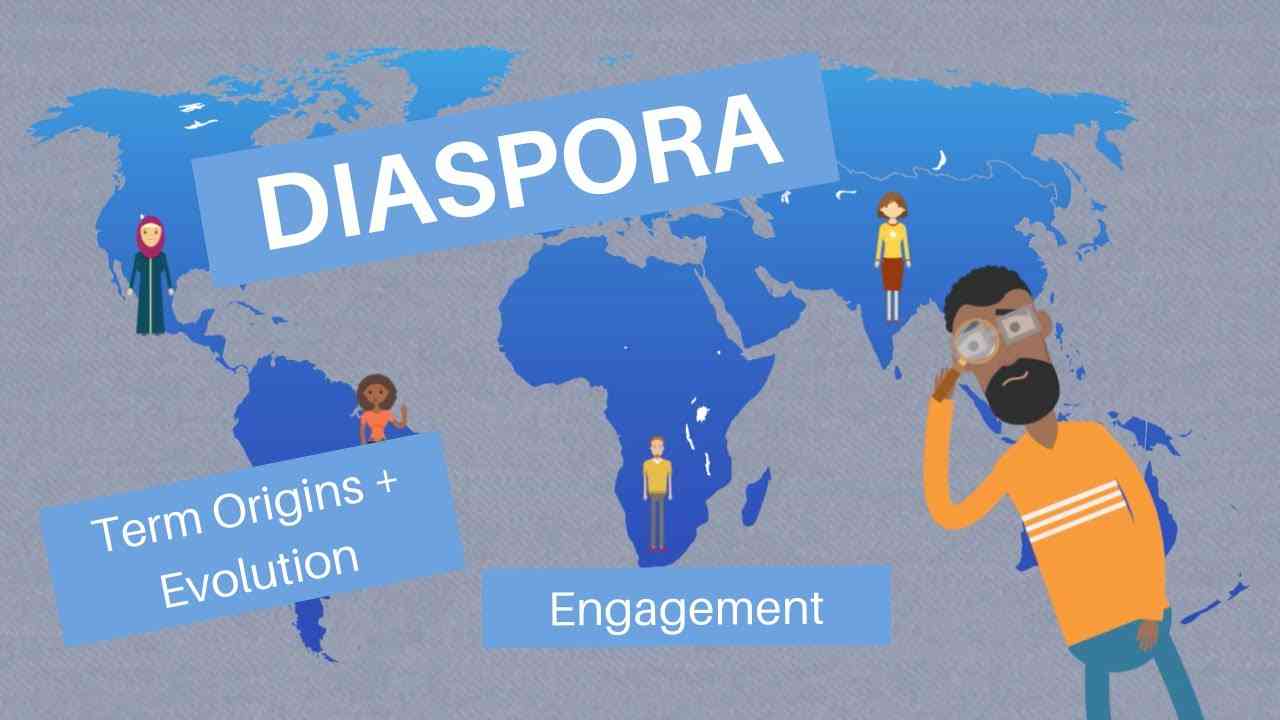
Amidst this backdrop, a group of unsung heroes has been quietly making waves in the global economy: diaspora entrepreneurs.
Specifically, the Zimbabwe diaspora has been playing a vital role in bridging economic gaps and fostering cooperation between nations.
For years, diaspora communities have been recognised as essential sources of remittances, providing a safety net for families and communities back home.
However, their contributions extend far beyond financial support. They are innovators, entrepreneurs and builders of cooperation, connecting markets, and financing innovation in ways that traditional institutions often cannot.
Furthermore, diaspora networks maintain trusted relationships across regions, bridging the divides created by geopolitical tensions.
Their products and services are often context-sensitive and grounded in local realities, making them more inclusive and effective.
- Brilliance of Hope: Echoing voices from Diaspora
- Amplified Silence earns Masapa global accolade
- No Roki, Koffie Chidzoka remix
- Brilliance of Hope: Echoing voices from Diaspora
Keep Reading
In the case of Zimbabwe, the diaspora community has been instrumental in driving economic growth and innovation.
From within the country to global hubs, highly skilled members of the Zimbabwe diaspora are building companies that operate across borders, linking markets and financing innovation.
Their contributions tend to fall outside of national innovation strategies, yet their influence is growing rapidly.
Moreover, diaspora networks continue to provide capital, knowledge and market access during times like now when global aid is dwindling and traditional systems are slowing down.
The economic role of diasporas is not new, but their potential as builders of cooperation is more pressing than ever. As fragmentation becomes the norm, diaspora entrepreneurs are stepping up to fill the gaps.
They are building solutions in climate tech, agritech, digital health, hydrogen and education technology — sectors where global investment remains far below future needs.
Diaspora networks maintain trusted relationships across regions, bridging the divides created by geopolitical tensions. Their products and services are often context-sensitive and grounded in local realities, making them more inclusive and effective.
Moreover, diaspora networks continue to provide capital, knowledge and market access during times of crisis, when traditional systems may slow down or become unable to respond.
Despite their significant impact, diaspora innovators often operate without formal recognition. Their contributions remain scattered across sectors and countries, lacking visibility and legitimacy.
National strategies still tend to view diasporas primarily as sources of remittances, rather than as drivers of innovation and entrepreneurship.
To unlock the full potential of diaspora entrepreneurs, the global community must take action. Creating structured platforms for diaspora engagement in policy-making, innovation programmes, and technical cooperation is essential.
Facilitating diaspora-backed investment by reducing regulatory barriers and establishing public-private vehicles that support venture creation can also help.
Investing in data and research on diaspora entrepreneurship is crucial to inform evidence-based policy and unlock opportunities for collaboration.
Acknowledging the contributions of diaspora innovators, the global community can tap into their expertise and build a more resilient and connected economy.
Zimbabwe, in particular, can benefit from the economic safety nets provided by its diaspora community. The country’s struggling economy has been a major concern for years, with many citizens relying on remittances from abroad to make ends meet.
However, the diaspora community's role in building livelihoods and driving entrepreneurship can help mitigate the effects of economic instability.
As the world transitions from 2025 to 2026, the Zimbabwe diaspora is poised to play an increasingly important role in shaping the country's economic future.
Recognising the potential of diaspora entrepreneurs and providing them with the necessary support and resources, Zimbabwe can unlock new sources of growth, build more inclusive innovation and foster resilience during times of crisis.
The global economic shift towards a more interconnected and interdependent world requires a new approach to cooperation and collaboration.
The Zimbabwe diaspora has been transcending economic boundaries, moving from providing safety nets to building livelihoods.
Their contributions to entrepreneurship, innovation and cooperation are vital to the country’s economic growth and stability.
As the global community looks to the future, it is essential to recognise the potential of diaspora entrepreneurs and provide them with the necessary support and resources to unlock their full potential.
Social safety nets,
The Zimbabwe diaspora’s role in providing social safety nets has been well-documented. Remittances from abroad have been a lifeline for many families and communities, helping them to cope with the country’s struggling economy.
However, the diaspora community’s impact extends far beyond financial support. They are also driving entrepreneurship, innovation and livelihoods, helping to build a more sustainable and resilient economy.
The Zimbabwe diaspora’s impact on livelihoods has also been significant. Providing access to education, training and job opportunities, they have helped to empower individuals and communities.
This, in turn, has helped to reduce poverty and inequality, promoting more inclusive economic growth.
Entrepreneurship has been a key area of focus for the Zimbabwe diaspora. Many entrepreneurs have started businesses that operate across borders, linking markets and financing innovation.
These businesses have created jobs, stimulated economic growth, and helped to build a more diversified economy.
Despite the Zimbabwe diaspora’s significant contributions, there are still challenges to be addressed. The country’s struggling economy, poor infrastructure and limited access to finance and markets can make it difficult for entrepreneurs to succeed.
However, there are also opportunities for growth and development. The Zimbabwe diaspora’s global connections and networks can help to attract investment, promote trade and stimulate innovation.
Leveraging these connections, the country can build a more competitive and resilient economy.
To unlock the full potential of the Zimbabwe diaspora, the government, private sector and civil society must work together. This includes creating an enabling environment for entrepreneurship, providing access to finance and markets, and promoting innovation and technology.
It also requires recognising the diaspora community's contributions and providing them with the necessary support and resources.
This includes creating structured platforms for diaspora engagement, facilitating diaspora-backed investment and in data and research on diaspora entrepreneurship is crucial to inform evidence-based policy and unlock opportunities for collaboration.
Working together and leveraging the Zimbabwe diaspora’s global connections and networks, the country can build a more prosperous, resilient and connected economy. The time to act is now, and the potential rewards are significant.
In the context of the global economic shift, the Zimbabwe diaspora’s role in building livelihoods and driving entrepreneurship is more important than ever.
As the world navigates the complexities of technological, ecological and geopolitical transitions, the diaspora community’s contributions can help to promote more inclusive economic growth, build resilience and foster cooperation.
The target audience for this message is local residents, who can benefit from the Zimbabwe diaspora's economic safety nets and livelihoods.
Recognising the potential of diaspora entrepreneurs and providing them with the necessary support and resources, the country can unlock new sources of growth, build more inclusive innovation and foster resilience during times of crisis.
Ultimately, the Zimbabwe diaspora has been transcending economic boundaries, moving from providing safety nets to building livelihoods and their contributions to entrepreneurship, innovation, and cooperation are vital to the country's economic growth and stability.
Nyawo is development practitioner, writer and public speaker. These weekly New Perspectives articles published in the Zimbabwe Independent are coordinated by Lovemore Kadenge, an independent consultant, managing consultant of Zawale Consultants (Private) Limited, past president of the Zimbabwe Economics Society (ZES) and past president of the Chartered Governance & Accountancy in Zimbabwe (CGI). Email - [email protected] or Mobile +263 772 382 852