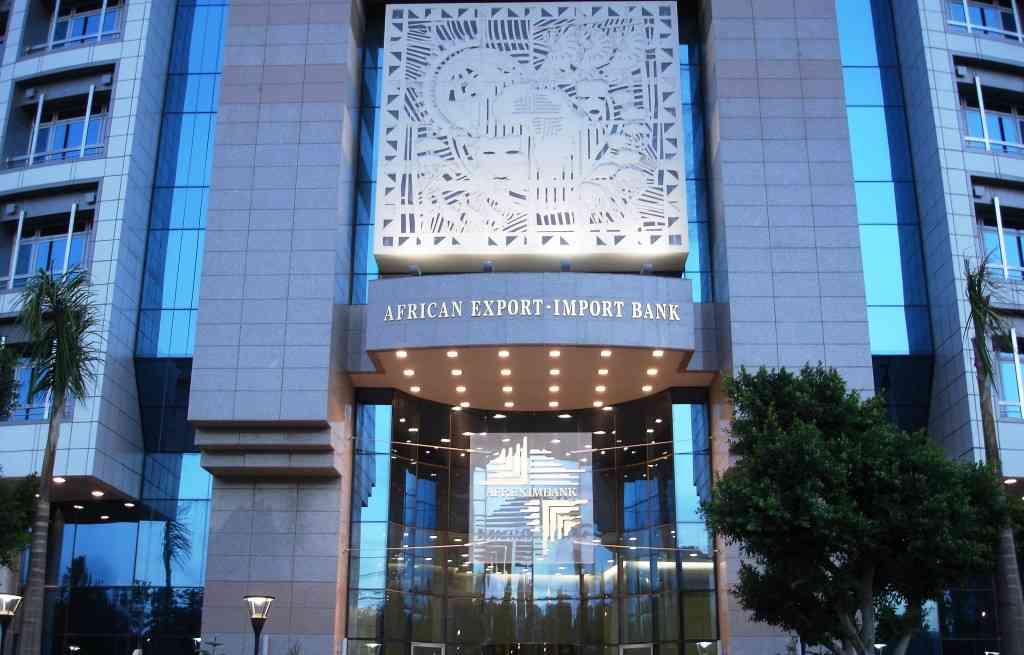
AFRICAN Export-Import Bank (Afreximbank) has approved a US$10 billion emergency facility to shield African and Caribbean economies from the deepening fallout of the Middle East conflict, as global shocks threaten trade, investment and growth.
The lender this week unveiled its Gulf Crisis Response Programme (GCRP), a sweeping intervention aimed at insulating economies, financial institutions and corporates from the widening disruption triggered by the crisis, which escalated on February 28, 2026.
The conflict has sent tremors through global markets, with African and Caribbean nations — heavily exposed to imported fuel, fertiliser and food — among the hardest hit.
“This crisis response programme is in tune with our DNA. We understand how our economies work and the pain points associated with these transitory crises,” said George Elombi, president and chairman of the Board of Directors at Afreximbank, in a statement Tuesday.
“The programme will support African countries in adjusting smoothly to the crisis while strengthening their resilience to future shocks through interventions that transform the structure of their economies. I commend the Board of Directors of Afreximbank for their proactivity and fortitude in approving this intervention programme.”
The Gulf region’s central role in global oil, liquefied natural gas and fertiliser supplies — coupled with the strategic importance of the Strait of Hormuz — has amplified the shock, disrupting supply chains and driving up costs. Countries reliant on key shipping corridors, as well as those dependent on tourism, remittances and foreign investment, are facing mounting pressure.
Afreximbank said the GCRP would provide critical short-term foreign exchange and liquidity support to help member states sustain essential imports, including fuel, LNG, food, fertiliser and pharmaceuticals.
“It further aims to empower African energy and minerals exporters to capitalise on elevated prices and rerouted trade flows, by scaling productive capacity in strategic commodities, through pre-export finance, working capital, and inventory financing,” the bank said.
- MIHR petitions govt on Lubimbi relocations
- ‘Timely IMF boost saved Zim’
- In Full: Twelfth post-cabinet press briefing: May 10, 2022
- Blocked funds choke NMB
Keep Reading
“Additionally, it provides short term relief to African and Caribbean member states whose tourism and aviation industries have been adversely impacted by the crisis.”
Beyond immediate relief, the programme is structured to strengthen medium- to long-term resilience by expanding production capacity in energy and minerals, while accelerating delayed infrastructure projects in energy, ports and logistics.
The initiative builds on Afreximbank’s track record of crisis response, following interventions during the 2015/16 commodity slump, the COVID-19 pandemic and the Ukraine conflict. Notably, the bank’s US$4 billion Ukraine Crisis Adjustment Trade Financing Programme disbursed US$39 billion to help African economies plug liquidity gaps and secure essential imports.
Through the GCRP, Afreximbank has already begun working with banks and corporates to secure fuel, energy supplies, fertiliser and food imports disrupted by the prolonged conflict.
It will also coordinate a broader regional response with institutions including the United Nations Economic Commission for Africa, the African Union Commission, the African Continental Free Trade Area Secretariat and the Caribbean Community Secretariat to bolster energy security, trade resilience and supply chain diversification.