

Mushshak is an Urdu (official Pakistan national language) word which translates to proficient.
Premium
Zim mulls categorising black market as money laundering

Several suspected illegal foreign currency traders were arrested in Harare’s central business district this week.
By Tafadzwa Mhlanga
18h ago


Premium
Zim secures multi-million dollar jet deal
Mushshak is an Urdu (official Pakistan national language) word which translates to proficient.
By Tinashe Kairiza
18h ago
Rest, good sleep contribute to better health, happiness
By Admin
Feb. 17, 2023
Everyone eligible is encouraged to donate blood, help save lives
By The Independent
Jun. 10, 2022


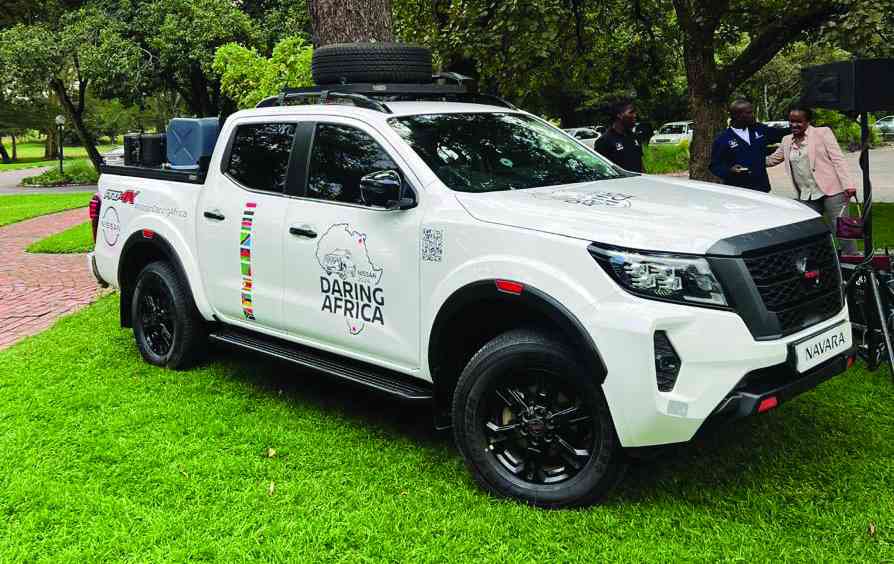

ICT minister lauds Econet’s stand at the ZITF
By Donald Nyandoro
Apr. 25, 2024

Hope for lifting ban on OM, PPC chips
By The Independent
Aug. 26, 2022

Without planes, AirZim board won’t perform wonders
By The Independent
Aug. 5, 2022

Power crisis needs urgent attention
By The Independent
Jul. 29, 2022
Don’t print cash for projects
By The Independent
Jul. 22, 2022

By NewsDay
Apr. 18, 2024

By NewsDay
Mar. 1, 2024

By NewsDay
Mar. 1, 2024

By NewsDay
Oct. 26, 2023
By NewsDay
Oct. 24, 2023

By NewsDay
Oct. 19, 2023

By NewsDay
Oct. 19, 2023
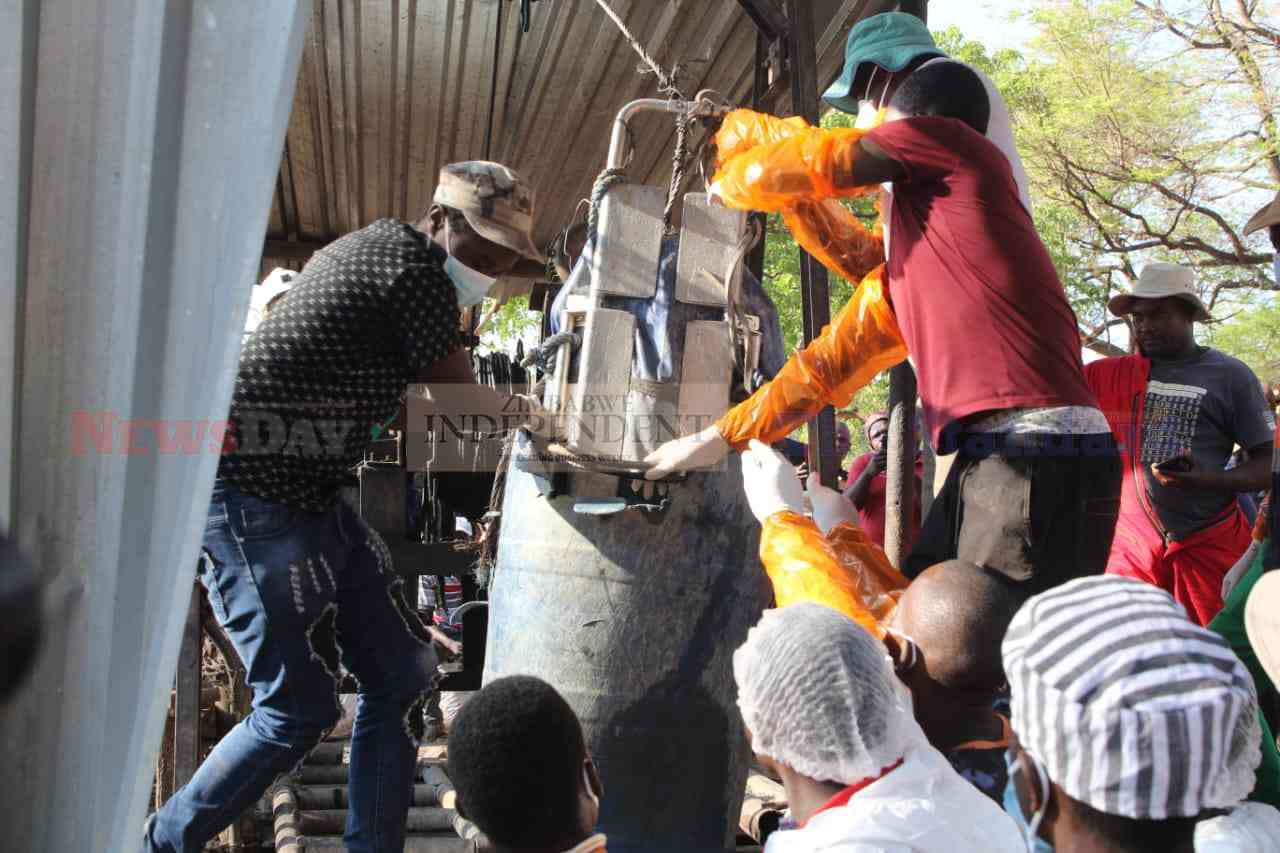
By NewsDay
Oct. 4, 2023

By NewsDay
Oct. 3, 2023

By NewsDay
Oct. 3, 2023

By NewsDay
Sep. 5, 2023

By NewsDay
Aug. 30, 2023
Exploring the vibrant world of sports betting in Ethiopia
While the allure of sports betting is undeniable, it's crucial to approach it with caution and responsibility.
By Theindependent
Mar. 11, 2024

Satewave churns out power solutions for Zim
Satewave Technologies director Xiao Feng said the company has several solar solutions to address the current power challenges.
By Staff Writer
Aug. 15, 2023
Liquid Tech to increase tariffs by 50%
By Staff Writer
Mar. 31, 2023
Jotter: Students develop an integrated learning app
By Staff Writer
Mar. 17, 2023
Innovative crowd-investing app ‘PiggyBankAdvisor’ launched
By Staff Writer
Mar. 17, 2023
Meta gives up on NFTs for Facebook and Instagram
By The Verge
Mar. 15, 2023
Reasons To Buy Bitcoin From A Trading Platform
Another fundamental reason behind getting the coins from this particular space is that it provides
By Theindependent
Mar. 2, 2023
Why do banks not want people to rely upon cryptocurrencies?
Cryptocurrency transaction volume is much less than the fiat currencies, leading to a lack of liquidity in the market.
By Theindependent
Feb. 9, 2023
Premium
Zim football is 200 years behind: Chunga
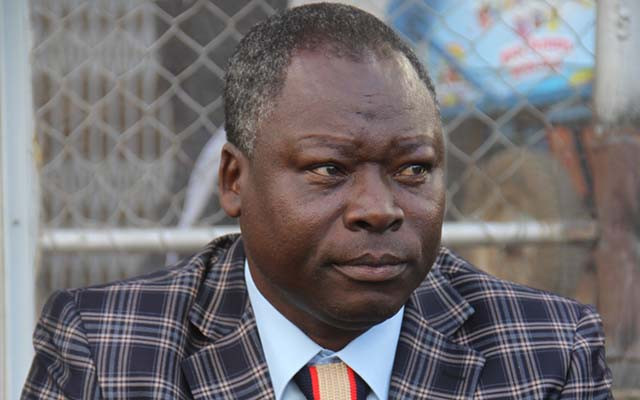
Chunga was speaking during the Chunga Academy week-long holiday coaching programme at Zimbabwe Grounds in Highfield, Harare.
By Sports Reporter
20h ago








International day of jazz: Local concert on the cards
By Khumbulani Muleya
Apr. 19, 2024
Book Review: African decolonisation in Southern Rhodesian Politics, 1950–1963

The book begins by examining how white Rhodesians sought to push-back, delay or prevent African nationalism
By Anotida Chikumbu
Apr. 12, 2024

Moozy captivates audience at homecoming showcase
By Khumbulani Muleya
Apr. 12, 2024

Women take over the stage at Sofar
By Staff Writer
Mar. 28, 2024
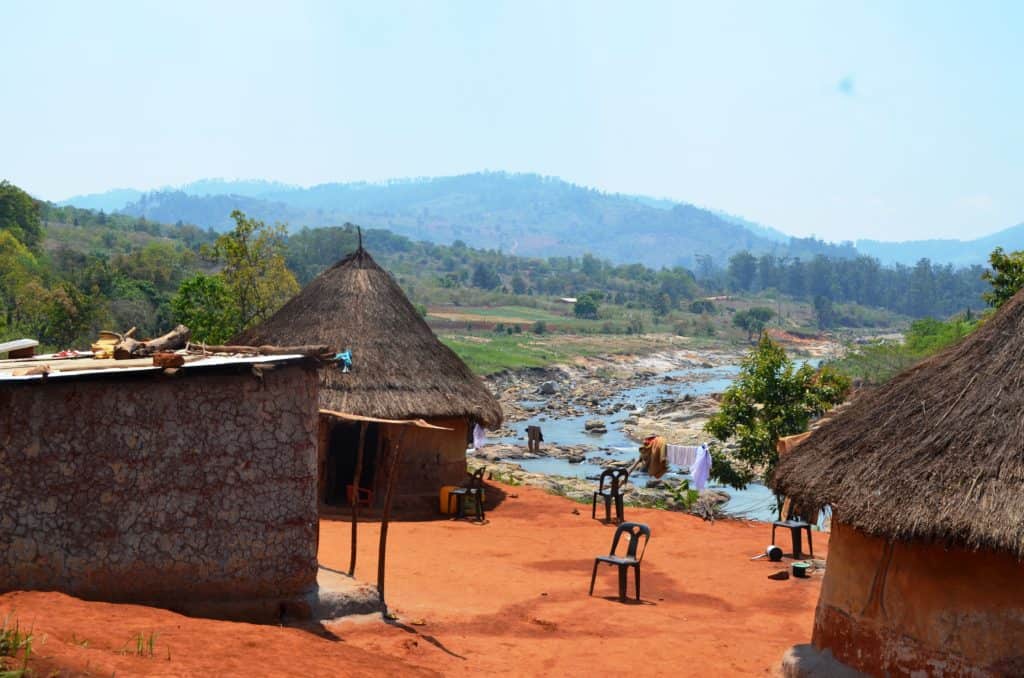
Herbicides: Bad news for local food security
By The Independent
May. 27, 2022
Dumpsite: Gweru feels the heat
By The Independent
May. 13, 2022
Zim to pay 100% of international hunting revenue to communities
By The Independent
Jun. 10, 2022
.
Videos
Pamela Marwisa In Conversation With Trevor
By The NewsDay
Feb. 28, 2024


Job Sikhala, Zimbabwean Opposition Politician In Conversation With Trevor
By The NewsDay
Feb. 28, 2024
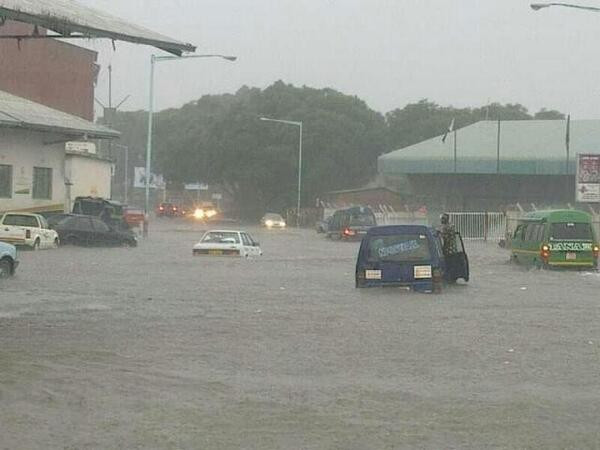
ExtremeWeather: Parts of Harare experienced flash floods on Sunday
By The NewsDay
Dec. 21, 2023

Harare motorists negotiate the city’s treacherous roads
By The NewsDay
Dec. 21, 2023

Solomon Guramatunhu Day 1
By The NewsDay
Dec. 14, 2023

Sengezo Tshabangu - In Conversation With Trevor
By The NewsDay
Dec. 5, 2023
Welcome to Alpha Media Holdings Zimbabwe - NewsDay - The Standard - The Zim Independent
By The NewsDay
Dec. 5, 2023

Dock sheep tail to maintain weight
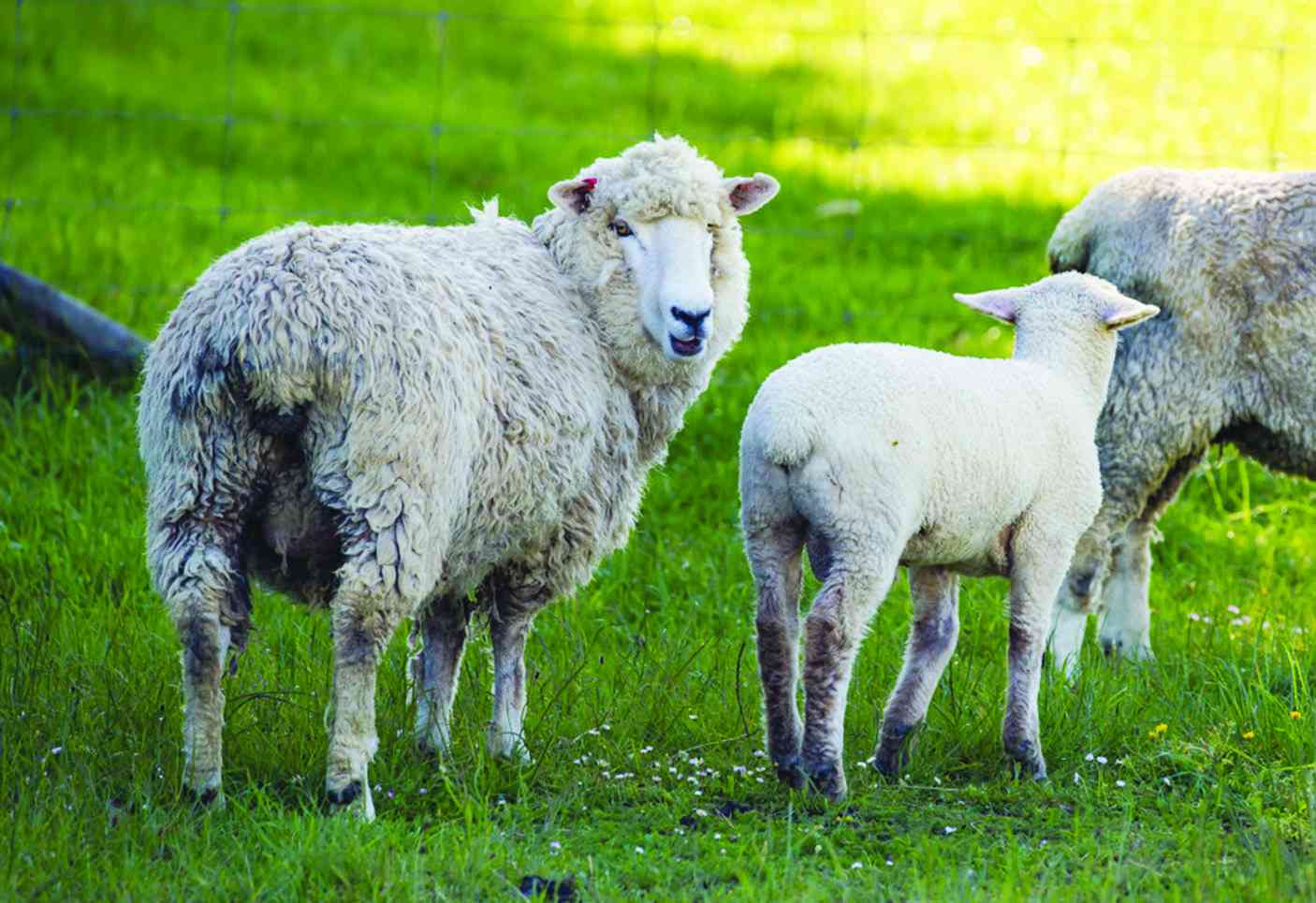
The most common way of docking tails is by using an elastic and expandable latex ring. The rubber ring is expanded with an elastrator and put over the tail, where it is released.
By Kudakwashe Gwabanayi
Mar. 22, 2024
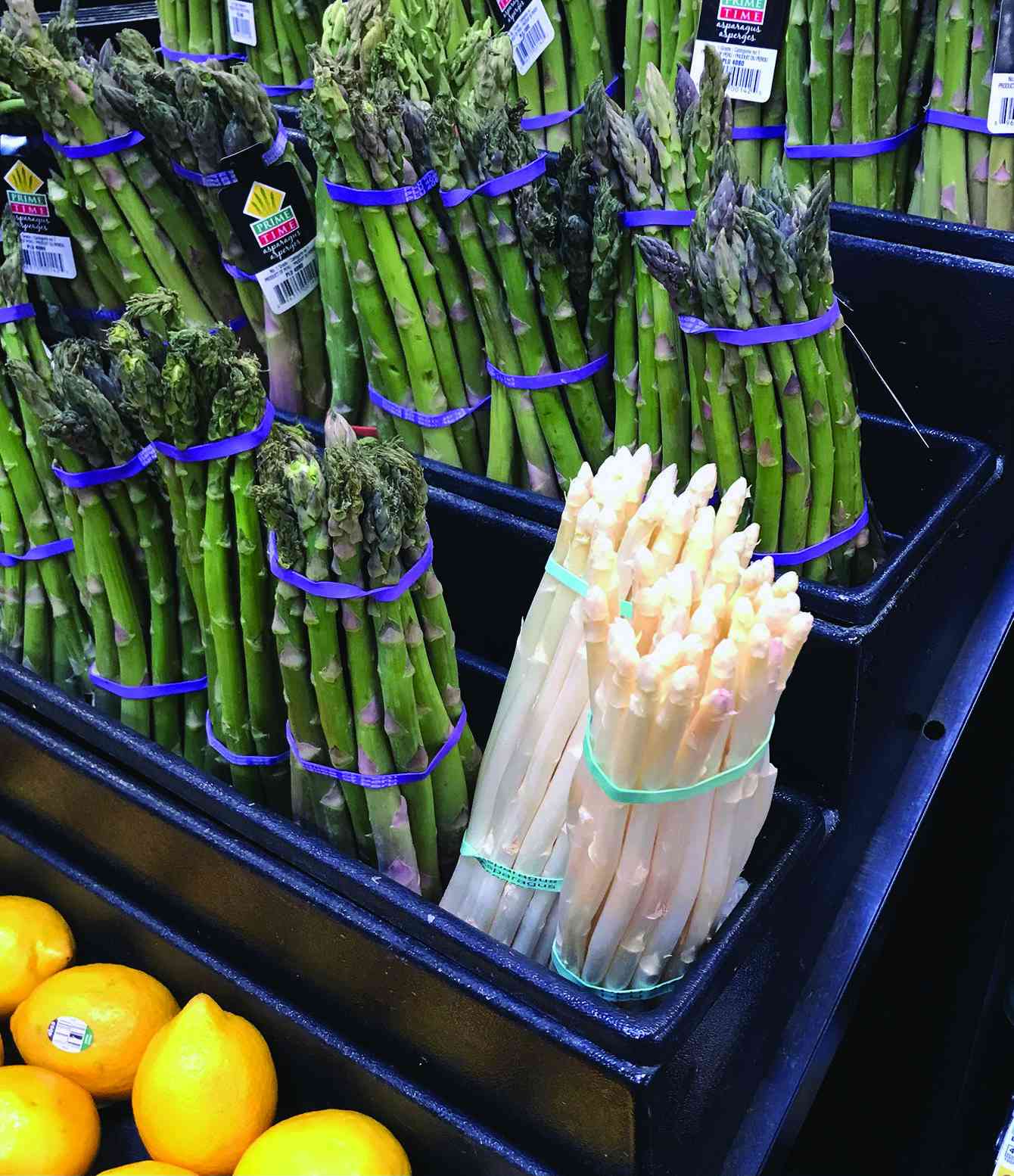
Asparagus worth your while (II)
By Kudakwashe Gwabanayi
Mar. 1, 2024
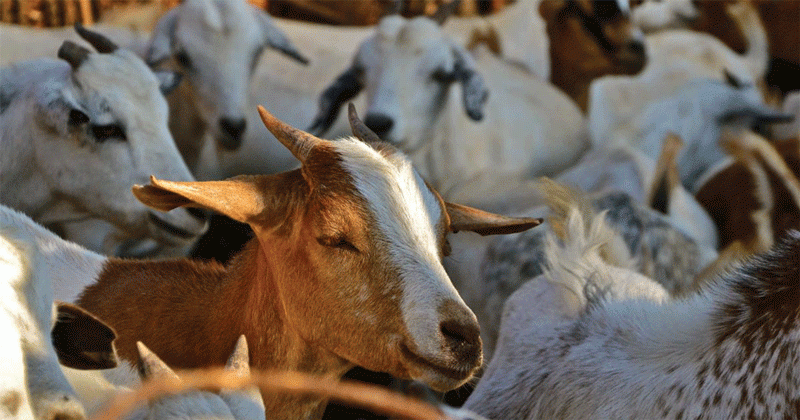
Why it makes sense to farm meat goats
By Shane Brody
Jul. 7, 2023
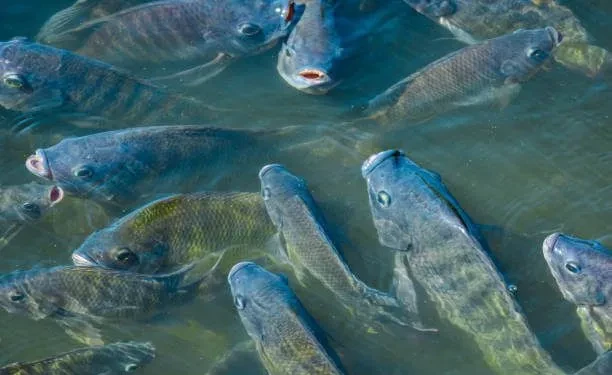
How to start a fish farming business
By Kudakwashe Gwabanayi
May. 26, 2023
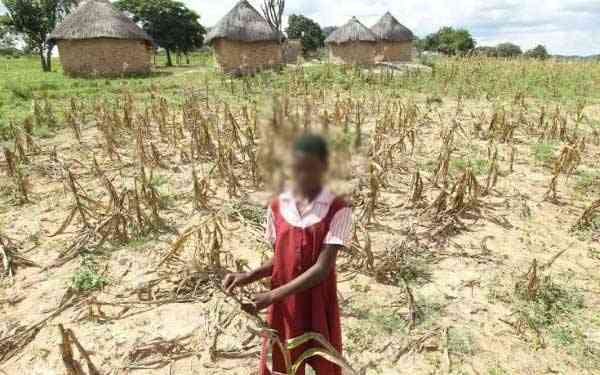
Climate change is real, be alert
By Kudakwashe Gwabanayi
May. 12, 2023
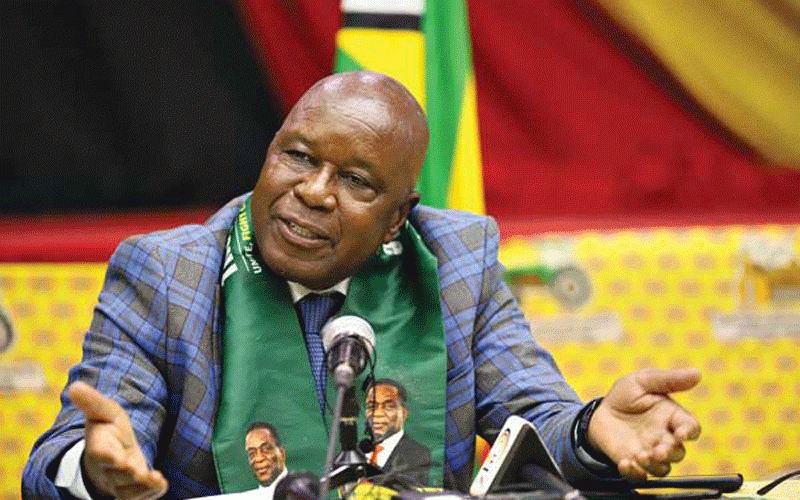

Winky D promises to shutdown Bulawayo
The Vigilance Band and I are prepped to bring the fire. It'll be a night to remember, so don't miss out!"
By Sindiso Dube
14h ago

Prophet lauds Tanzania, Zimbabwe relationship
Madzibaba Jonah usually goes around the continent and Asian countries where he joins other apostolic members in prayer.
By Style Reporter
Apr. 25, 2024
Wash boost for indigenous churches
By Style Reporter
Apr. 24, 2024
Mahachi pays tribute to late SA gospel icon
By Style Reporter
Apr. 23, 2024
Richest Forex Traders in Tanzania
By The Standard
Apr. 22, 2024
Govt mulls creating 10k agro-business unit
Speaking during the project launch, Lands, Agriculture, Fisheries, Water and Rural Development secretary Obert Jiri hailed the school for coming up with the business Unit.
By Innocent Magondo
49m ago
No joy for Beitbridge forex dealers
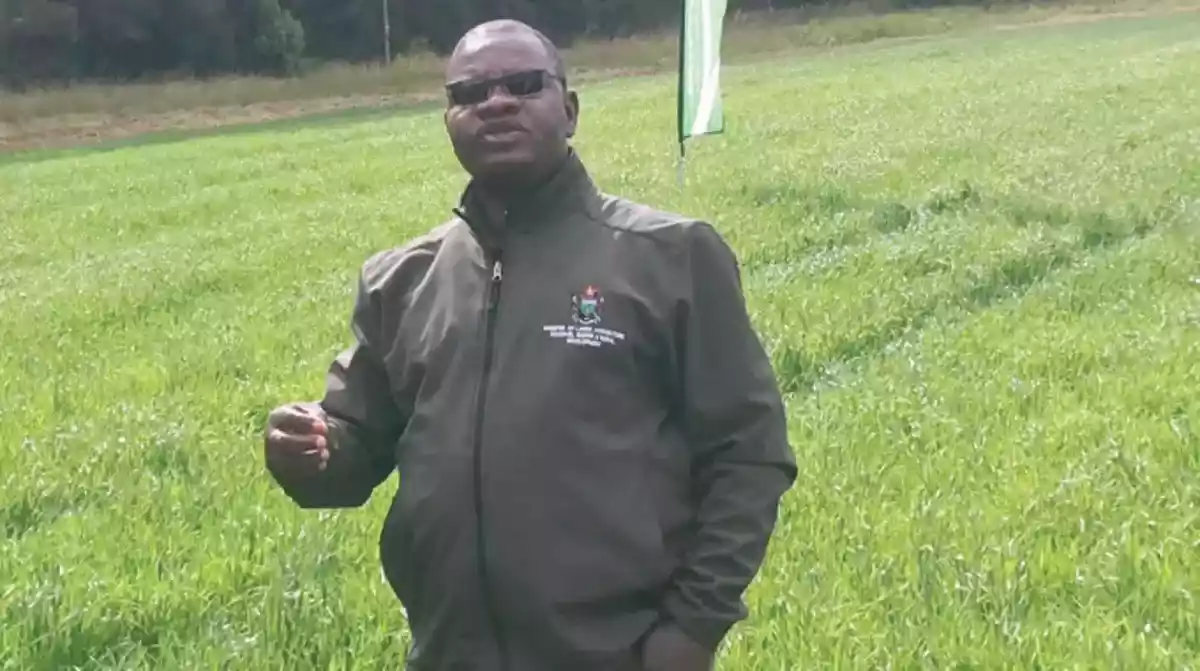
The accused are Phillip Parishi, Lovemore Chivambe, Justice Machisane, Martin Chikuni, Tatenda Muzadzi and Alfred Muchena who are accused of flouting the Foreign Exchange Act.
By Rex Mphisa
55m ago
Kombi driver ‘kidnaps, rapes’ teen
By Jerssie Mpofu
55m ago
Govt gifts Byo with textile manufacturing firm
By Daniel Moyo
Apr. 26, 2024
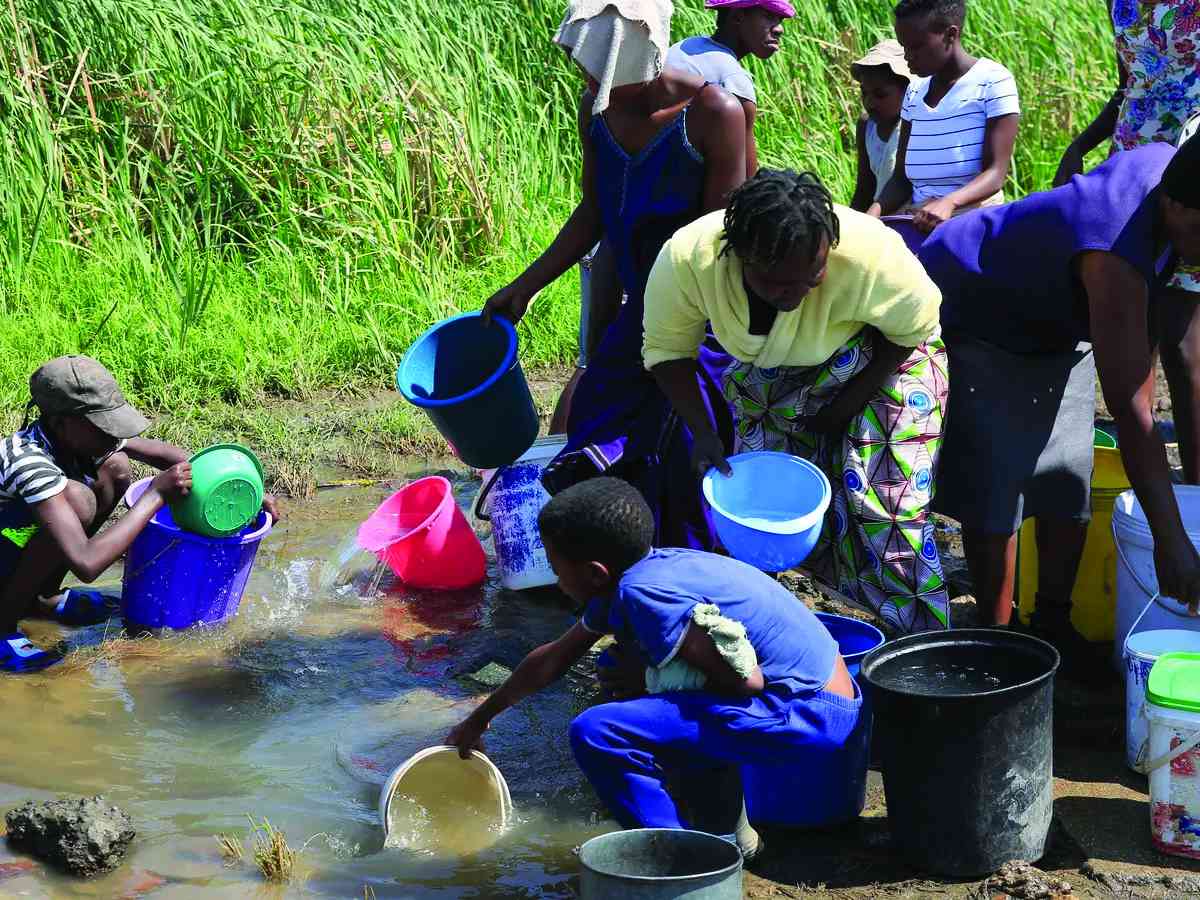
Gwanda water crisis deepens
By Silas Nkala
Apr. 26, 2024
Mystery of ‘haunted’ family endures
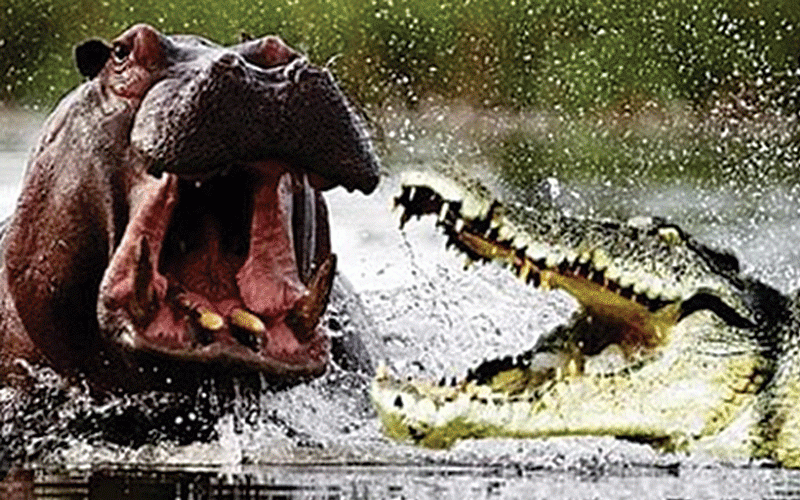
Stranger than fiction, as it may sound, the body of Nyaradzai’s husband was left intact despite the horrible attack and it still remains a mystery how that was even possible.
By Obert Siamilandu
24m ago






GET OUR NEWSLETTER
Subscribe to our newsletter and stay updated on the latest developments and special offers!
SUBSCRIBECONNECT WITH US




SUPPORT INDEPENDENT JOURNALISM

OTHER SITES
