

The ZiG was introduced following the rapid depreciation of the Zimbabwe dollar (ZWL).
‘New currency averted systems crash’

It replaced the Zimbabwe dollar (ZWL), which had to be decommissioned after depreciating rapidly against the US dollar, complicating an already dire economic situation.

Advisory sees hefty spinoffs in RTG deal
By Shame Makoshori
Apr. 19, 2024

Telecoms note sharp investment decline
Business Digest
By Melody Chikono | Apr. 19, 2024



‘Inflation forecast unrealistic’
As such, monthly inflation rates are expected to be well below 1%, while annual inflation is projected to close the year below 5%.
By Mthandazo Nyoni
Apr. 19, 2024



Fair game in Zim, China trade
By Julia Ndlela
Apr. 19, 2024


Rest, good sleep contribute to better health, happiness
By Admin
Feb. 17, 2023
Everyone eligible is encouraged to donate blood, help save lives
By The Independent
Jun. 10, 2022

Lenders, investors face huge losses
By Mthandazo Nyoni
Apr. 19, 2024


Mineral exports further deteriorate
By Melody Chikono
Apr. 19, 2024

Hope for lifting ban on OM, PPC chips
By The Independent
Aug. 26, 2022

Without planes, AirZim board won’t perform wonders
By The Independent
Aug. 5, 2022

Power crisis needs urgent attention
By The Independent
Jul. 29, 2022

Don’t print cash for projects
By The Independent
Jul. 22, 2022

By NewsDay
Apr. 18, 2024

By NewsDay
Mar. 1, 2024

By NewsDay
Mar. 1, 2024

By NewsDay
Oct. 26, 2023

By NewsDay
Oct. 24, 2023

By NewsDay
Oct. 19, 2023

By NewsDay
Oct. 19, 2023

By NewsDay
Oct. 4, 2023

By NewsDay
Oct. 3, 2023

By NewsDay
Oct. 3, 2023

By NewsDay
Sep. 5, 2023

By NewsDay
Aug. 30, 2023
Exploring the vibrant world of sports betting in Ethiopia
While the allure of sports betting is undeniable, it's crucial to approach it with caution and responsibility.
By Theindependent
Mar. 11, 2024

Satewave churns out power solutions for Zim
Satewave Technologies director Xiao Feng said the company has several solar solutions to address the current power challenges.
By Staff Writer
Aug. 15, 2023
Liquid Tech to increase tariffs by 50%
By Staff Writer
Mar. 31, 2023
Jotter: Students develop an integrated learning app
By Staff Writer
Mar. 17, 2023
Innovative crowd-investing app ‘PiggyBankAdvisor’ launched
By Staff Writer
Mar. 17, 2023
Meta gives up on NFTs for Facebook and Instagram
By The Verge
Mar. 15, 2023
Reasons To Buy Bitcoin From A Trading Platform
Another fundamental reason behind getting the coins from this particular space is that it provides
By Theindependent
Mar. 2, 2023
Why do banks not want people to rely upon cryptocurrencies?
Cryptocurrency transaction volume is much less than the fiat currencies, leading to a lack of liquidity in the market.
By Theindependent
Feb. 9, 2023
De Souza banks on speed, agility.

Zimbabwe U20 rugby team head coach, Shaun De Souza is happy with the team’s preparations and looking forward to their tournament opener against Tunisia.
By Austin Karonga
Apr. 19, 2024




By Austin Karonga
Mar. 28, 2024

By Kevin Mapasure
Mar. 28, 2024

By Munyaradzi Madzokere
Mar. 22, 2024

Book Review: African decolonisation in Southern Rhodesian Politics, 1950–1963
By Anotida Chikumbu
Apr. 12, 2024
Moozy captivates audience at homecoming showcase
By Khumbulani Muleya
Apr. 12, 2024
Forbes 30 Under 30 Summit Africa spotlights Zim vegan cuisine

According to forbes.com, featured speakers will include government officials, venture capitalists, CEOs and celebrities.
By Khumbulani Muleya
Apr. 5, 2024
Women take over the stage at Sofar
By Staff Writer
Mar. 28, 2024

Japanese pop culture comes to life in Harare
By Khumbulani Muleya
Mar. 22, 2024
Fawezi wraps up GBV prevention initiative
By Khumbulani Muleya
Mar. 15, 2024

New children’s book a magical adventure
By Khumbulani Muleya
Mar. 15, 2024
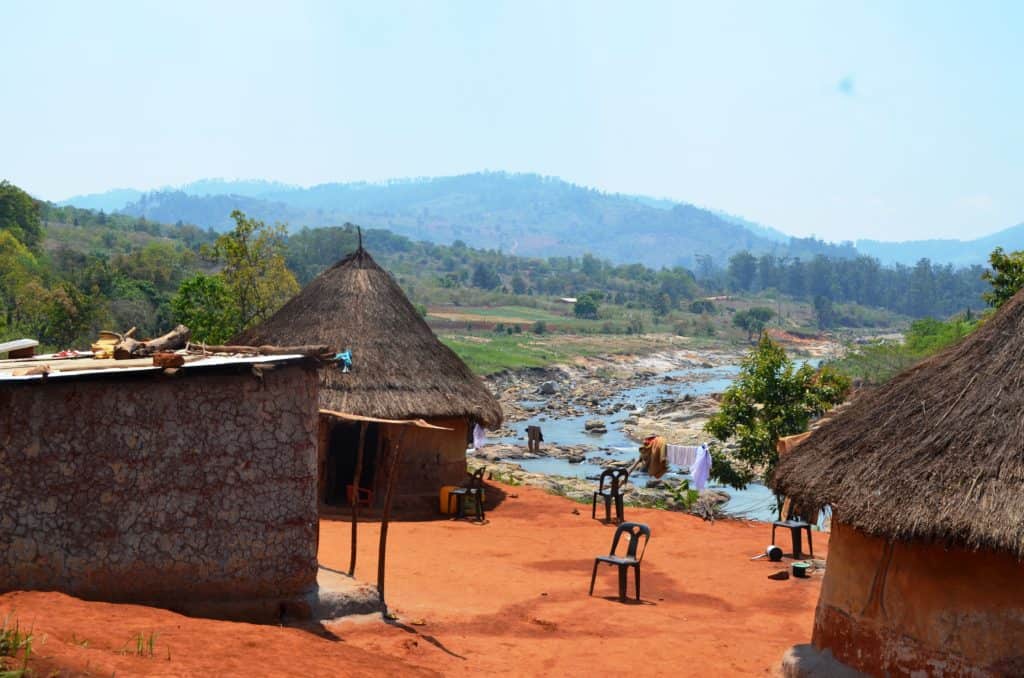
Herbicides: Bad news for local food security
By The Independent
May. 27, 2022
Dumpsite: Gweru feels the heat
By The Independent
May. 13, 2022
Zim to pay 100% of international hunting revenue to communities
By The Independent
Jun. 10, 2022
.
Videos
Pamela Marwisa In Conversation With Trevor
By The NewsDay
Feb. 28, 2024


Job Sikhala, Zimbabwean Opposition Politician In Conversation With Trevor
By The NewsDay
Feb. 28, 2024

ExtremeWeather: Parts of Harare experienced flash floods on Sunday
By The NewsDay
Dec. 21, 2023

Harare motorists negotiate the city’s treacherous roads
By The NewsDay
Dec. 21, 2023

Solomon Guramatunhu Day 1
By The NewsDay
Dec. 14, 2023

Sengezo Tshabangu - In Conversation With Trevor
By The NewsDay
Dec. 5, 2023
Welcome to Alpha Media Holdings Zimbabwe - NewsDay - The Standard - The Zim Independent
By The NewsDay
Dec. 5, 2023

Dock sheep tail to maintain weight
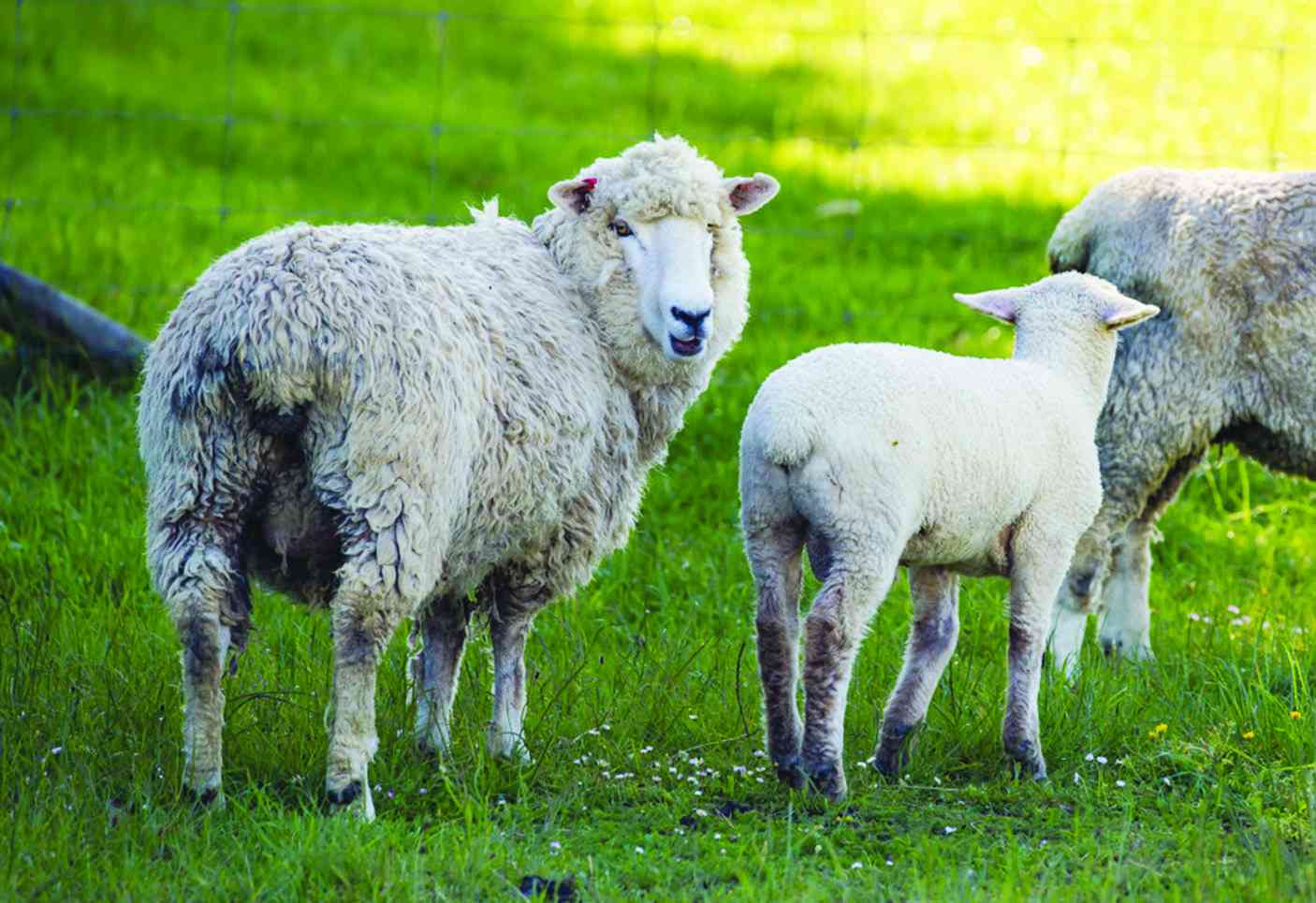
The most common way of docking tails is by using an elastic and expandable latex ring. The rubber ring is expanded with an elastrator and put over the tail, where it is released.
By Kudakwashe Gwabanayi
Mar. 22, 2024

Asparagus worth your while (II)
By Kudakwashe Gwabanayi
Mar. 1, 2024
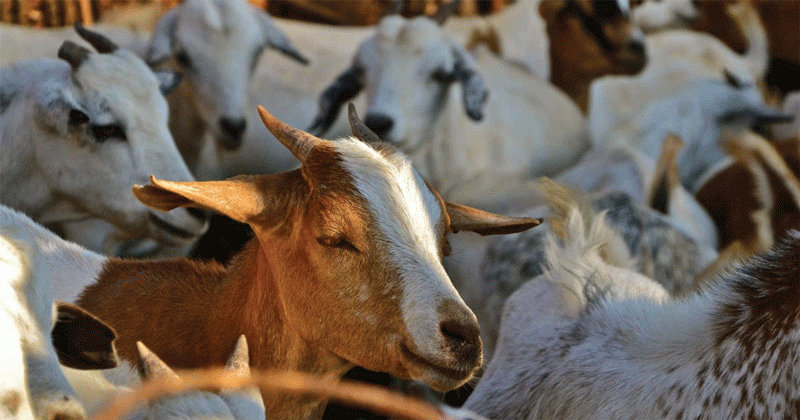
Why it makes sense to farm meat goats
By Shane Brody
Jul. 7, 2023

How to start a fish farming business
By Kudakwashe Gwabanayi
May. 26, 2023

Climate change is real, be alert
By Kudakwashe Gwabanayi
May. 12, 2023





Prophet lauds Tanzania, Zimbabwe relationship
Madzibaba Jonah usually goes around the continent and Asian countries where he joins other apostolic members in prayer.
By Style Reporter
1h ago

Wash boost for indigenous churches
Council for Churches in Africa's founding president Arch-bishop Rocky Moyo said his organisation is engaging indigenous churches so that they conform to the laws of the country.
By Style Reporter
Apr. 24, 2024
Mahachi pays tribute to late SA gospel icon
By Style Reporter
Apr. 23, 2024
Richest Forex Traders in Tanzania
By The Standard
Apr. 22, 2024
We’ll be Zim’s industrial hub again: Coltart
Coltart called on visitors to Zimbabwe’s second largest city to understand its history, people, culture and arts.
By Silas Nkala
16h ago

Binga South MP, minister clash over boreholes
Cumanzala, however, said villagers in the constituency had dismissed the minister’s claims.
By Patricia Sibanda
16h ago
Councillor pleads for waste pickers
By Patricia Sibanda
Apr. 24, 2024
Food vendors overrun Byo streets after hours
By Innocent Magondo
Apr. 24, 2024
SA turns on heat on Zim smugglers
By Rex Mphisa
Apr. 24, 2024
Zim Folk Fusion hosts diverse sounds

According to organisers, the monthly concerts seek to cultivate a vibrant connection with Zimbabwe's rich musical heritage while also using music to celebrate cultural diversity in the community.
By Khumbulani Muleya
5h ago







GET OUR NEWSLETTER
Subscribe to our newsletter and stay updated on the latest developments and special offers!
SUBSCRIBECONNECT WITH US




SUPPORT INDEPENDENT JOURNALISM

OTHER SITES
